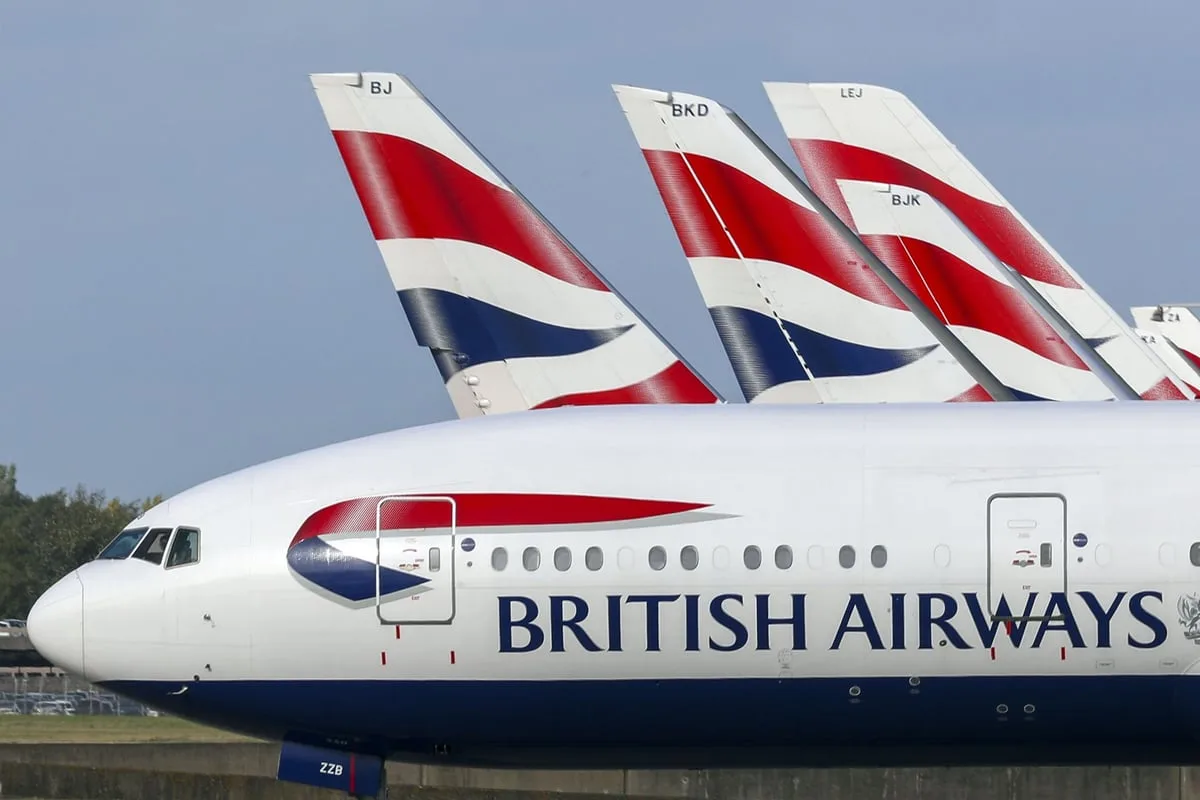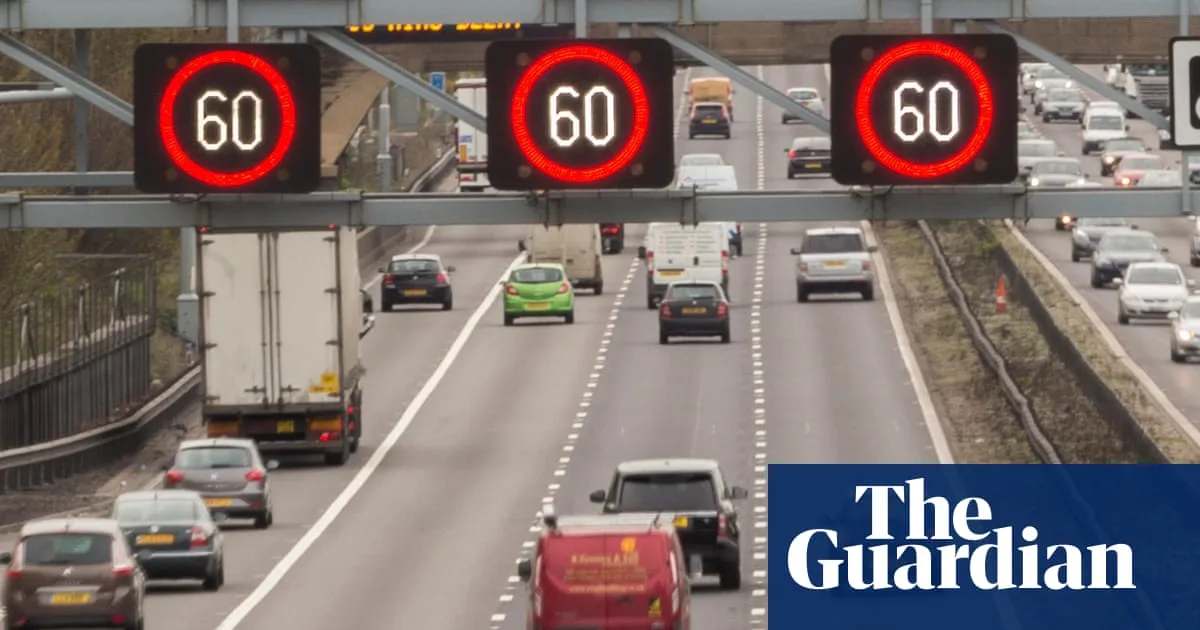
Climate and transport organisations, including Greenpeace and Transport and Environment, are urging the UK government to take pre-emptive measures to avert a looming fuel supply crisis. They call for a ban on private jets, a reduction in the motorway speed limit to 60mph, and a levy on ultra-frequent flyers and short-haul flights that could be replaced by train journeys under six hours.
Doug Parr, chief scientist at Greenpeace UK, said: “Measures like lowering speed limits and banning private jets and short-haul flights would cause minimal inconvenience now and avoid much more painful decisions later on.” The group warns that the UK is particularly exposed to jet fuel shortages amid the US-led war in Iran, which the International Energy Agency head Fatih Birol said could have an impact similar to the oil shocks of the 1970s and the fallout of Russia’s invasion of Ukraine.
Green party leader Zack Polanski backed the ban on private jets, stating: “While ordinary people pay the price, the super rich are simply getting in their private jets at will – wasting huge amounts of jet fuel on unnecessary trips.” A Greenpeace analysis suggests that a ban on private jets, combined with other measures, could save nearly a million tonnes of jet fuel annually, or 8% of the UK’s consumption. Separately, reducing the motorway speed limit by 10mph could save nearly half a million tonnes of fuel.

Anna Krajinska, UK director at Transport and Environment, said the measures are needed to “protect our transport system from these unreliable and geopolitically exposed energy sources”. She added: “The long-term solution is clear, the UK must accelerate the shift to new technologies, from electric vehicles to zero-emission aviation.”
A UK government spokesperson responded: “UK airlines are clear that they are not currently seeing a shortage of jet or road fuel. … While we are not planning to change motorway speed limits, and private aviation accounts for a small proportion of total fuel use, our contingency plans include all options for fuel prioritisation if needed.”