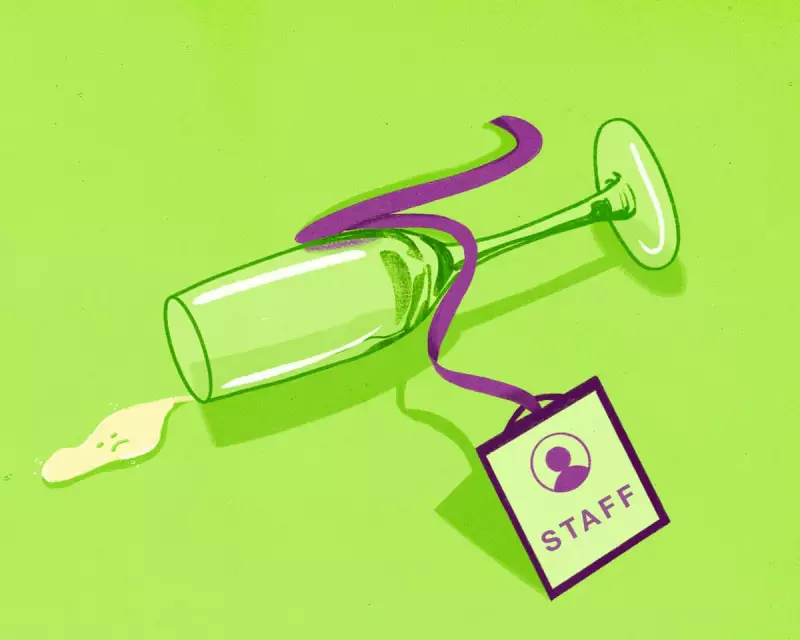
As the festive season descends upon the UK, a familiar sense of dread accompanies the tinsel and mince pies for many employees: the annual office Christmas party. While billed as a perk and a morale booster, a growing number of workers are questioning the compulsory nature of these events, arguing they feel less like a celebration and more like an unpaid extension of the working day.
The Psychosocial Hazard of Forced Festivity
Sunil Badami articulates a sentiment felt in workplaces across the country. "I like a lot of people I work with, but I don't socialise with them for the rest of the year. So why do I have to do it at Christmas?" he asks. This question cuts to the heart of the issue. The party, often held in the office itself or a nearby venue, transforms casual colleagues into an obligatory social circle during a period already packed with personal commitments.
Modern workplaces have become increasingly aware of psychosocial hazards, with laws designed to protect staff from undue stress. However, critics point to the unique strain of the office party. Employees are often required to make awkward small talk with people whose only common ground is the job, all while maintaining a facade of festive cheer in front of managers who are footing the bill. The pressure to appear enthusiastic about work and Key Performance Indicators (KPIs) in a social setting can be immense.

From Open Bar to Open Anxiety
While a catered event with an open bar might seem appealing on paper, the reality is often fraught with anxiety. Attendees feel they must constantly monitor their alcohol intake and conversation, wary of saying the wrong thing in a less formal, yet still professionally connected, environment. This self-policing contradicts the very notion of relaxed celebration. If the goal is to lift morale, many argue it backfires, creating an event that feels like a performative duty rather than genuine fun.
The phenomenon creates a paradoxical hostage situation. Employers often feel obligated to host a party, while employees feel pressured to attend, with both sides frequently watching the clock, eager to leave and finally relax away from work personas.
The Secret Santa Conundrum
Compounding the festive pressure is the office Secret Santa. For many, already stretched thin by shopping for loved ones, the obligation to buy a gift for a distant colleague is a burdensome chore. The anxiety of choosing a suitable present for someone you barely know, coupled with the fear of receiving a thoughtless or embarrassing gift, adds another layer of stress. It raises the question: has anyone ever truly cherished a gift from an office Secret Santa?
Despite these grievances, there remains a strange sense of disappointment when a company decides not to hold a party at all. This highlights the deeply ingrained, yet often resented, tradition of the workplace Christmas celebration.
As a result, a growing chorus suggests an alternative: forgoing the mandatory office party and the dreaded team-building day in favour of allowing staff to leave early. This simple act would grant employees the precious gift of time to celebrate the season in their own way, free from the unspoken rules and pressures of the workplace, at least until the new year resumes.