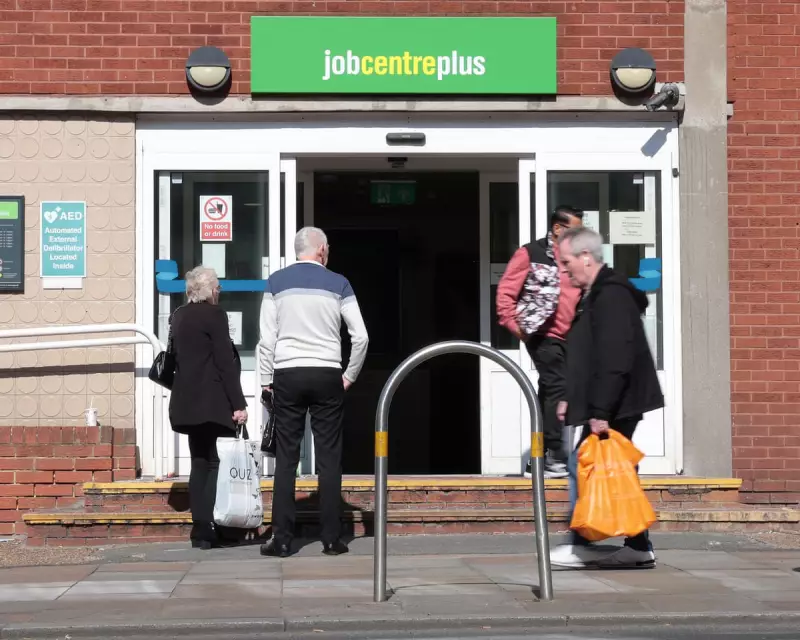
The UK's unemployment rate has climbed to its highest level in four years, reaching 5.1% for the three months leading up to October, according to the latest official figures. This significant rise signals a continued weakening of the labour market in the period before the government's recent budget announcement.
Key Figures Point to a Cooling Labour Market
The data from the Office for National Statistics (ONS) reveals a clear upward trend in joblessness. The rate has been increasing steadily since late 2023, when it stood at 3.9%. By the time of the July 2024 general election, it had risen to 4.2%, before reaching 5% in the three months to September and now hitting the new peak of 5.1%.
Alongside the headline rate, the number of people claiming unemployment-related benefits also increased, suggesting that lay-offs by employers are contributing to the deteriorating picture. In a parallel development, the pace of earnings growth excluding bonuses slowed to 4.6% in October, down from 4.7% the previous month.

Young Workers and Economic Pressures
A recent study by the Resolution Foundation think tank highlights that young people have been disproportionately impacted by the rise in joblessness. Their analysis found that an extra 415,000 people under the age of 26 swelled the unemployment figures between October 2020 and September 2025.
While wages have generally outpaced inflation for much of the past two years, a notable portion of this extra disposable income, particularly among higher earners, has been saved rather than spent. This comes as inflation has shown volatility, increasing from below 2% last year to 3.8% in the summer before easing back to 3.6% in October.
Implications for Monetary Policy and 2026 Outlook
The combination of falling inflation and weak economic growth is expected to influence the Bank of England's next decision. Economists anticipate that policymakers will cut interest rates from the current 4% to 3.75% at their upcoming meeting. Such a move would reduce borrowing costs for households and businesses, potentially helping to limit further increases in unemployment during 2026.
The latest figures, which were in line with forecasts from economists polled by Reuters, underscore the challenges facing the UK economy as it navigates a period of subdued growth and a shifting employment landscape.