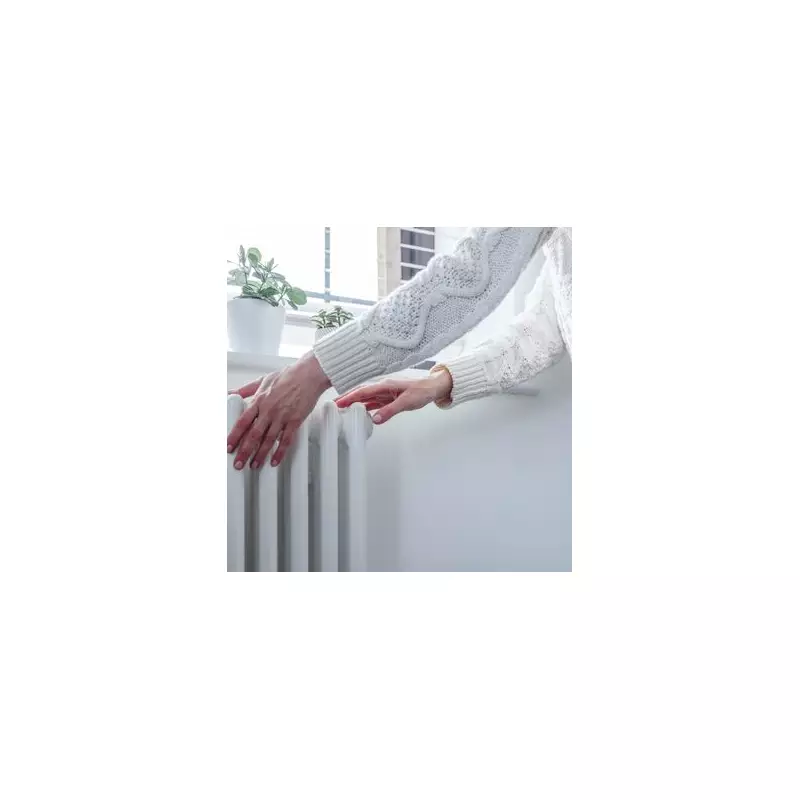
As the winter chill sets in and temperatures are forecast to remain low well into the new year, ensuring your home heating is running at peak efficiency has never been more critical. Many households face the common and frustrating issue of radiators that are cold at the top, a problem that not only leaves you feeling the cold but could also be inflating your energy bills.
The Simple Five-Minute Fix for Cold Radiators
According to Ricky Sharma from the training organisation Engineering Real Results (ERR), a quick and easy solution exists. If your radiator feels warm at the bottom but cold at the top, the culprit is usually trapped air. This prevents the hot water from circulating properly, making your entire heating system less effective.
"The fix is simple," Ricky assures. "Using a radiator key to carefully bleed the radiator and let the air escape can make your whole system work much better." This is a task that typically takes just five minutes. After bleeding your radiators, it is essential to check your boiler pressure, as it may need topping up afterwards.
Beyond Bleeding: Broader Efficiency Tips
Ricky Sharma also highlights that your boiler's age plays a significant role in your home's heating performance and costs. He advises, "If your boiler is more than 12 years old it may be worth thinking about an upgrade." Modern condensing boilers are far more efficient and could save you hundreds of pounds a year on your energy bills.
Another major area for improvement is home insulation. "Good insulation is key to staying warm and cutting costs," said Ricky. He recommends several cost-effective measures:
- Draught-proofing windows and doors.
- Topping up loft insulation.
- Using thick curtains to trap warmth.
- Putting reflective foil behind radiators on outside walls to prevent heat escape.
Smart Thermostat Control for Maximum Savings
Being clever with your heating controls can lead to substantial savings. Ricky explains that a programmable or smart thermostat allows you to heat your home according to your routine, avoiding wasting energy on an empty house. Furthermore, fitting thermostatic radiator valves (TRVs) lets you set different temperatures for each room, perfect for spaces you use less frequently.
Perhaps one of the most impactful tips is adjusting your main thermostat. Lowering it by just one degree could cut your heating bill by around 10 per cent, according to the Energy Saving Trust. This translates to an average saving of £120 a year. "Most homes are comfortable at between 18C and 21C," Ricky added, suggesting that turning down the thermostat and putting on an extra layer is a simple way to save money.