Conservatives Declare Oil and Gas Emergency in North East Scotland
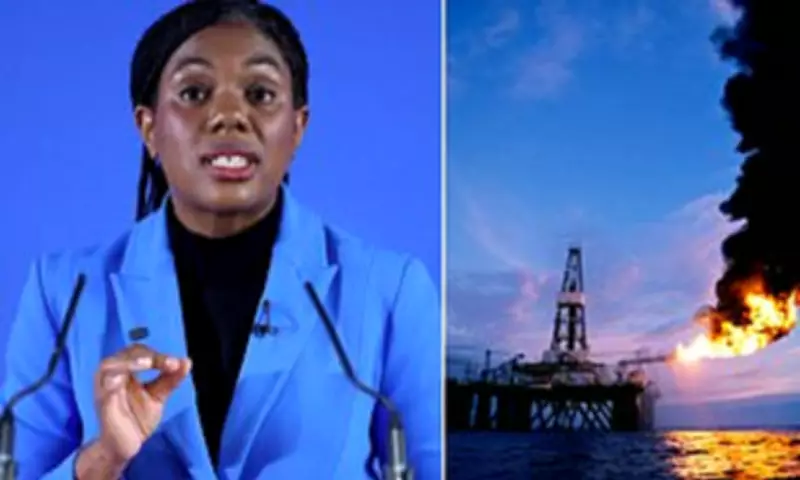
The preservation of Britain's vital oil and gas sector has become a deeply personal mission for me. During my visits to Aberdeen, throughout Scotland, and across the entire United Kingdom, I have witnessed firsthand the critical importance of the offshore industry to our national fabric.
From senior executives to junior staff members, I have heard consistent and profound concerns about the future of approximately 200,000 jobs that depend directly on the North Sea operations. This widespread anxiety has led Russell Findlay and me to declare that North East Scotland is confronting a genuine oil and gas emergency.
Political Opposition and Economic Self-Harm
Unfortunately, the Labour Government in Westminster and the SNP administration in Holyrood appear completely disconnected from this reality. Their sustained campaign against domestic oil and gas production has always represented economic self-harm, but the current chaos in the Middle East—which threatens global shipping routes—has exacerbated the situation dramatically.

This misguided approach is now actively damaging both our energy security and our national security interests. The North Sea basin still contains a staggering 2.9 billion barrels of oil equivalent, valued at approximately £165 billion, with potential for even greater worth as global energy prices continue to climb.
Remarkably, Britain currently imports natural gas from Norway that originates from the exact same geological basin we share, rather than extracting these resources ourselves. This contradictory approach makes absolutely no logical or economic sense.
The Conservative Energy Plan: Drilling and Economic Revival
That is precisely why I have launched the Conservative Party's comprehensive campaign to get Britain drilling again. Our economic strategy is straightforward and pragmatic: reduce unnecessary government spending, lower taxes across the board, and provide unequivocal support to British businesses.
Conservative Party leader Kemi Badenoch has made a firm commitment to revitalize domestic drilling operations. By increasing extraction activities in the North Sea, we would generate a multi-billion pound boost for the national Exchequer while creating thousands of skilled jobs.
During Wednesday's Prime Minister's Questions session, I directly challenged Keir Starmer about whether his government would grant development licenses for the Rosebank and Jackdaw oil fields, which currently remain in bureaucratic limbo. While the Labour leader typically avoids providing clear answers, he inadvertently revealed something significant during his response.
Starmer essentially admitted that the final decision rests entirely with Energy Secretary Ed Miliband—a politician who consistently prioritizes Net Zero ideology over practical concerns about household energy bills and national security. The gas reserves in these two fields alone could provide heating for approximately 1.6 million British homes and could potentially come online as early as this winter.
The Conservative Cheap Power Plan
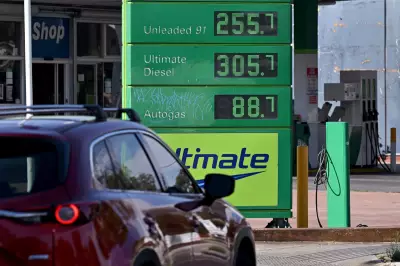
Conservatives will maintain relentless pressure on this critical issue, and today I am proud to introduce our innovative Cheap Power Plan. By eliminating unnecessary green levies and removing VAT from domestic energy bills entirely, we could substantially reduce energy costs for every household in the country.
Our detailed proposal would save the average British family approximately £200 annually—funding that would be made possible through the substantial revenue generated by increased North Sea drilling operations. British businesses would likewise benefit significantly from more affordable and reliable energy supplies.
Meanwhile, the Labour Party refuses to consider any of these practical solutions. Instead, Rachel Reeves is reportedly planning to allocate additional funding to welfare programs. Her proposed energy bailout for what some might call "Benefits Street" would ultimately be financed through higher taxes on working people.

The last thing Britain needs right now is increased taxation or additional government borrowing to fund expanded welfare programs. If Conservatives were in government today, we would immediately accelerate British drilling by approving as many exploration licenses as possible, abolishing the counterproductive Energy Profits Levy, providing robust support to our offshore industry, and replacing the North Sea Transition Authority's complex green targets with one straightforward objective: extract as much of our domestic oil and gas resources as practically possible.
Energy Abundance Versus Import Dependence
Conservatives fundamentally believe in energy abundance and security. While renewable energy can certainly play a complementary role when it proves cost-effective, even industry organizations like RenewableUK are now urging the government to proceed with additional drilling projects.
Common sense clearly demonstrates that importing oil and gas from foreign sources—often transported across thousands of miles—does nothing to improve our environmental standing compared to utilizing resources we already possess here at home. Domestic gas production would make Britain considerably more resilient against supply disruptions, whether caused by shipping conflicts in the Persian Gulf, pipeline maintenance issues in Norway, or volatility in Atlantic LNG shipments.
Accelerating British drilling represents an absolute no-brainer for our economy and security. But don't simply take my word for it—consider the perspectives of Tony Blair, the chief executive of Centrica, and even the head of Ed Miliband's own GB Energy initiative.
It remains possible for the current government to alter its disastrous course, and I will continue advocating relentlessly until they do. As Scottish voters prepare to cast their ballots on 7 May, they should remember that only one political party remains genuinely committed to the North Sea industry while offering a fully costed plan to reduce energy bills permanently. That party is the Conservatives, under my leadership alongside Russell Findlay.