Diesel Prices Rocket 16p Per Litre as Middle East Conflict Intensifies
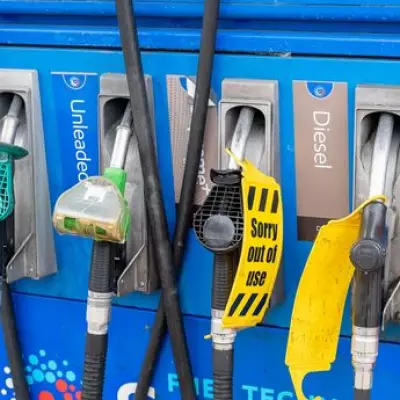
UK motorists are experiencing significant fuel price increases following recent geopolitical tensions in the Middle East, with diesel costs surging dramatically more than petrol prices over the past fortnight.
Sharp Increases at the Pumps
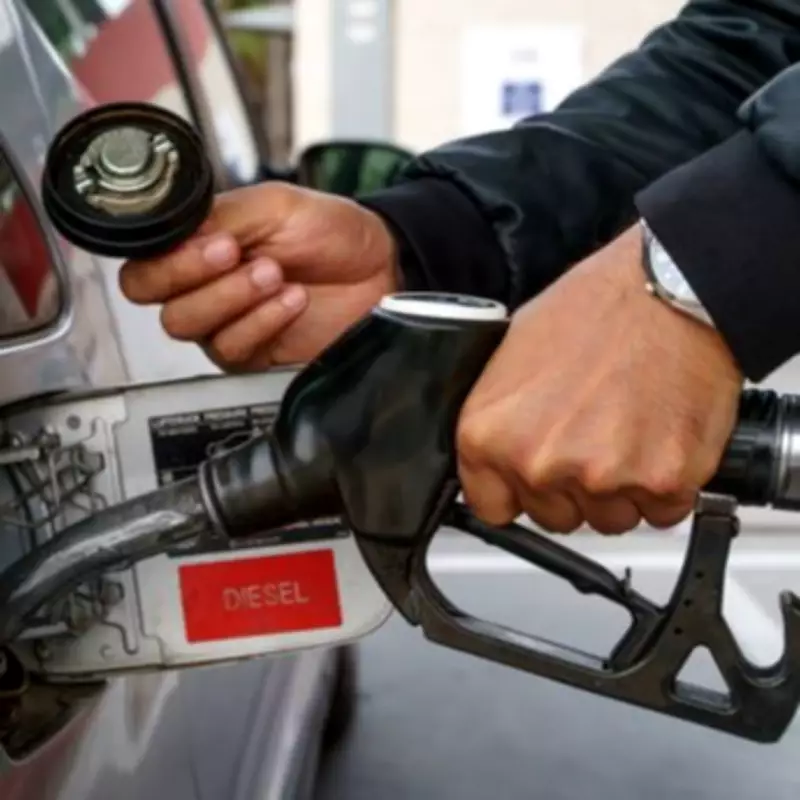
According to the latest RAC fuel watch data, diesel prices have jumped by an average of 16p per litre since February 28, while petrol has increased by 7p per litre during the same period. This represents a 9% increase for diesel compared to a 6% rise for petrol, adding approximately £8 to fill a typical family car with diesel versus £4 for petrol vehicles.
The price escalation follows US and Israeli strikes on Iran that began on February 28, causing global oil prices to skyrocket overnight. This sudden development disrupted what had been a period of relative stability for UK fuel costs, with average petrol prices now reaching 140p per litre and diesel climbing to 158p per litre.

Why Diesel Is Rising Faster Than Petrol
Industry experts have identified several key factors driving the disproportionate increase in diesel costs compared to petrol. Steven Greenall, protection adviser at Rayleigh-based Protect and Lend, explained that diesel represents a more complex carbon product that requires more expensive refining processes from crude oil.
"The UK maintains greater dependence on diesel imports compared to petrol," Greenall noted. "Additionally, margins tend to increase more substantially for diesel at the pump due to these fundamental supply and production differences."
Rohit Parmar-Mistry, founder of Burton-on-Trent-based Pattrn Data, elaborated on the market dynamics affecting diesel pricing. "Diesel operates within the middle distillate market alongside jet fuel and heating oil," he explained. "This market can experience tightening even when petrol supplies remain relatively stable. Currently, diesel is experiencing wider 'crack' spreads where refiners charge higher margins to convert crude into diesel due to lower inventories and less flexible supply chains."
Parmar-Mistry further highlighted how steady demand from HGVs, vans, construction, and logistics sectors maintains pressure on diesel supplies, while jet fuel production competes for the same refinery output. Geopolitical factors including shipping disruptions, increased insurance costs, and shifting trade flows resulting from the Iran conflict have further exacerbated the situation.
Political Pressure and Regulatory Scrutiny
The dramatic price increases have prompted calls for government intervention and intensified regulatory oversight. Edmund King, president of the AA, warned that diesel price hikes would particularly impact inflation since most goods and services are transported by diesel-powered vehicles.
"We strongly encourage the Chancellor to delay the staggered reintroduction of the 5p fuel duty discount," King stated. "This would offer crucial breathing space for hard-pressed households facing these unprecedented cost increases."
Prime Minister Sir Keir Starmer has indicated the government will keep the situation "under review" given the ongoing Middle East conflict. Meanwhile, Chancellor Rachel Reeves faces mounting pressure to postpone plans to gradually remove the 5p reduction to fuel duty, beginning with a 1p increase scheduled for September this year.
Competition Watchdog Intensifies Monitoring
The Competition and Markets Authority (CMA) announced on Thursday that it has placed fuel retailers "on notice" regarding intensified scrutiny of petrol and diesel pricing practices. The regulator has accelerated formal requirements for companies operating thousands of forecourts nationwide to provide detailed revenue, cost, and sales data.
Juliette Enser, the CMA's executive director for markets, emphasized that while price increases might be inevitable due to rising wholesale costs, "it is important that those increases reflect genuine cost pressures." The watchdog will specifically examine whether evidence exists of "rocket and feather" pricing practices, where costs surge rapidly when oil prices increase but decline gradually when oil prices drop.

The CMA acknowledged that businesses throughout the economy face considerable pressure from soaring energy costs but emphasized that filling stations "should not exploit the situation." Any concerning pricing behaviour will be highlighted in an upcoming pricing update that the regulator plans to publish as soon as possible.
RAC head of policy Simon Williams welcomed the increased scrutiny, stating: "Drivers tell us the cost of motoring is a major concern and fuel is a huge contributor to that, so making sure they're paying a fair price at the pumps is essential. For that reason, we welcome the competition watchdog's scrutiny of what's happening on forecourts across the country."
With oil prices hovering around $100 per barrel as of Friday morning, any relief for UK motorists appears contingent on calming tensions in the Middle East conflict and potential government intervention regarding fuel duty policies.