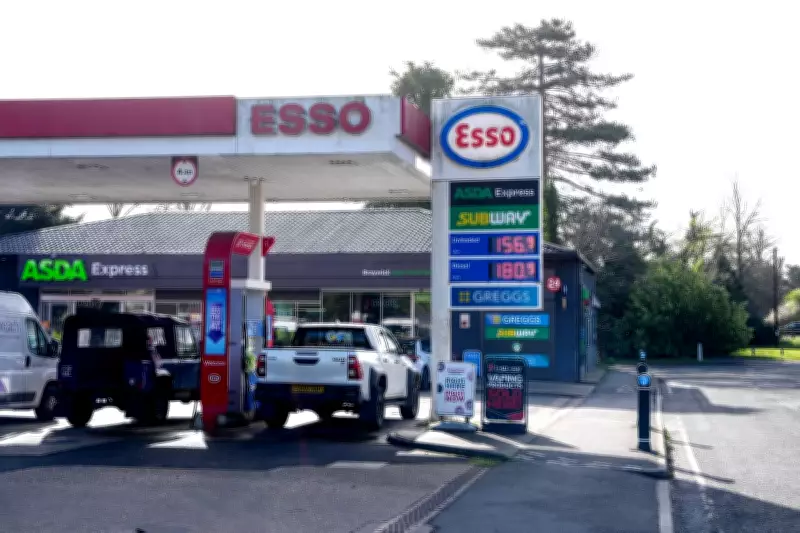
The widening chasm between diesel and petrol prices in the United Kingdom has surged to an unprecedented peak, marking the most significant disparity recorded since at least the year 2003. This alarming development emerges as the deepening oil crisis linked to Iran continues to exert severe upward pressure on global fuel costs, with immediate repercussions felt at British forecourts.
Record-Breaking Price Disparity
According to the latest data from motoring services company RAC, the average price for a litre of diesel at UK fuel stations stood at 179.9 pence on Sunday. This figure represents a staggering 28.5 pence premium over the average petrol price, which was recorded at 151.4 pence per litre. The RAC Foundation has issued a stark warning, indicating this is the most substantial price gap witnessed in over two decades, potentially the largest ever observed.
Root Causes of the Crisis
The dramatic widening of this price gap is attributed to a confluence of critical factors. Domestically, UK refineries have been prioritising petrol production, thereby increasing the nation's reliance on imported diesel to meet demand. On the international stage, global oil prices have soared due to Iran's escalating control over tanker traffic through the strategically vital Strait of Hormuz. This geopolitical tension has directly inflated wholesale fuel costs, which are subsequently passed on to consumers at the pump.

The financial burden is immense for the UK's 16.2 million licensed diesel vehicles, as per DVLA data from last September. This fleet includes the overwhelming majority of light goods vehicles, such as the vans essential for countless small businesses and trades.
Impact on Businesses and Consumers
Steve Gooding, director of the RAC Foundation, emphasised the severe economic impact. "Diesel is the lifeblood of millions of small businesses, but today white van man is bleeding cash just to stay on the road," he stated. "Whether you drive or not, soaring diesel prices will take money out of your pocket, either at the pump or in the bills you pay for everything from calling out the plumber to getting a home delivery."
Gooding further cautioned that if oil prices persist at their current elevated levels, the forecourt impact could linger for weeks, if not months. This prognosis spells bad news for all, not solely the drivers of the UK's estimated 4.6 million diesel vans, the majority of which are utilised for commercial work purposes.
Geopolitical and Market Turbulence
The fuel price surge coincides with intense market volatility. Brent crude oil witnessed its cost climb by over 3 per cent during Monday morning trading, reaching 117 US dollars a barrel at one point. This instability is fuelled by ongoing military engagements involving the US and Israel against Iran, a situation further exacerbated after Iranian-backed Houthi rebels entered the conflict on Saturday with their inaugural missile strike.
Political Pressure and Fiscal Policy
In response to the relentless rise in pump prices, mounting calls are urging the Government to abandon the scheduled increase in fuel duty planned for September. The fiscal landscape was set by Chancellor Rachel Reeves in her November 2025 budget, which announced that the 5p-per-litre cut in fuel duty—originally introduced by the Conservative government in March 2022—would only be extended until the end of August 2026. Post that date, rates are slated to gradually return to March 2022 levels over the subsequent five years.
This policy decision now faces intense scrutiny as businesses and households grapple with the compounded pressures of record fuel costs and broader economic strain, highlighting the profound intersection of global energy markets, domestic refining strategy, and government taxation policy.