UK Academics Sound Alarm Over Destruction of Iran's Cultural Heritage
Leading British historians and archaeologists have issued a stark warning that Iran's ancient cultural heritage sites face severe risk of destruction from ongoing US and Israeli military strikes. In a formal letter to The Times, experts from prestigious institutions including the British Museum, Cambridge University's Fitzwilliam Museum, and the School of Oriental and African Studies expressed profound concern about the escalating damage to Iran's irreplaceable historical monuments.
UNESCO Sites Already Damaged in Conflict
The United Nations Educational, Scientific and Cultural Organization confirmed on 11 March that four of Iran's twenty-nine UNESCO World Heritage sites have sustained damage since hostilities commenced. This alarming revelation underscores the vulnerability of these protected locations amidst the intensifying conflict.
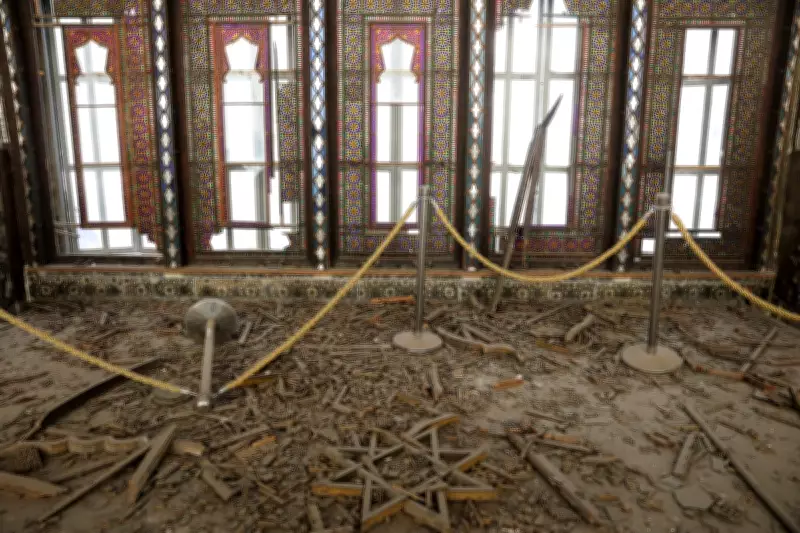
Among the affected sites is Tehran's iconic Golestan Palace, the only UNESCO-listed building in the capital city. Often referred to as the "Versailles of Persia," this architectural masterpiece served as the royal residence for the Qajar dynasty from the late 18th century until 1925. Originally constructed in the 17th and 18th centuries and extensively remodeled during the 19th century, the palace suffered significant damage from blast waves following a strike on nearby Arag Square on 2 March. The attack shattered windows and scattered rubble throughout the historic ballrooms.

Widespread Damage to Historical Treasures
Further destruction has been reported at other crucial cultural locations. The museum attached to Falak-ol-Aflak Castle in Khorramabad was completely destroyed last month according to local authorities. Additionally, Chehel Sotoun Palace, a magnificent 17th-century Safavid complex located within Esfahan's picturesque Naqsh-e Jahan square, has sustained damage. This site forms part of a remarkable architectural ensemble surrounded by historic mosques and palaces.
Professor Ali Ansari, an eminent Iranian history scholar at the University of St Andrews and president of the British Institute of Persian Studies, highlighted the uncertainty surrounding future restoration efforts. "It remains unclear how the international community might assist with repairs while the conflict persists," he stated, noting that Western museums and institutions are currently collaborating with archaeologists in neighboring Iraq to address damage caused by years of Islamic State destruction.
Environmental Threats Compound Physical Damage
As the conflict escalates with rising casualties, experts warn that environmental pollution from bombing campaigns poses additional long-term threats to Iran's cultural heritage. During the war's first week, Israeli strikes on oil depots around Tehran enveloped the city in toxic black fumes that can erode the delicate exteriors of ancient structures.
The scholars' letter specifically notes that "damage to oil depots and refineries inevitably results in pollution causing irreversible harm to sites such as Persepolis and Pasargadae, along with famous rock-reliefs including Bisitun, Naqsh-e Rostam and Bishapur." Professor Ansari expressed hope that particularly significant ancient sites like Persepolis—the ceremonial capital of emperors Darius and Xerxes—might receive special protection, suggesting "I would like to think the Americans and Israelis maintain some red lines regarding these locations."
The academic community emphasizes that this destruction represents a loss for global cultural heritage, not merely for the Iranian people. With restoration efforts complicated by ongoing hostilities and environmental degradation, the preservation of these irreplaceable historical treasures remains increasingly precarious.