Diesel Prices Surge to 160.3p Per Litre, Highest Since November 2023
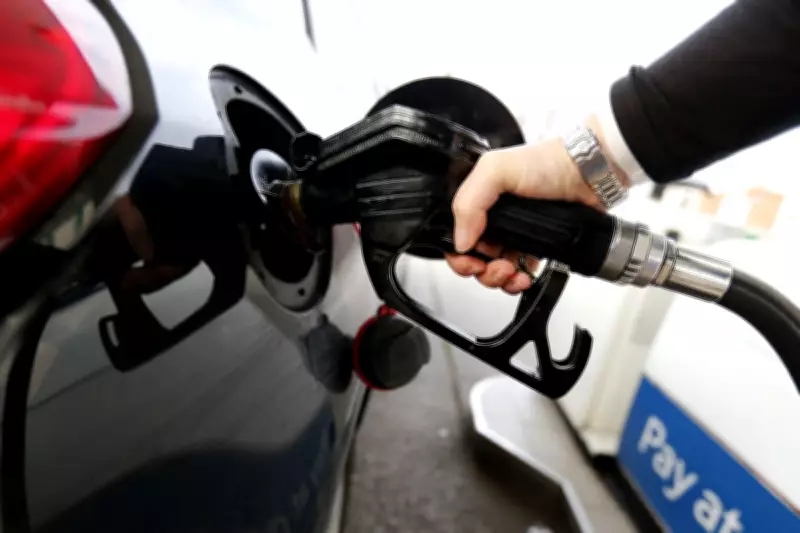
Diesel prices in the UK have reached their most expensive level since November 2023, with new figures revealing a sharp increase driven by the ongoing Middle East conflict. The RAC reported that the average price of diesel at UK forecourts on Sunday stood at 160.3p per litre, marking a significant rise from 142.4p per litre when the US-Israeli campaign against Iran commenced on February 28.
Substantial Increases in Fuel Costs
This represents a 13% increase, adding approximately £10 to the cost of filling a full tank for drivers. Over the same period, petrol prices have also climbed by 7%, rising from 132.8p per litre to 141.5p per litre. The last time petrol was more expensive was in August 2024, highlighting the sustained pressure on motorists' budgets.
Simon Williams, head of policy at the RAC, commented: "Drivers with diesel cars are really feeling the heat. Prices have shot up 18p a litre in just two weeks, adding £10 to the cost of a full tank. The average cost of filling up a 55-litre family car with diesel is now £88, whereas for petrol it's £78."
Oil Prices Exceed $100 a Barrel
The surge in fuel prices is closely linked to oil prices, which have exceeded $100 a barrel for the first time since 2022. This spike is a direct response to Iran's stranglehold on oil tankers passing through the Strait of Hormuz, a critical chokepoint for global oil shipments. The increased cost of wholesale fuel has cascaded down to consumers, exacerbating financial strains.
Williams further explained the structural issues contributing to the diesel price hike: "The UK has fewer refineries than ever and those we do have are more geared towards petrol production than diesel, so we're reliant on imports which has contributed to diesel prices rising faster."
Government and Industry Tensions
In response to rising concerns about the impact of the Middle East crisis on household finances, Chancellor Rachel Reeves hosted industry chiefs at 11 Downing Street on March 13. She told petrol retailers they had a "shared obligation" to keep prices down for motorists. However, the meeting was preceded by tensions, as the Petrol Retailers Association (PRA) threatened to pull out, claiming the Government's "inflammatory language" over rising fuel prices had led to abuse against forecourt workers.
At the Downing Street meeting, Energy Secretary Ed Miliband warned executives from forecourt operators and firms including Asda, BP, ExxonMobil, and Shell that the Government would not tolerate "unfair practices" in the industry. This underscores the heightened scrutiny on fuel retailers amid the ongoing price surge.
The situation remains volatile, with drivers facing continued financial pressure as geopolitical tensions in the Middle East show no signs of abating. The RAC's figures serve as a stark reminder of the direct impact international conflicts can have on everyday costs for British consumers.