Drax Power Station Receives Record £1bn in Public Subsidies While Remaining UK's Largest Carbon Emitter
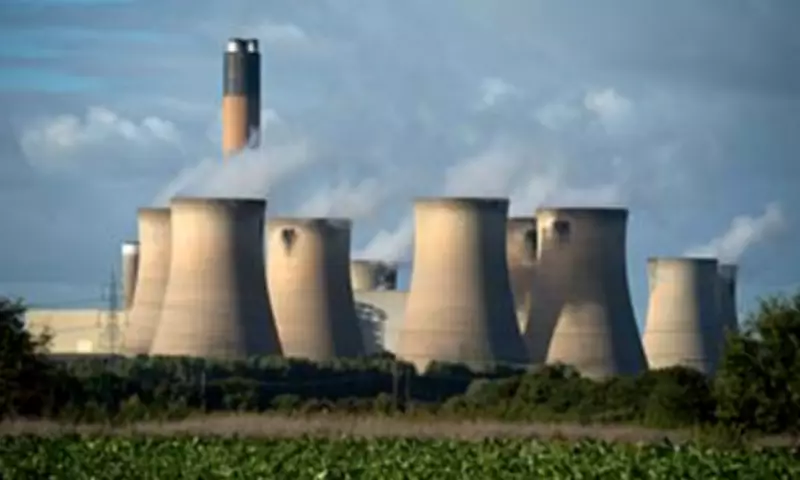
Households across the United Kingdom contributed a staggering record amount of nearly £1 billion in public subsidies to Drax power station last year, according to new analysis. The controversial biomass plant, which is the nation's largest carbon emitter, received what energy think tank Ember describes as 'overly generous' payments totalling £2.7 million daily and more than £100,000 every hour.
Subsidy Structure and Future Reductions
Drax has maintained its position as the UK's biggest emitter for the past decade, and despite subsidies being scheduled to decrease from next year, it is projected to retain this unwelcome status until at least 2030. The power station received an unprecedented £999 million in Government subsidies during the last financial year, with these costs being passed directly to consumers through their energy bills.
Remarkably, this energy production is classified as renewable because the wood pellets utilised originate from forests where trees are harvested and subsequently replanted. In April 2026, Drax entered the final twelve months of elevated subsidy payments under the existing scheme, according to Ember's analysis.

From 2027 onwards, the available subsidy will be approximately halved to around £460 million annually, initiating a gradual phase-out period. However, the substantial scale of biomass combustion virtually ensures that Drax will continue to be the United Kingdom's primary emitter until the conclusion of this decade.
Regulatory Scrutiny and Environmental Concerns
Energy regulator Ofgem discovered that Drax failed to maintain proper records regarding imported wood sources. Report author Frankie Mayo commented: 'Nearly £1 billion for woody biomass burning represents an astonishing high-water mark for public subsidies – and a particularly problematic one as energy prices continue to soar.'
Mayo added: 'While it's undoubtedly a relief that these excessively generous payments will be reduced by half from 2027, British taxpayers should never have found themselves in this position initially.'
The think tank's investigation revealed that public subsidies in 2025 were £130 million higher than the previous year, representing a significant 15 percent increase. Although partly attributable to increased energy generation, this rise was primarily driven by the escalating value of payments under existing subsidy schemes.
Household Impact and Future Projections
The increased subsidy value translated to every household in the country contributing approximately £13 annually to Drax following Energy Secretary Ed Miliband's extension of the company's contract. From 2027, a new subsidy arrangement should result in Drax receiving approximately half of its current subsidy amount, with this reduced scheme continuing for up to four years before concluding at the beginning of 2031.
However, the report cautioned: 'While a 50 percent reduction in subsidised biomass burning at Drax power station will deliver cost savings for consumers, emissions will likely remain higher than any other industrial site or power station in the country, cementing Drax's status as the UK's largest producer of carbon emissions.'
Company Response and Long-Term Uncertainty
Ember further indicated that Drax's long-term viability remains uncertain, as the company has suggested it may be unable to deliver a promised carbon capture scheme. Following a 2024 Ofgem investigation, Drax paid £25 million for what were described as 'inadvertent and technical' breaches of regulations concerning wood sourcing disclosure.
This investigation was prompted by allegations that the company burned wood from unsustainable sources and sourced timber from precious rare forests in Canada. Despite these environmental concerns, Mr Miliband announced new taxpayer subsidies for the North Yorkshire facility, which generates approximately five percent of the UK's total electricity.
A Drax spokesperson responded: 'In 2025, Drax Power Station generated a record 15.0TWh of renewable power using biomass, ensuring reliable electricity supply for millions of homes and businesses regardless of weather conditions.'

The spokesperson continued: 'The support arrangements for our biomass generation are not exceptional and resemble those established for other generator types – we are compensated under these mechanisms for the power we produce. The period covered by the new low-carbon Contracts for Difference alone could see Drax Power Station's continued operation deliver a net saving for consumers of up to £3.1 billion compared to alternative dispatchable generation sources.'
They concluded: 'Replacing the 2.6GW of secure dispatchable power capacity that Drax Power Station provides in the long-term would necessitate billions in capital investment for constructing new nuclear or gas capacity.'