EU Energy Crisis Intensifies Amid Iran War, Fuel Price Fears Prompt Action
The Iran war has plunged global oil and gas markets into chaos, creating a nightmare scenario for the European Union. With the prospect of Donald Trump easing US sanctions on Russian oil to fill supply gaps, the bloc is grappling with soaring prices and vulnerabilities. European Council President António Costa warned on Tuesday that the only winner from the conflict could be Vladimir Putin, who might exploit throttled Gulf supplies.
EU-Wide Response to Oil Price Volatility
In just 24 hours, oil prices surged to nearly $120 a barrel before retreating to around $90, highlighting market instability. The European Commission has urged the United States to strictly enforce the G7 price cap on Russian oil, set at $44.10 per barrel since 1 February. European Economic Commissioner Valdis Dombrovskis emphasized the importance of limiting Russia's war revenues, stating that failing to enforce the cap would be self-defeating.
EU commissioners discussed measures last Friday to alleviate high energy costs for consumers and industries, including potential adjustments to energy taxes and the EU carbon price, which contributes about 11% to industrial power expenses. A video call was scheduled for Tuesday afternoon to coordinate responses, such as cutting oil taxes collectively.

Eurostat data reveals that the EU's largest oil imports by value this year come from the US at 15%, followed by Norway at 14%, Kazakhstan at 13%, and Gulf states at 12%. However, the global price shock has exposed critical weaknesses in the bloc's economies, already burdened with some of the world's highest energy prices.
Member States Take Varied Approaches
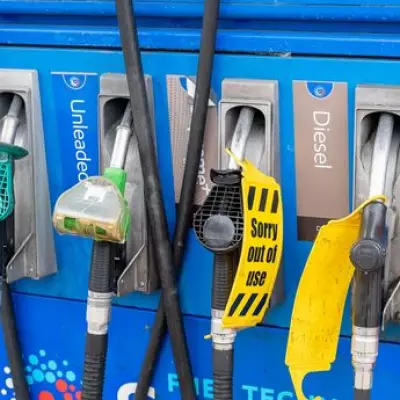
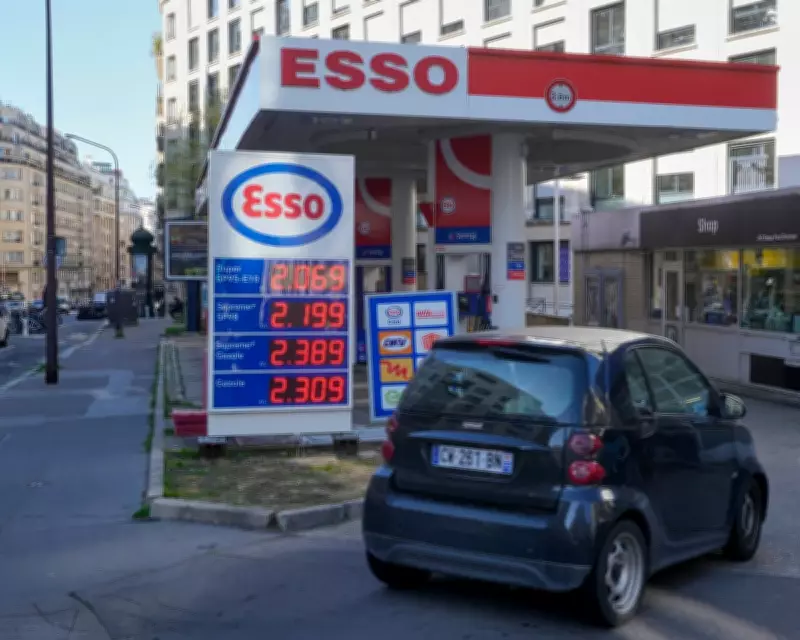
France is launching inspections at 500 petrol stations to prevent excessive fuel price hikes. Prime Minister Sébastien Lecornu stated that inspectors will visit sites nationwide from Monday to Wednesday, ensuring companies do not exploit the Middle East conflict as a pretext for abusive pricing.
Italy has threatened to increase taxes on firms profiteering from soaring wholesale oil prices. Prime Minister Giorgia Meloni expressed determination to protect families and businesses from speculators, though taxes already account for 25% of consumer energy costs.
Germany and Austria show divergent stances. Chancellor Friedrich Merz of Germany ruled out easing sanctions on Russia, prioritizing solidarity with Ukraine despite market pressures. He predicted a rapid market normalization if the US-Israeli war with Iran ends quickly. In contrast, Austrian Chancellor Christian Stocker called for temporary petrol tax cuts to counter war-driven price increases.
Hungary and Croatia have implemented price caps, with Croatia setting forecourt prices at €1.55 per litre for diesel and €1.50 for unleaded. Hungarian leader Viktor Orbán announced a similar cap and the release of state reserves, while urging the EU to suspend sanctions on Russian energy. Hungary and Slovakia already enjoy exemptions from EU restrictions on Russian gas imports.
Other EU states are also feeling the impact. Sweden-based airline SAS introduced a temporary price increase due to soaring oil costs. In Ireland, concerns mount over heating oil prices, with many rural homes reliant on paraffin, though the coalition government resists immediate intervention despite past actions against price gouging.