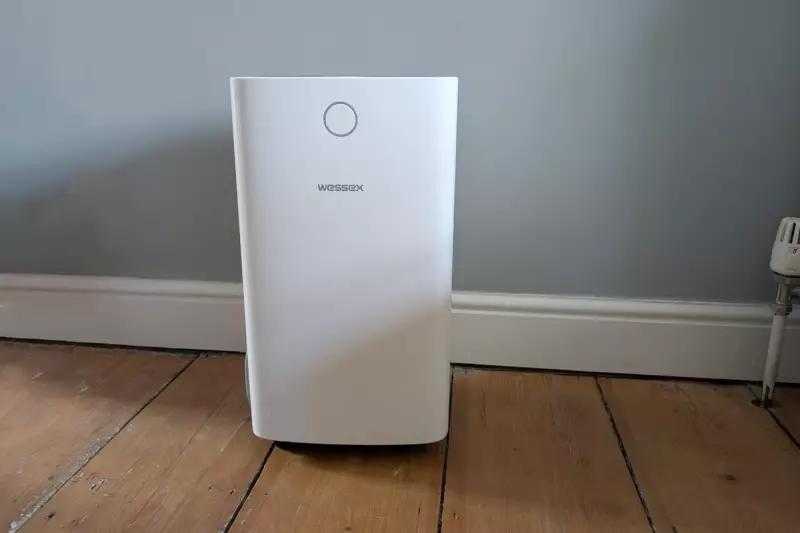
As stubbornly high energy prices continue to squeeze household budgets, many Britons are wary of appliances that need to run for extended periods. Yet, during the damp and chilly winter months, a dehumidifier often shifts from a luxury to a necessity for combating mould and drying laundry indoors.
What is the hourly cost to run a dehumidifier?
Experts confirm that the running cost of a dehumidifier varies significantly based on its size and efficiency. Katie Lilywhite, an air treatment expert at AO, notes that average usage is typically between four and six hours daily in colder or damper conditions, sometimes longer.
Chris Michael, founder and chair of leading dehumidifier company Meaco, emphasises that choosing an energy-efficient model is crucial for long-term savings. He provided a clear cost breakdown: Smaller models suited to flats can run for as little as 4p per hour, while larger units for bigger properties may cost up to 15p per hour.

Key factors that influence your energy bill
Several elements determine how much you will pay to keep your home dry. Room temperature is a major factor, as dehumidifiers operate more efficiently in warmer conditions. Proper placement is also vital.
"Placing the unit centrally with good air circulation helps it work faster and use less energy," explains Lilywhite. She warns against leaving windows and doors open during use, as this forces the appliance to work harder against a constant influx of new moisture.
Chris Michael adds that room size, frequency of use, the model's specific energy efficiency, and current electricity prices all contribute to the final cost. He also advises that a higher initial investment in a quality machine often pays off through longer lifespan and lower energy consumption.
Expert tips for maximising efficiency and saving money
To keep costs down, experts recommend a few practical strategies. Always keep the room sealed while the dehumidifier is operating to prevent it from battling external humidity. Avoid tucking the unit away in a corner; central placement ensures optimal air circulation.
Regular maintenance, such as emptying the removable water tank, is essential to prevent internal mould growth and maintain performance. Michael strongly recommends choosing a model with a humidistat. This feature allows the device to automatically switch off when a set humidity level is reached, only restarting when necessary, which conserves electricity.
He also suggests looking for models with a long warranty, which often indicates better build quality and reliability.
Using a dehumidifier to dry laundry
Dehumidifiers have gained popularity as a cost-effective method for drying clothes indoors, a tip championed by money-saving expert Martin Lewis. They are far cheaper to run than a tumble dryer.
For best results, place the dehumidifier next to your clothes airer in a closed room. To speed up the process further, Chris Michael suggests positioning a cooling fan opposite the dehumidifier. The fan's efficient airflow pushes moisture from the clothes into the air, where the dehumidifier can capture it more quickly.