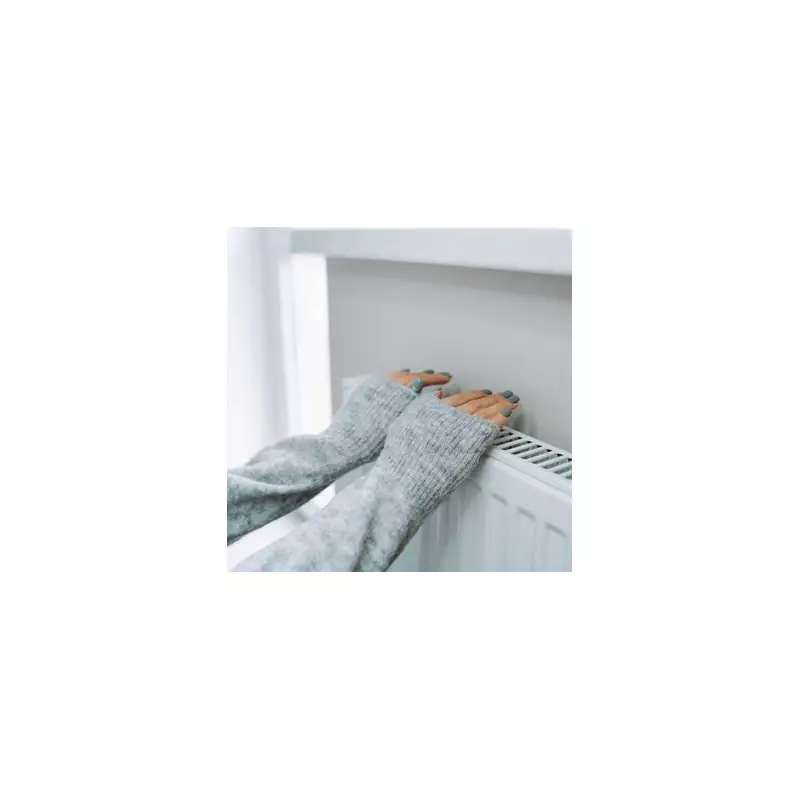
Homeowners seeking to cut soaring winter heating costs are being warned to avoid a popular but perilous viral hack involving tin foil. Experts have issued stark safety alerts, revealing the DIY method could pose a serious fire risk while offering minimal financial savings.
The Viral Hack and Its Supposed Benefits
As temperatures plummet, social media platforms like TikTok and Instagram have been flooded with clips promoting a seemingly simple trick: placing standard kitchen tin foil behind radiators. The theory suggests the foil acts as a reflective shield, bouncing heat back into the room and preventing it from being absorbed into external walls. Proponents claim this can significantly reduce heat loss and slash energy costs, a tempting prospect during the cost-of-living crisis.
However, specialists have stepped forward to debunk the trend, emphasising that viral popularity does not equate to safety or efficacy. Scott Byrom, Energy Expert and Chief Executive at The Energy Shop, told Ideal Home that ordinary domestic foil is not designed for such use.

Serious Dangers Outweigh Minimal Savings
The core issue lies in the material's reaction to sustained high temperatures. "Ordinary foil isn't designed to sit behind a heat source," explained Byrom. "Over time, it can degrade or oxidise at higher temperatures, increasing the risk of smouldering or even fire."
This warning is echoed by fire safety professionals. Andrew Topping, a firefighter with 26 years of experience, highlighted the gradual but dangerous degradation. "Kitchen foil can oxidize and degrade over time and will lead to smouldering or burning at high temperatures if not replaced," he stated. Topping criticised the spread of such hacks, noting: "These hacks gain traction because they seem simple and cheap, but what social media doesn't show is the danger behind them."
Experts concur that even if the fire risk is avoided, the energy savings from using basic tin foil are negligible. Without a proper insulating backing, the heat reflection is inefficient. The potential savings are minimal at best, making the dangerous practice fundamentally pointless.
The Safe and Effective Alternative
Instead of resorting to risky kitchen foil, energy and safety experts unanimously recommend a purpose-built solution. Scott Byrom advises using "purpose-made radiator reflector panels that are fire-safe and designed to improve efficiency."
These panels, available from DIY retailers such as Screwfix, B&Q, and Amazon, are specifically engineered for the task. They typically consist of a reflective foil surface bonded to a thin layer of insulation. This design effectively blocks heat from escaping through the wall behind the radiator, directing it back into the living space.
According to the Energy Saving Trust, installing proper radiator reflectors can have a meaningful impact. They state that these reflective panels can help reduce your carbon footprint and save up to £25 per year on energy bills. For a low-cost, simple installation, this represents a reliable return without any safety compromise.
For those seeking to reduce energy costs this winter, experts suggest prioritising other proven measures. "Focus on draught-proofing, which delivers far more reliable savings," added Byrom. Sealing gaps around windows, doors, and floorboards is a safer, more effective first step before considering radiator enhancements.
The message from professionals is clear: when it comes to heating hacks, safety must come first. Avoiding the tin foil trend and opting for certified radiator reflector panels is a small investment for peace of mind and genuine, risk-free savings.