A prominent US senator is demanding urgent answers from energy giant BP regarding a petrochemical leak that has forced the shutdown of a critical Pacific Northwest fuel pipeline, creating potential travel chaos during the busy Thanksgiving holiday period.
Pipeline Crisis Threatens Regional Fuel Supplies
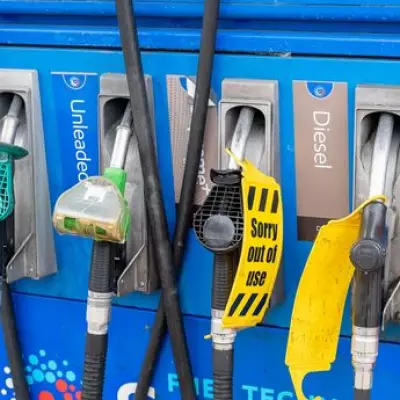
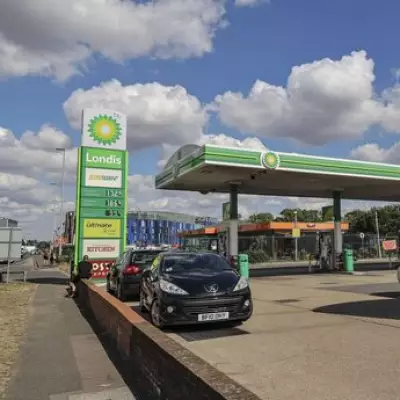
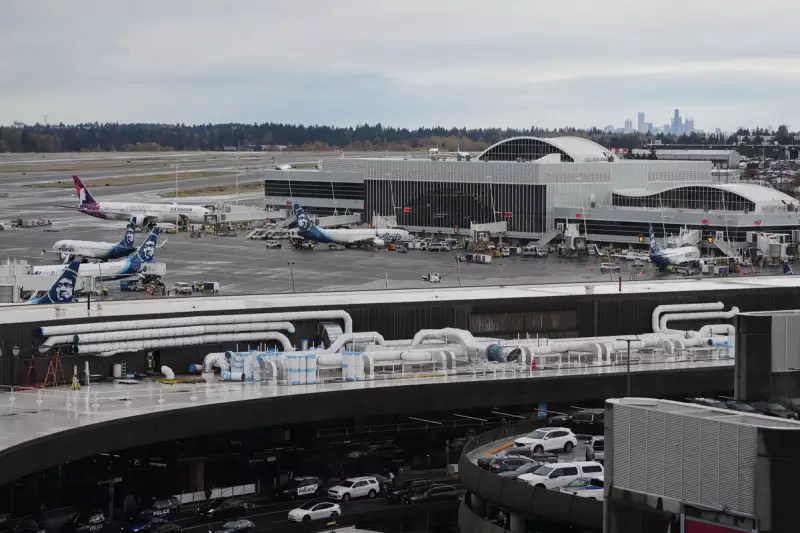
US Senator Maria Cantwell issued a formal demand for information from BP on Friday concerning a significant leak that has compelled the closure of the vital Olympic Pipeline. This development poses a direct threat to jet fuel supplies at Seattle-Tacoma International Airport and could trigger gasoline price increases across the region during one of the year's busiest travel weekends.
The 400-mile-long (644-kilometre-long) Olympic Pipeline serves as the fundamental infrastructure for transporting gasoline, diesel, jet fuel and other petroleum products throughout the Pacific Northwest. It connects refineries near the Canadian border with distribution terminals west of the Cascades, supplying major population centres across Washington and Oregon.

The pipeline system has remained completely shut down since Monday, following intermittent closures after the initial leak discovery near Everett, north of Seattle, on November 11.
Emergency Measures and Travel Impacts
Washington Governor Bob Ferguson declared a state of emergency earlier this week, temporarily lifting certain safety restrictions for truck drivers to facilitate increased road transport of jet fuel to the airport. Official statements on Friday confirmed these measures are successfully helping more fuel reach the airport.
Senator Cantwell highlighted the scale of the challenge, noting that 90 trucks per day are required to deliver just half the fuel normally consumed by the airport. Major airlines reported on Friday that travel at Sea-Tac airport hasn't yet experienced significant disruption, despite expectations of approximately 900,000 travellers passing through during the Thanksgiving holiday.
In her communication to BP CEO Murray Auchincloss, Cantwell emphasised: "With so much riding on the reliable transportation of fuel through your system, pipeline safety and operational integrity must be top priorities."
Cleanup Efforts and Contingency Planning
BP confirmed in a written statement that response crews have been excavating two pipelines along the Snohomish River, with no established timeline for restarting operations. BP spokesperson Christina Audisho stated: "The safety of personnel, the environment, and the community remain our highest priority."
Alaska Airlines has begun preparing contingency plans should the shutdown begin affecting operations, including arranging for flights to arrive at Sea-Tac carrying additional fuel to avoid refuelling at the airport.
Officials at Portland International Airport expressed confidence in maintaining normal operations, as unlike Seattle's facility, they can receive jet fuel deliveries by barge.
The exact quantity of spilled fuel remains undetermined. Cleanup operations involve deploying vacuum trucks and removing contaminated soil, according to Washington Department of Ecology spokesperson Jasmin Adams. Neither BP nor state officials have reported any contamination reaching the nearby river.
Troubled History and Future Concerns
Senator Cantwell has demanded BP address several critical questions regarding the leak's cause, mitigation efforts, the pipeline's most recent inspection in the affected area, and the potential impact on regional gasoline prices. Previous shutdowns of this pipeline have consistently prompted sharp price increases in Washington and Oregon.
The Olympic Pipeline carries a concerning history of leaks, including a tragic 1999 incident in Bellingham, Washington, where a fireball killed three young people. This disaster prompted comprehensive reforms to federal pipeline regulations.
More recently, a 2023 spill near Conway, north of Seattle, released approximately 25,000 gallons (95,000 litres) of gasoline into local streams that support salmon and other wildlife.

Kenneth Clarkson, spokesperson for the Pipeline Safety Trust – an organisation established after the Bellingham explosion – noted in a Friday email that equipment failure has caused 21 Olympic Pipeline spills since 1999. "These incidents have caused over $100 million in property damage," Clarkson wrote. "Olympic Pipeline must explain what has changed and what they're doing to stop it."