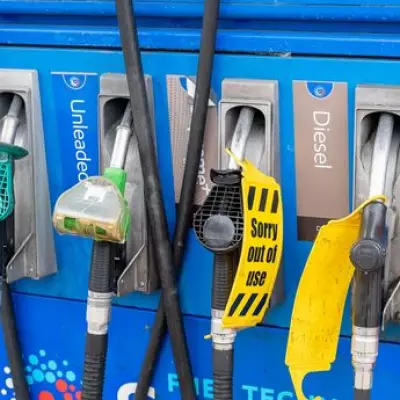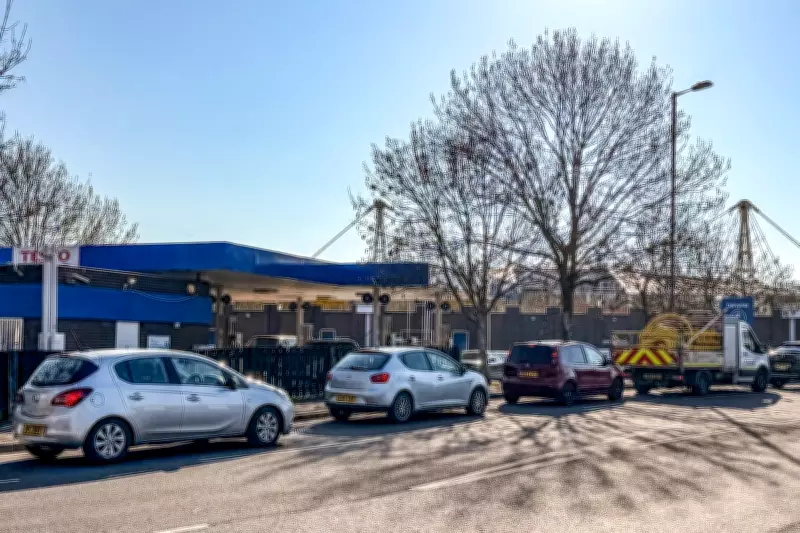
The average price of unleaded petrol has escalated dramatically, increasing by over 14p per litre since late February to reach 147.19p. This significant rise adds approximately £8 to the cost of filling a typical family car, placing additional strain on household budgets across the nation.
Diesel Prices Reach Three-Year Peak
Diesel prices have surged to a three-year high, climbing by 29p to 171.17p per litre. This spike means that a full tank of diesel now costs around £16 more than it did at the onset of the Middle East conflict, further exacerbating financial pressures for drivers and businesses reliant on fuel.
RAC Issues Warning for Easter Travel
The RAC has issued a stark warning, predicting that petrol prices are likely to surpass 150p per litre in the coming weeks, with diesel potentially reaching 180p before the Easter holiday. If these forecasts materialise, it would mark the most expensive Easter period for drivers since early 2022, impacting travel plans and consumer spending.

Impact of Middle East Conflict on Oil Markets
The escalating fuel costs are directly attributed to the ongoing conflict in the Middle East, particularly involving Iran. Oil prices have consistently traded above $100 a barrel, driven by geopolitical tensions and supply disruptions. This sustained high oil price is a primary factor behind the sharp increases at petrol pumps, affecting both individual motorists and the broader economy.
Mortgage Deals Decline Amid Inflation Concerns
Concurrently, the availability of residential mortgage deals has decreased by nearly a fifth, specifically 19.5 per cent, over the past two weeks. Lenders are adjusting their rates in response to shifting inflation forecasts, which are being influenced by global events such as the Middle East crisis. This reduction in mortgage options adds another layer of financial uncertainty for homeowners and prospective buyers.
Broader Economic Implications
The combination of rising fuel prices and tightening mortgage markets underscores the broader economic challenges posed by international conflicts. Households are facing increased costs for essential services like transportation, while access to affordable housing finance is becoming more restricted. These developments highlight the interconnected nature of global events and domestic economic stability.
As the situation evolves, experts urge consumers to monitor fuel prices closely and consider budgeting adjustments to mitigate the impact. The ongoing conflict in the Middle East continues to cast a shadow over economic forecasts, with potential for further volatility in both energy and financial markets.