As households across the United Kingdom continue to grapple with the persistent cost-of-living crisis, finding effective ways to trim energy expenditure remains a paramount concern. Many may not realise that numerous common household appliances continue to draw electricity even when seemingly switched off, operating in a state known as standby mode. However, not all devices are created equal in this hidden energy consumption.
The Prime Culprit: Gaming Consoles
In a detailed investigation, five leading energy specialists were consulted to identify the most significant offenders. Unanimously, all five experts pinpointed the modern games console as the worst energy-sucking device when left on standby. This revelation is particularly pertinent for the millions of households containing avid gamers or families with children, where PlayStation or Xbox consoles are commonplace.
Why Consoles Are So Problematic
Micah Jackson-Sattler, owner and head electrician of Micah Electric Co., asserted that game consoles are "the worst energy-sucking devices" due to their continuous power draw, which "adds up to quite a bit of electricity being used." This sentiment was echoed by Caleb Caviness, an energy specialist and general manager of AryCo, who noted he "commonly" observes gaming consoles "raise bills."

The issue stems from the console's design for convenience. While standby mode allows for quicker wake-up times and background downloads of updates, it means the device remains partially active. Megan Doser, owner of Doctor Fix It Plumbing, Heating, Cooling and Electric, explained that consoles remain partially active to support quick-resume functions, background processing, and network connectivity. Features like cloud save synchronisation and powered USB ports for charging controllers further exacerbate their electricity usage.
The Financial Impact
Martyn Fowler, founder of Elite Renewables, provided a stark financial warning. He highlighted that many individuals leave consoles in rest mode under the mistaken belief they are off, while the devices continue downloading updates, charging controllers, and maintaining connections. "On average, they use around 10 to 15 watts in standby. That could add £30 a year to your bill without you realising," Fowler cautioned.
Nick Barber, co-founder at Prepaid Electricity and Utilities Now, reinforced this point, stating that gaming consoles are "among the devices that consume the most power" even when they appear to be turned off.
Expert Recommendations for Savings
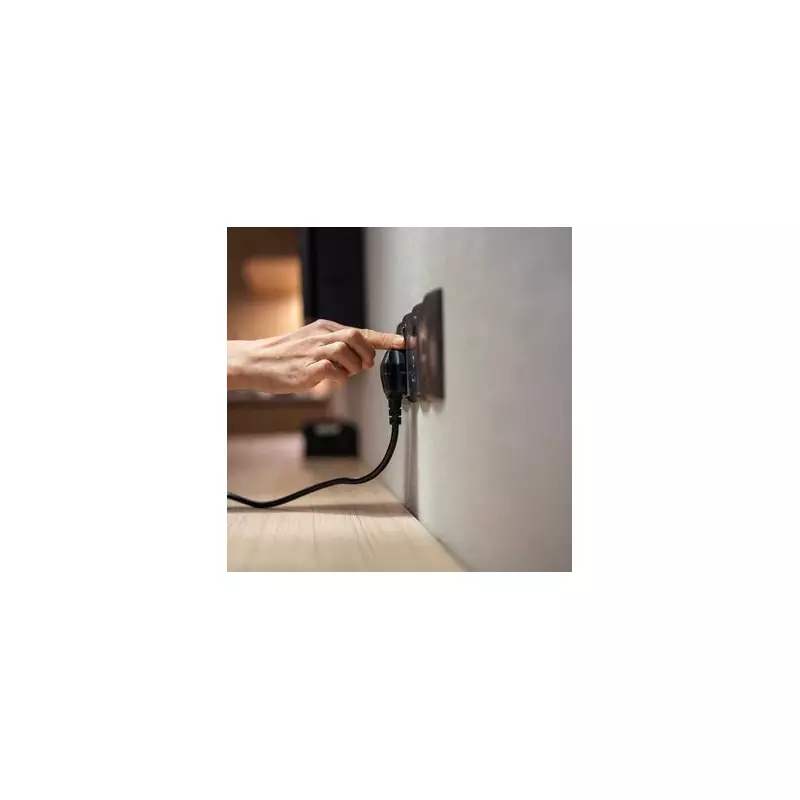
The consensus among all five specialists is clear: to avoid this unnecessary expense, users must take proactive steps. The primary recommendation is to fully shut down the console through its settings menu and, crucially, to switch off the plug at the socket. For maximum savings, physically unplugging the device when not in use for extended periods is advised.
This simple behavioural change, while potentially sacrificing some convenience, represents a direct and effective method for reducing household energy consumption. In an era where every penny counts, addressing the silent drain of standby power from devices like gaming consoles is a practical step towards managing escalating electricity costs.