Hungary will implement a gradual reduction of natural gas supplies to Ukraine until Russian oil deliveries resume through the Druzhba pipeline, Prime Minister Viktor Orbán declared on Wednesday. This move intensifies energy tensions as Ukraine enters its fourth year of conflict with Russia, relying significantly on Hungarian gas imports to meet its energy needs.
Energy Dispute Escalates Over Pipeline Damage
Russian oil supplies to Hungary and Slovakia have been suspended for nearly two months following what Ukrainian officials describe as Russian drone attacks damaging the Druzhba pipeline, which traverses Ukrainian territory. Continuous strikes have endangered technicians attempting repairs, according to Kyiv.
The populist leaders of Hungary and Slovakia have accused Ukraine of intentionally obstructing Russian deliveries. In a social media video posted on Wednesday, Orbán labeled the oil stoppage "Ukrainian blackmail," stating, "As long as Ukraine does not supply oil, it will not receive gas from Hungary." He added that Hungary would redirect the gas to replenish its own reserves.

Ukraine's Dependence on Hungarian Gas
Ukraine imports a substantial portion of its gas through Hungary, accounting for approximately 45% of all gas imports last year, as reported by Ukrainian energy consultancy EXPRO. This figure declined to 38% by January, highlighting the critical role Hungarian exports play in Ukraine's energy security.
There has been no immediate response from Kyiv, and a Hungarian government spokesperson did not comment on requests from The Associated Press. President Volodymyr Zelenskyy expressed reluctance earlier this month to permit continued transit of Russian oil through Ukraine.
Retaliatory Measures and EU Tensions
Orbán's announcement marks the latest in a series of retaliatory actions by Hungary in response to interrupted Russian oil flows. Last week, Orbán, widely regarded as the Kremlin's foremost advocate within the European Union, blocked a 90-billion euro ($106 billion) EU loan to Ukraine over the disruptions. He vowed to veto any further pro-Ukraine decisions until oil deliveries resume.
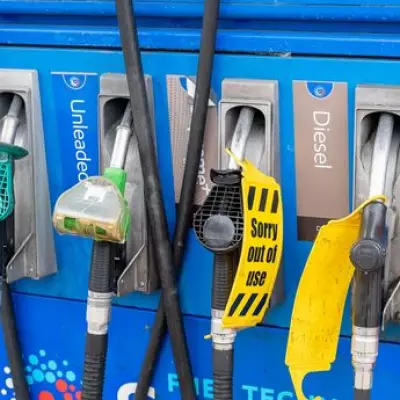
Previously, the Hungarian leader halted diesel shipments to Ukraine and vetoed a new round of EU sanctions against Russia. These steps underscore deepening divisions within the EU regarding support for Ukraine amid the ongoing war.
Political Context and Anti-Ukraine Campaign
As Orbán faces an unprecedented electoral challenge from a center-right opponent next month, he has escalated an aggressive anti-Ukraine campaign, labeling the country Hungary's "enemy." He accuses Zelenskyy of attempting to provoke an energy crisis to influence the April 12 vote.
Additionally, Orbán has deployed military forces to key energy infrastructure sites across Hungary, alleging Ukrainian plots to cause disruptions without providing evidence. Hungary and Slovakia have maintained a temporary exemption from an EU policy banning Russian oil imports since Moscow's invasion of Ukraine in February 2022.
This energy standoff highlights the complex geopolitical and economic interdependencies in the region, with Hungary leveraging its gas exports to pressure Ukraine over oil transit issues, potentially exacerbating Ukraine's wartime energy vulnerabilities.