IEA Proposes Unprecedented Oil Reserve Release to Tackle Price Surge
The International Energy Agency (IEA) is reportedly advancing a proposal for the largest release of oil reserves in its history, aimed at curbing soaring crude prices driven by supply disruptions from the ongoing US and Israel war on Iran. This emergency measure would exceed the 182 million barrels of oil that IEA member countries released across two separate actions in 2022, following Russia's full-scale invasion of Ukraine, according to a report from the Wall Street Journal citing unnamed officials.
Emergency Meeting and Decision Process
Energy officials from the IEA's 32 member states convened for an emergency meeting on Tuesday to deliberate on whether to deploy their emergency petroleum stocks to the market. The proposal has been circulated among these nations, with a decision expected on Wednesday. However, the approval could be delayed if even a single member state objects to the plan, highlighting the collaborative yet cautious nature of the IEA's response mechanisms.
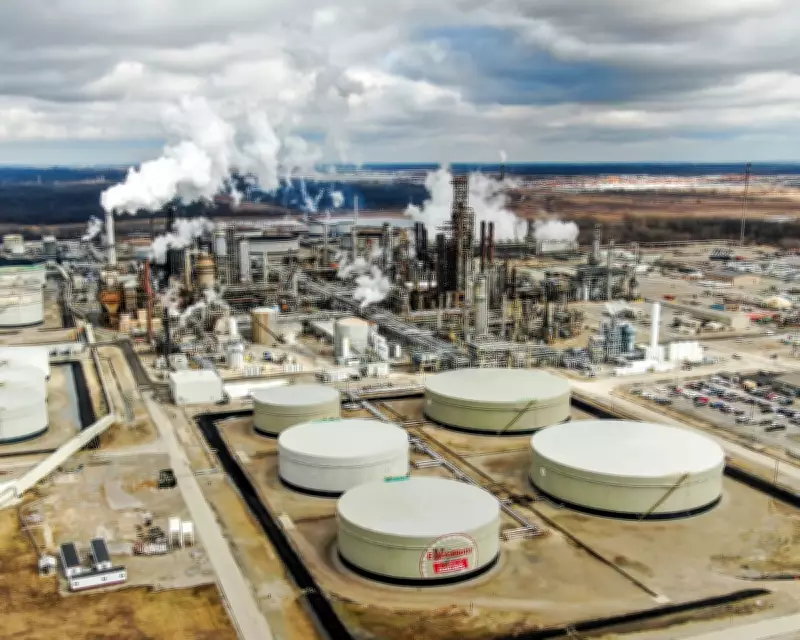
The IEA maintains strategic reserves of petroleum as part of an emergency system established after the Middle East oil crisis in the 1970s. Member countries are mandated to hold at least 90 days' worth of crude supplies in reserve, which can be tapped during supply shocks. Collectively, IEA members possess over 1.2 billion barrels of public emergency oil stocks, supplemented by an additional 600 million barrels held by industry under government obligation.

Market Volatility and Supply Challenges
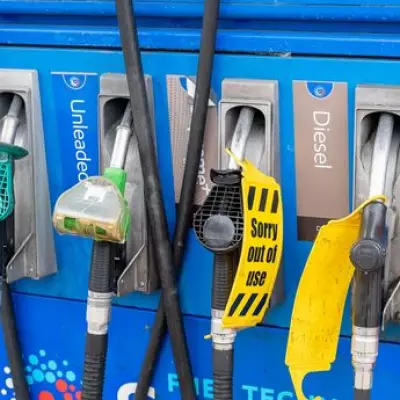
Global oil and seaborne gas shipments have faced significant disruptions for more than a week due to the effective closure of the Strait of Hormuz, a critical shipping lane off the coast of Iran. Approximately one-fifth of global oil and seaborne gas tankers pass through this strait, making it a pivotal artery for energy markets. The price of Brent crude, the international benchmark, has experienced wild fluctuations, briefly surging to $119.50 a barrel on Monday, levels not seen since 2022. On Wednesday morning, the price was reported to have risen from about $87.5 a barrel to above $91, indicating persistent market uncertainty.
G7 Support and Coordinated Efforts
In a related development, the G7 group of leading economies has expressed support, in principle, for using strategic oil reserves to address supply shortages and market volatility. Energy ministers from the seven countries held a remote meeting on Tuesday, joined by the head of the IEA, to discuss potential releases of emergency stocks to stabilise the situation after historic price gains. In a statement, the G7 ministers affirmed their vigilance in monitoring energy market trends and coordination with international partners, including IEA member states and beyond. They endorsed proactive measures, such as the implementation of strategic reserves, to mitigate the crisis.
Despite these efforts, the continued rise in oil prices suggests that markets remain sceptical about whether the proposed reserve release will be sufficient to offset potential supply shocks. The IEA's move represents a critical test of its emergency response capabilities in an increasingly volatile global energy landscape.