Iran Intensifies Pressure on Oil Infrastructure Amid Growing Global Energy Crisis Concerns
Israel and Iran exchanged fire early Wednesday as Tehran ramped up its assault on the region's oil industry, striking a ship in the Strait of Hormuz and targeting critical infrastructure. This escalation has heightened fears of a looming global energy crisis, with Iran effectively halting shipping traffic through the narrow strait, a vital conduit for about one-fifth of the world's oil from the Persian Gulf to the Indian Ocean.
Targeted Strikes on Gulf Arab Nations
Iran's strategy appears aimed at inflicting enough global economic pain to pressure the United States and Israel to cease their strikes. Early Wednesday, Kuwait reported that its defenses had downed eight Iranian drones over the oil-rich nation, while Saudi Arabia intercepted five drones heading toward the vast Shaybah oil field. Additionally, a projectile hit a container ship off the coast of the United Arab Emirates in the Strait of Hormuz.
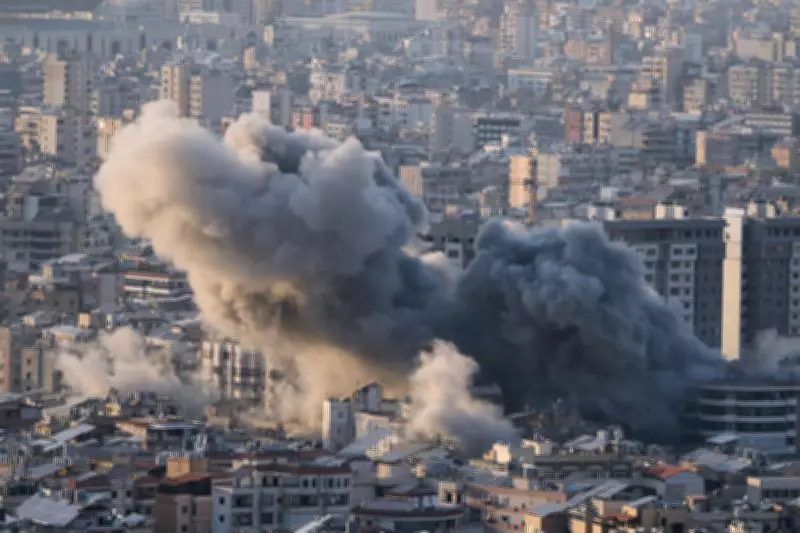
Israel, which initiated the war with the United States on February 28, announced a new wave of attacks on Tehran, following heavy strikes the previous day. Explosions were also heard in Beirut and southern Lebanon after Israel launched an assault on targets linked to the Iran-backed militia Hezbollah.

Humanitarian Toll and Regional Fallout
The attacks set a building ablaze in central Beirut's densely populated Aicha Bakkar area, with no immediate reports of casualties. In southern Lebanon, earlier Israeli strikes killed five people in the Nabatieh district, with two more fatalities in the Tyre and Bint Jbeil districts, according to Lebanon's Health Ministry. A Red Cross worker died from wounds sustained during an Israeli strike while rescuing victims.
Nearly 500 people have been killed in Lebanon since Hezbollah triggered the latest round of fighting by firing rockets into Israel's north after American and Israeli attacks on Iran began. Iran has reported over 1,300 casualties, while Israel has confirmed 12 deaths. The U.S. has lost seven soldiers, with eight severely injured.
Escalating Attacks and Defensive Measures
Iran launched multiple salvoes at Israel and Gulf Arab nations early Wednesday, with sirens heard in Tel Aviv but no immediate casualties reported. Saudi Arabia's defense ministry stated it destroyed six ballistic missiles aimed at Prince Sultan Air Base and intercepted two drones over Hafar al-Batin. The United Arab Emirates reported its air defenses were actively intercepting Iranian fire, with attacks killing six and wounding 122 people there.
Bahrain sounded sirens warning of an incoming Iranian attack, following a strike that killed a 29-year-old woman and wounded eight in Manama. In the Strait of Hormuz, Iran hit a container ship off Ras al-Khaimah, with damage under investigation by the crew, according to a British military monitoring site.
Economic Impact and Global Repercussions
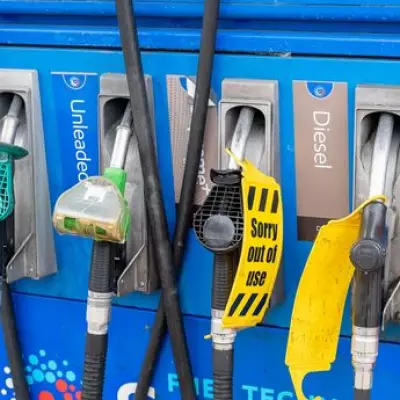
Oil prices remained elevated, with Brent crude up about 20% since the war began, causing pain for consumers worldwide. The spike has rocked financial markets due to fears of prolonged disruptions to oil and natural gas flows. Amin Nasser, CEO of Saudi Aramco, warned that continued blockage of the Strait of Hormuz would severely impact the global economy.
The U.S. military reported destroying 16 Iranian minelayers near the strait, though President Donald Trump noted no confirmed reports of Iran mining the passage, a prospect experts had warned about pre-war.
Exodus of Foreign Nationals
Many foreign nationals have fled the Persian Gulf region since the conflict erupted. The British Foreign Office reported over 45,000 U.K. citizens evacuated, while the U.S. State Department noted around 40,000 Americans returned home. This mass departure underscores the escalating humanitarian and security crisis in the area.