Iran's Threats to Strait of Hormuz Disrupt Global Energy and Food Supplies
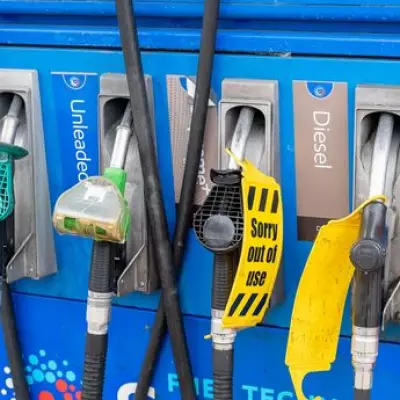
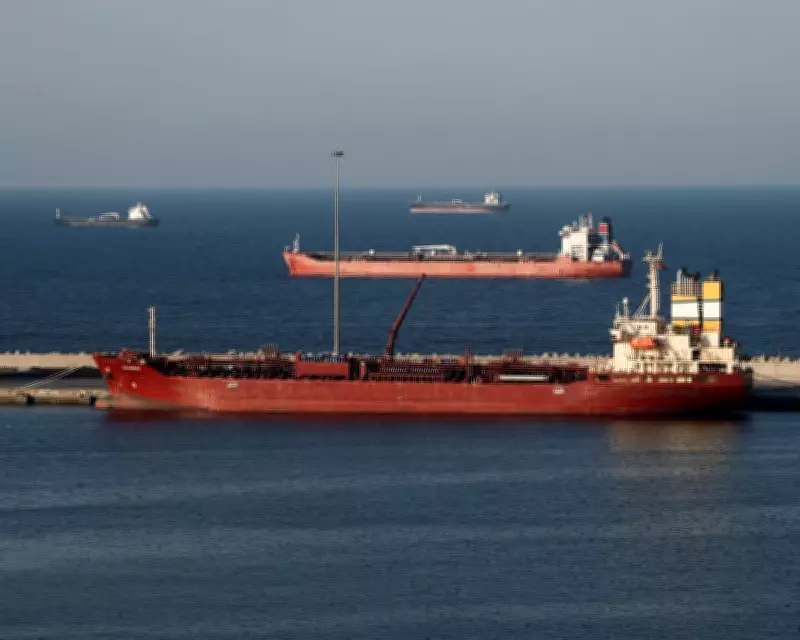
On 7 March 2026, tankers were anchored in Muscat, Oman, as Iran threatened shipping in the Strait of Hormuz, a critical chokepoint for global energy. This escalation in the US-Israeli war against Iran has sent energy markets into turmoil, with Brent Crude Oil prices topping $100 per barrel, nearly matching earlier peaks. The strait handles about one-fifth of the world's shipped oil and liquefied natural gas daily, meaning its shutdown will lead to spiralling household bills for months. However, the economic impact extends far beyond oil prices alone.
Shift in Global Oil Trade and China's Vulnerability
Over the past two decades, energy markets have undergone major changes, with the Gulf now playing a central role. Historically, Gulf crude flowed west to supply the United States and Europe, but rapid industrial growth in China has shifted the trade's centre of gravity decisively towards Asia. China now accounts for roughly one-quarter of global oil imports, mostly from Gulf states, and consumes about 90% of Iran's crude oil exports, often routed through Malaysia to avoid sanctions.
This shift means that conflict in the Gulf, particularly the vulnerability of transit routes like the Strait of Hormuz, poses a major risk to China's energy security. While Beijing can cushion short-term impacts by drawing on its strategic petroleum reserves of 1.1bn to 1.4bn barrels, prolonged disruption could force China to deepen reliance on alternative suppliers, especially Russia. This could reinforce the growing energy partnership between the two countries, drawing US enemies closer together.

Gulf's Role in Global Industry and Food Economy
The surge in trade with Asia has propelled Gulf national oil companies, such as Saudi Arabia's Aramco, to the forefront of the global oil and gas industry, surpassing western rivals in reserves, production, and exports. These companies have diversified into downstream activities, turning crude into refined products like plastics, petrochemicals, and fertilisers, making the Gulf a key supplier of industrial commodities embedded in global manufacturing and agriculture.
Consequently, the Gulf is increasingly connected to the global food economy. Large volumes of fertiliser inputs, including over a third of internationally traded urea and nearly half of global sulphur exports for phosphate fertilisers, move through the Strait of Hormuz. Urea is essential to about half of global crop production, and as shipments falter, fertiliser prices have already risen sharply. If disruptions persist during the northern hemisphere's planting season, farmers will face higher costs, eventually filtering through to global food prices.
Uneven Impacts and Fossil Fuel Dependence
History shows that such shocks rarely fall evenly, with the most vulnerable societies bearing the greatest burden. Rising energy and fertiliser costs cascade through transport, manufacturing, and food systems, hitting poorer households and fragile economies hardest. Countries in the global south that depend on imported fuel, fertilisers, and food are especially exposed, facing rising food costs, balance-of-payments pressures, and potential hunger and famine, deepening existing inequalities.
Beyond these effects, the war exposes a crucial fact about the global energy system: despite decades of discussion about energy transitions, production and trade remain heavily dependent on oil and gas. The Gulf sits at the centre of this system, not only as a crude supplier but also as a hub for refining, petrochemical, and fertiliser industries that sustain global manufacturing and agriculture. This highlights the danger of continued fossil fuel dependence and underscores why transitioning away from them is now more vital than ever.