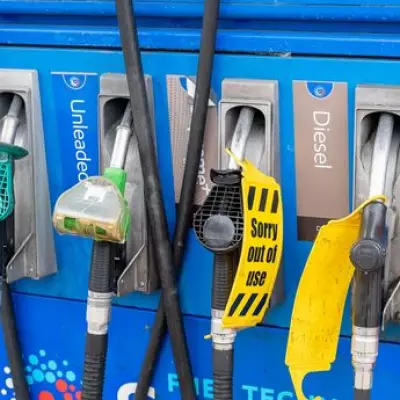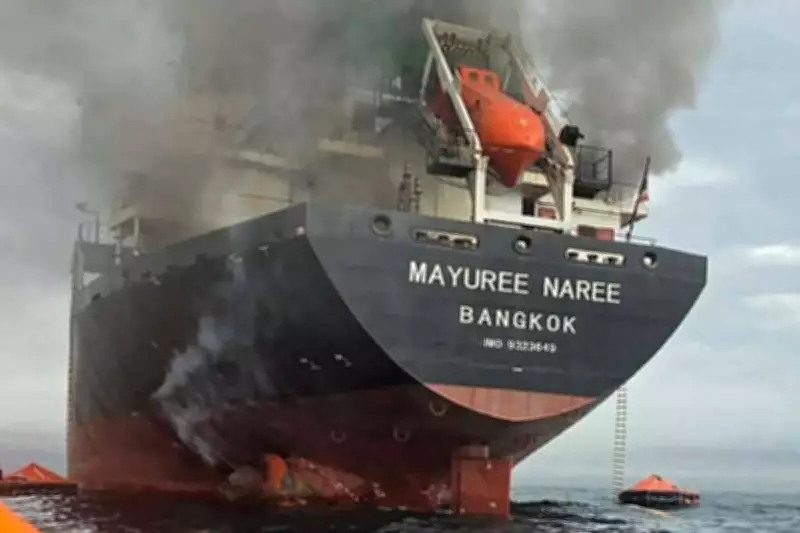
Iran's military command has issued a stark warning that global oil prices could surge to $200 a barrel, citing escalating regional destabilisation as the primary driver. This alarming forecast comes amid a series of attacks on merchant vessels in the Gulf, with three additional ships targeted recently, bringing the total to 14 since the conflict began. A significant fifth of the world's oil supplies remains blockaded in the critical Strait of Hormuz, exacerbating supply chain disruptions and heightening market anxieties.
White House Response and Market Dynamics
In response to the volatile situation, White House Press Secretary Karoline Leavitt has assured Americans that the ongoing war with Iran will ultimately lead to lower gas prices in the long term. Despite initial spikes in oil prices following the outbreak of hostilities, markets have shown signs of easing as investors anticipate a swift resolution brokered by US President Donald Trump. This optimism, however, contrasts sharply with the escalating military actions on the ground.
Escalating Military Strikes and Regional Tensions
Iran has intensified its offensive by launching missiles at multiple high-profile targets, including a US base in Iraq, the US naval headquarters in Bahrain, and strategic locations in central Israel. Additionally, Iran has issued threats against financial institutions, warning of attacks on banks that conduct business with the United States or Israel. These aggressive moves underscore the deepening conflict and its potential to spill over into broader economic and security arenas.

Israeli Stance and Long-Term Implications
Israeli officials, speaking privately, have acknowledged that Iran's ruling system may endure the war, indicating a protracted struggle ahead. They have affirmed that their military operations will continue indefinitely until all strategic objectives are achieved. This stance suggests a prolonged period of instability, which could further strain global oil markets and energy security. The combination of military escalation and economic threats paints a grim picture for near-term stability in the region.
As the conflict rages on, the world watches closely, with the potential for $200 oil barrels looming large. The interplay between military actions, market reactions, and diplomatic efforts will be crucial in determining the trajectory of both the war and global energy prices in the coming months.