As the military conflict between the United States and Iran continues to intensify, global attention is fixed on the soaring price of oil, with mounting fears of a widespread energy crisis. Brent crude prices have spiked dramatically, reaching approximately $120 per barrel. This represents a staggering increase of around 40 per cent since the initial attacks by Israel and the United States on Iran on February 28th, which ignited the ongoing war.
How the Conflict Disrupts Global Oil Supply
In a retaliatory move, Iran has maintained a tight blockade on shipping through the strategically vital Strait of Hormuz. This critical waterway facilitates the transit of one-fifth of the world's oil from the Persian Gulf to international markets. The resulting stranglehold on supply has severely crippled global oil prices and distribution networks.
The Direct Impact on UK Households
So, what does this mean for British consumers? Oil prices, benchmarked globally by North Sea Brent crude, are highly volatile and dictated by supply and demand dynamics. The longer oil prices remain elevated, the harder it becomes for economies to absorb these sharp increases, making it almost certain that individuals will feel the financial strain directly at home.

Beyond the immediate concern of higher heating bills, escalating oil costs drive up manufacturing and transportation expenses. This, in turn, inflates the prices of food, groceries, and a vast array of other goods and services across the board.
"You can never predict the exact timeframe precisely, but, in a worst-case scenario, this could be a matter of weeks, not months," stated US Energy Secretary Chris Wright earlier this week. He cautioned, however, that the prolonged duration of the conflict increases the likelihood that prices will remain stubbornly high even after hostilities potentially subside.
Key Areas Feeling the Financial Pressure
Petrol and Diesel Prices
Iran has drastically slashed its oil output, now producing only a quarter of its pre-war levels. "This represents roughly 3 per cent of the global oil supply lost in a single event. Shockingly, this situation is more severe than the oil supply disruption following Russia's invasion of Ukraine," noted Kathleen Brooks, Research Director at XTB.
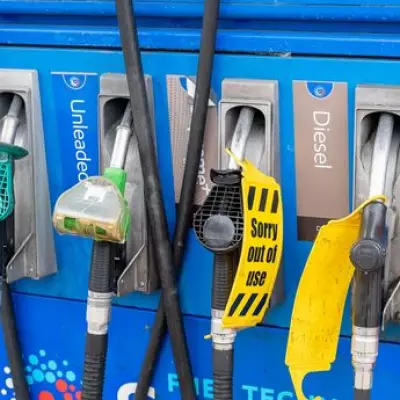
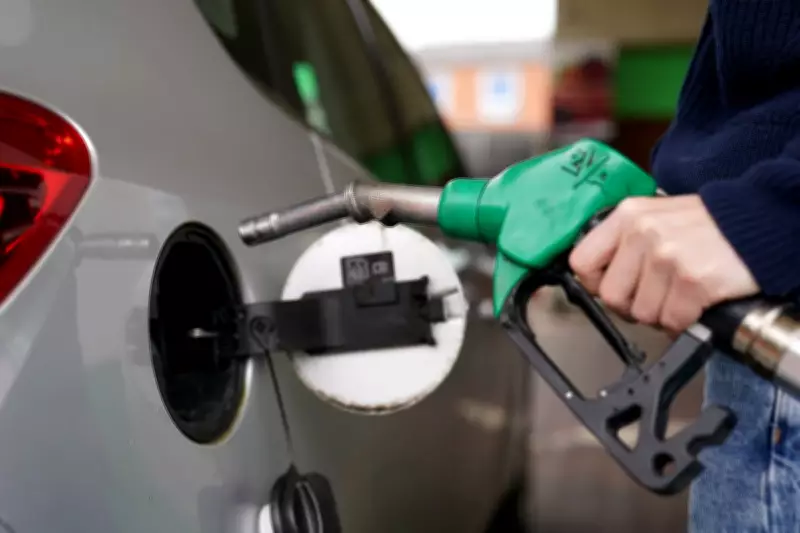
Petrol prices in the United Kingdom have been climbing steadily since the Middle East conflict erupted, increasing by between 4p and 8p per litre to reach their highest point in nearly twenty months. The RAC reported that diesel prices have surged by nearly 9 per cent since February 28th, with petrol prices averaging a 6 per cent increase over the same period.
The UK government has advised drivers to utilise its fuel finder scheme to compare prices at different petrol stations nationwide, a measure also endorsed by the AA. Meanwhile, the cost of heating oil has already doubled, adversely affecting customers who rely on home heating oil, as this fuel type is not regulated by Ofgem's energy price cap.
Inflation and Interest Rate Concerns
While exact figures are not yet available, economic principles dictate that rising costs for energy, raw materials, and labour inevitably lead to higher consumer prices—a phenomenon known as inflation. If prices begin to surge once more, the Bank of England's primary tool to control inflation is to raise interest rates.
"Financial markets are already anticipating the unwelcome return of uncomfortable inflation levels, with bond yields rising significantly and investors viewing the UK as particularly vulnerable to an energy shock," explained Danni Hewson, Head of Financial Analysis at AJ Bell. "Preventing inflation from spiralling out of control will be the paramount concern for rate setters when they convene to reassess the Bank's strategy next week."
"The crucial factor will be the conflict's duration and whether it concludes decisively or if attacks on shipping lanes and energy infrastructure persist beyond any formal declaration of victory by the US president," Hewson added.

Mortgage Market Reactions
An increase in the base interest rate means borrowers with variable-rate deals will pay more on their outstanding loans. In response to the current climate, several major lenders have already raised rates on new fixed-term mortgage products. Institutions including NatWest, TSB, HSBC, Nationwide, Santander, the Co-operative Bank, and Skipton Building Society have implemented such increases within the past week.
Typically, mortgage deals available on the market do not change in direct correlation with the Bank of England's base rate. Instead, they fluctuate in anticipation of future movements, influenced by financial instruments known as swap rates. Until recently, mortgage prices had been on a downward trend, but the new threat of potential interest rate hikes has caused swap rates to edge upwards.
Stock Market and Pension Implications
While inflation and interest rates face upward pressure, the opposite is currently true for the stock market. The FTSE 100 index fell by more than 5 per cent last week following the outbreak of chaos in the Middle East, reflecting investor anxiety and market volatility triggered by the geopolitical crisis.