Japan solemnly marked the 15th anniversary of the catastrophic earthquake, tsunami, and nuclear disaster that devastated its northeastern coast on Wednesday, March 11, 2026. The nation observed a moment of silence at 2:46 p.m., precisely the time the magnitude 9.0 quake struck fifteen years earlier, as Prime Minister Sanae Takaichi led ceremonies in Fukushima to honour the victims and reflect on the ongoing recovery.
A Legacy of Loss and Displacement
The 2011 disaster, one of the worst in Japan's modern history, ravaged coastal regions including Iwate, Miyagi, and Fukushima. It resulted in over 22,000 deaths and forced nearly half a million people to flee their homes, primarily due to tsunami damage. In Fukushima alone, approximately 160,000 residents evacuated because of radiation released from the tsunami-hit Fukushima Daiichi nuclear power plant. Today, about 26,000 of these individuals have not returned, having resettled elsewhere, facing hometowns that remain off-limits, or harbouring lingering concerns about radiation safety.
Infrastructure Rebuilt, Communities Struggle
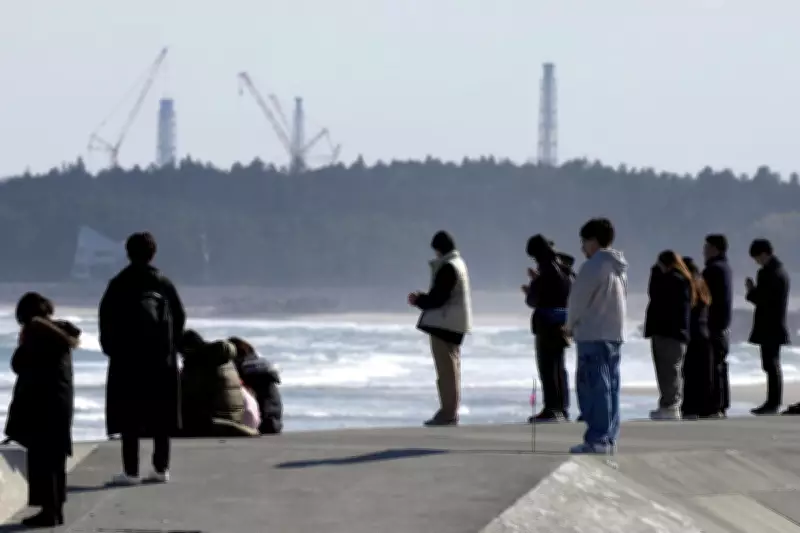
While key infrastructure has been reconstructed since the disaster, the recovery of local communities and economies has progressed slowly. More than 1 million homes, offices, and schools were damaged or destroyed, and many areas continue to grapple with depopulation as people have moved away. Early on the anniversary morning, some residents in tsunami-ravaged areas walked to the coast to pray for loved ones and others whose remains are still missing, underscoring the deep emotional scars that persist.

Takaichi's Nuclear Energy Push Amid Remembrance
At the ceremony in Fukushima, Prime Minister Sanae Takaichi pledged to accelerate the region's recovery within the next five years and to continue sharing "the valuable lessons we learned from the huge sacrifice of the disaster." Concurrently, Takaichi has been advocating for a significant expansion of nuclear energy use, aligning with a major policy reversal in 2022 that ended a decade-long nuclear phase-out plan. She is pushing to restart reactors and bolster nuclear power as a stable energy source, framing it as essential for Japan's energy security and economic stability.
Fukushima Daiichi's Ongoing Challenges
The Fukushima Daiichi plant, which lost power and cooling functions leading to meltdowns in three of its six reactors, remains a focal point of the disaster's legacy. The three reactors contain at least 880 tons of melted fuel debris, with details of their internal state largely unknown due to persistently dangerous radiation levels. Fuller-scale removal of this debris has been delayed until 2037 or later, highlighting the long-term technical and environmental hurdles.
Additionally, decontamination efforts across the area have produced a massive amount of slightly radioactive soil, enough to fill 11 baseball stadiums. The government has pledged to relocate this soil and has explored using some for road construction and other public works projects, but these plans have faced public resistance and ongoing scrutiny over safety concerns.
Balancing Recovery with Energy Policy
As Japan commemorates this sombre anniversary, the dual narrative of remembrance and nuclear advocacy underscores a complex national dialogue. Takaichi's push for more nuclear energy use represents a stark contrast to the disaster's origins, yet it is positioned as part of a broader strategy to ensure energy resilience and support regional recovery. The coming years will test Japan's ability to honour the past while navigating the future of its energy landscape, with the lessons of Fukushima continuing to shape policy and public sentiment.