Lidl to Sell £400 Plug-In Solar Panels: A DIY Energy Revolution Hits UK High Streets
In a bold move to combat soaring energy costs, the UK government has unveiled a major regulatory overhaul that will bring cheap, plug-in solar panels to high street shops within months. This initiative, driven by escalating global energy market turmoil due to Middle East conflicts, aims to slash household electricity bills by making renewable power accessible to all.
What Are Plug-In Solar Panels?
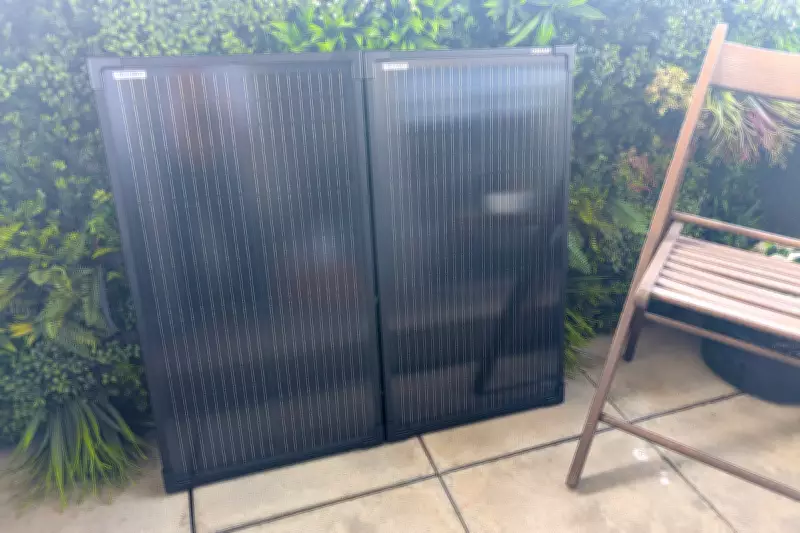
Plug-in solar panels represent a straightforward approach to solar technology. Each kit typically includes one or more lightweight, often foldable solar panels and a microinverter. Designed for ease of use, they require no professional installation. Simply position the panel on a sunny balcony, garden fence, or patio, and plug it directly into a standard 3-pin wall socket.
The microinverter synchronises with your home's electrical grid, ensuring that appliances automatically utilise free, sun-generated power before drawing costly electricity from your supplier. This concept has gained popularity in countries like Spain and Germany, where hundreds of thousands of such devices are used annually. Previously, UK wiring regulations restricted their use without electrician approval, but the government's intervention now removes this barrier.

Potential Savings and Financial Benefits
While a single plug-in panel won't fully disconnect your home from the grid, it can significantly reduce electricity consumption by powering devices such as fridges, Wi-Fi routers, and laptops during sunny periods. According to government estimates, a typical UK household could save between £70 and £110 per year on energy bills.
With an upfront cost of approximately £400, the panel is projected to pay for itself in about four years. Given that these panels have a lifespan of around 15 years, users could enjoy over a decade of pure profit after recouping the initial investment. This contrasts sharply with traditional rooftop solar arrays, which often cost upwards of £6,000 and involve longer payback periods, highlighting the appeal of this plug-and-play model.
Availability and Broader Implications
The Department for Energy Security and Net Zero has confirmed that these DIY solar kits will be available within months. Retailers including Lidl and Amazon, alongside tech manufacturers like EcoFlow, are preparing to stock them, with hopes to launch in time for the summer season. Lidl has praised the regulatory changes, emphasising that the panels will make sustainable living affordable for a wider audience.
This rollout is part of a broader government push towards clean energy, which includes the Future Homes Standard mandating solar panels and heat pumps on new builds from 2028. For those with older properties or rented flats with sunny outdoor spaces, plug-in solar panels lower the entry barrier to renewable energy. If you have £400 to spare and a south-facing area, investing in a personal miniature power plant could be a savvy financial decision this year.