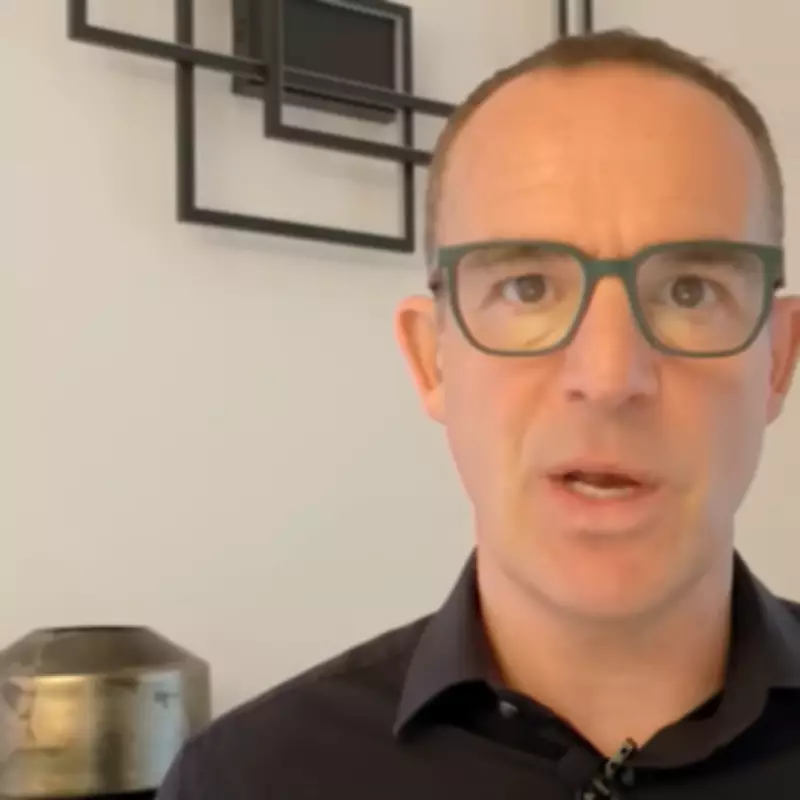
Personal finance expert Martin Lewis has issued an urgent call to action for customers of major energy suppliers, including British Gas, EDF, E.ON Next, Octopus Energy, OVO, and ScottishPower. In a critical update shared via his MoneySavingExpert website and social media, Lewis emphasised that households currently have a "window of opportunity" to lock in savings before a substantial price increase expected in July.
Time-Sensitive Opportunity to Save
Lewis stressed that this marks the first time in a month that consumers can secure deals below the current price cap, which governs default tariffs for most households in England, Wales, and Scotland. "GET OFF THE PRICE CAP IF YOU CAN. DON'T IGNORE THIS," he wrote in a social media post, adding clarification for those uncertain about their tariff status. "There's a window of opportunity to lock in prices below the current Cap to avoid the huge hike coming in July."
Responding to Criticism
When challenged about potential scaremongering, Lewis defended his advice, stating: "I always say get off the price cap. Yet right now it's the first time you can do it and save in a month." He urged sceptics to read his detailed explanation on the MoneySavingExpert platform, where he outlined specific conditions and timelines.

Geopolitical Factors Driving Price Increases
The urgency stems from significant wholesale gas price increases, reportedly up 70% following conflict in the Middle East. The Bank of England has described the situation as creating "a major supply shock," while the International Monetary Fund warned that resulting energy price spikes could push UK inflation toward 4%—double the central bank's target—adding further pressure to household budgets.
Iran's tightening control over the strategic Strait of Hormuz has disrupted oil and gas supplies, leading to a US blockade of Iranian ports despite a fragile ceasefire. These developments have created volatility in energy markets that directly affects consumer prices.
Limited Window for Action
In his latest MoneySavingExpert post, Lewis noted: "The cost of fixing has dropped since the Middle East ceasefire announcement, but that may start to unravel, so the window of opportunity may close." He advised consumers to act immediately to secure fixed rates below the April price cap, which most default customers are on whether they realise it or not.
"This is crucial if you want certainty your rate can't rise, as the Cap is predicted to jump 14% on 1 July," Lewis explained. He highlighted that availability and pricing of fixed deals depend on individual circumstances including region, usage patterns, and payment methods, making comprehensive market comparisons essential.
Practical Steps for Consumers
Lewis specifically mentioned an exclusive 15-month fixed deal from EDF that remains available until Wednesday, describing it as market-competitive. He recommended using whole-market comparison services to identify deals that offer even marginal savings over current capped rates, with significantly greater benefits expected from July onward.
Widespread Misunderstanding of Tariffs
During a recent public appearance, Lewis demonstrated widespread confusion about energy tariffs. When asking audience members about their tariff status, only about one-third indicated being on fixed or specially chosen rates. However, when he asked who was on price-capped tariffs, few additional hands were raised—despite the reality that most default customers in Great Britain are automatically placed on capped tariffs.
"If you're in England, Wales, or Scotland and aren't on a fix or special tariff, you are by definition on a tariff covered by the Price Cap," Lewis clarified, suggesting many consumers remain unaware of their actual tariff arrangements.
Political and Economic Context
As Prime Minister Keir Starmer works to ensure free navigation through the Strait of Hormuz, international tensions continue influencing energy markets. US President Donald Trump has criticised the UK's energy strategy, urging increased North Sea oil extraction. Meanwhile, Chancellor Rachel Reeves has condemned military actions without clear exit strategies, highlighting the complex geopolitical landscape affecting energy security and pricing.

Bank of England Governor Andrew Bailey, speaking ahead of IMF meetings, acknowledged the significant economic shock represented by current events, noting implications for both monetary policy and financial stability. This broader context underscores the importance of consumer action during this limited opportunity period before anticipated July price increases take effect.