Martin Lewis Issues Critical Energy Advice Ahead of April Price Cap Adjustment
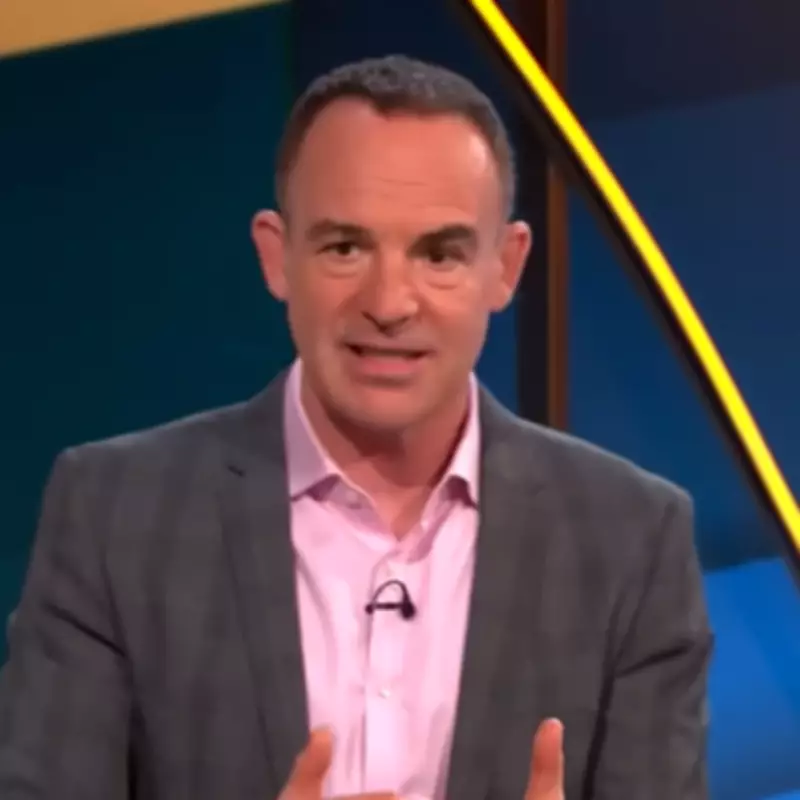
Financial guru Martin Lewis has delivered urgent guidance for British households concerned about the prospect of escalating energy costs. The money-saving expert appeared on ITV's This Morning to outline practical steps consumers can take to protect themselves from potential price surges.
Global Tensions Fuel Energy Market Volatility
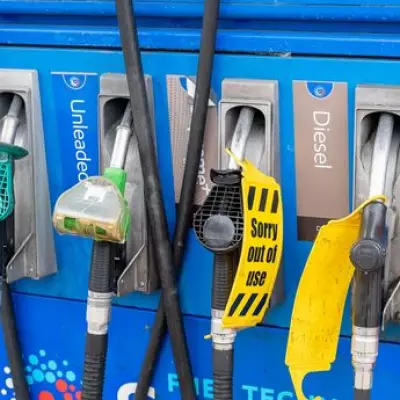
The context for this advice stems from significant geopolitical developments affecting global oil markets. Recent military strikes by the United States and Israel against Iran have triggered substantial increases in petrol and oil prices worldwide. Iran, which accounts for approximately four percent of global oil production, has responded with counter-attacks throughout the Gulf region.
More critically, Iran has effectively closed the Strait of Hormuz, a vital maritime chokepoint for oil transportation. These escalating tensions have raised serious economic concerns, with the Office for Budget Responsibility warning that the situation could drive inflation up by at least one percentage point this year.

The Impending Ofgem Price Cap Change
Against this backdrop, Ofgem's energy price cap is scheduled for adjustment on April 1. This regulatory mechanism sets a maximum limit on what suppliers can charge per unit of energy and for standing charges for customers on standard variable tariffs. From April 1 to June 30, the cap will stand at £1,641 annually for a typical household.
However, Martin Lewis emphasized that this figure represents a ceiling, not a guarantee of stable pricing, especially given the current market volatility driven by international conflicts.
The "Safe Thing to Do" for Worried Households
"If you are risk averse, as in you are very worried about what's going to happen if prices rise, then the safe thing to do is lock in on a cheap fix where bills can't rise," Lewis explained during his television appearance.
He elaborated that consumers should specifically seek fixed tariffs that are currently cheaper than the upcoming price cap. "You really want to lock in on a cheap fix that is currently cheaper than the price cap," he stressed.
The financial expert revealed that while fixes were available at 14 percent below the price cap just two weeks ago, before the current crisis began, the cheapest options now are approximately 7 percent cheaper for most consumers. He noted that prepayment meter customers are unfortunately excluded from these particular deals.
Navigating Comparison Site Limitations
Lewis provided crucial technical advice for consumers searching for these advantageous fixed tariffs. He warned that most comparison websites hide tariffs from suppliers that don't pay them commission, which includes some of the cheapest available options.
"So you either need to go to one that's whole of market by default, or if not, you need to look for a little tick box you'll find somewhere lower down on the page that says 'show all tariffs'. Tick that, and you might find a fix that's cheaper than the price cap," he instructed viewers.
He reminded consumers that the price cap itself will decrease on April 1, making the comparison slightly more complex but no less important.
A Balanced Approach to Energy Decisions
While advocating for fixed tariffs as the safest option for anxious households, Lewis acknowledged potential market shifts. "However, if this were all to end in a couple of weeks and wholesale rates were to drop down, there would then probably be cheaper fixes than are available now," he conceded.
This creates a calculated decision point for consumers: lock in current below-cap rates for price certainty, or gamble on potential future decreases if geopolitical tensions ease rapidly. For those particularly concerned about budget stability amid uncertain international developments, Lewis's recommendation remains clear—secure a cheap fixed tariff before April's changes take effect.
The advice comes at a critical juncture for household finances, with energy costs representing a significant portion of monthly expenditures for millions of British families already grappling with broader cost-of-living pressures.