Miliband's Nuclear Acceleration Plan Sparks Environmental Concerns
Ed Miliband, the UK's energy secretary, has announced a comprehensive strategy to expedite nuclear power generation by reducing regulatory hurdles, costs, and bureaucratic processes by the end of next year. The government asserts that these changes, to be implemented this year, will create a "win-win" scenario, facilitating critical infrastructure development while safeguarding nature and the environment.
Regulatory Overhaul and Industry Backing
The initiative involves adopting recommendations from the Nuclear Regulatory Taskforce review, led by former Office of Fair Trading chief John Fingleton. This review highlighted the need to reform an "overly complex" and "bureaucratic" system that prioritised process over safety outcomes. Miliband emphasised the urgency, citing the Middle East conflict as a driver to move "further and faster" towards clean energy and reduce dependence on volatile fossil fuels for enhanced energy security.
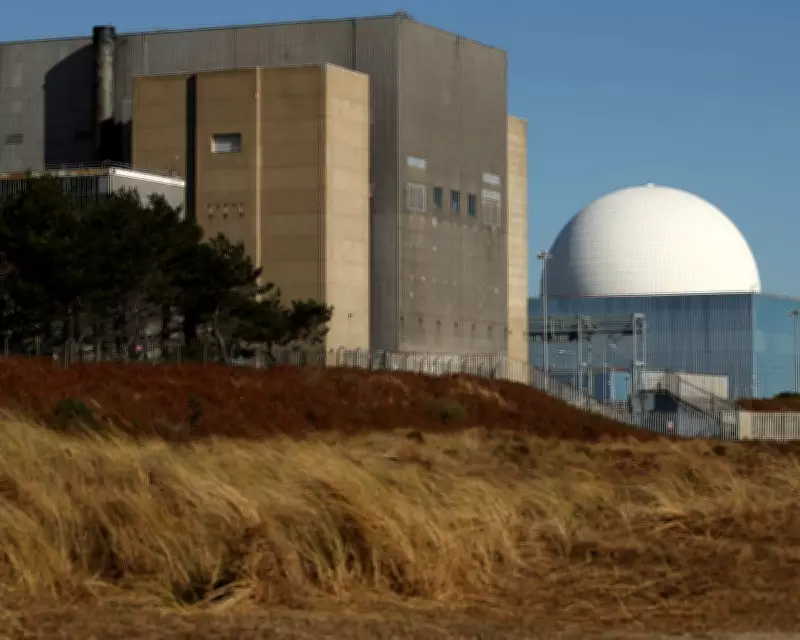
In June, Miliband launched a £14.2 billion programme to construct a new nuclear power station, including significant investment at Sizewell C on the Suffolk coast, and to promote small modular reactors (SMRs). Environment Secretary Emma Reynolds recently provided regulatory justification for Rolls-Royce's plan to pioneer SMR construction in the UK. The government claims that regulatory reforms will streamline future approvals for such mini-nuclear plants.

Criticism from Environmental Experts
Despite government assurances, ministers face sharp criticism for what opponents label "irresponsible deregulation." Alexa Culver, a top environmental planning lawyer at RSK Wilding, argued that ecologists and environmental specialists were excluded from shaping the proposals, risking nature degradation. She pointed to scandals in the water industry as evidence that simplified regulations without proper checks can be manipulated, missing an opportunity to embed resilience into industrial strategy.
Government and Union Support
Chancellor Rachel Reeves defended the plan, stating that nuclear power is essential for national resilience, energy security, and economic growth. The government aims to transition to a "proportionate, risk-focused, evidence-based" regulatory system that effectively protects biodiversity. Additionally, the plan includes training over 500 doctoral students in nuclear studies over four years and backing seven research programmes with £65.6 million in new funding, matched by industry partners.
Charlotte Brumpton-Childs, national officer for nuclear at the GMB union, endorsed the move, highlighting nuclear power's role in achieving energy independence and net zero goals, with union members prepared to support construction nationwide.
Broader Context and Future Implications
The Nuclear Regulatory Taskforce was established by Keir Starmer in February to dismantle "archaic rules" and boost construction. Starmer accepted its recommendations in December, intending to integrate this approach into the government's wider industrial strategy. As the UK pushes forward with its nuclear ambitions, balancing speed with environmental safeguards remains a contentious issue, with debates likely to intensify as implementation progresses.