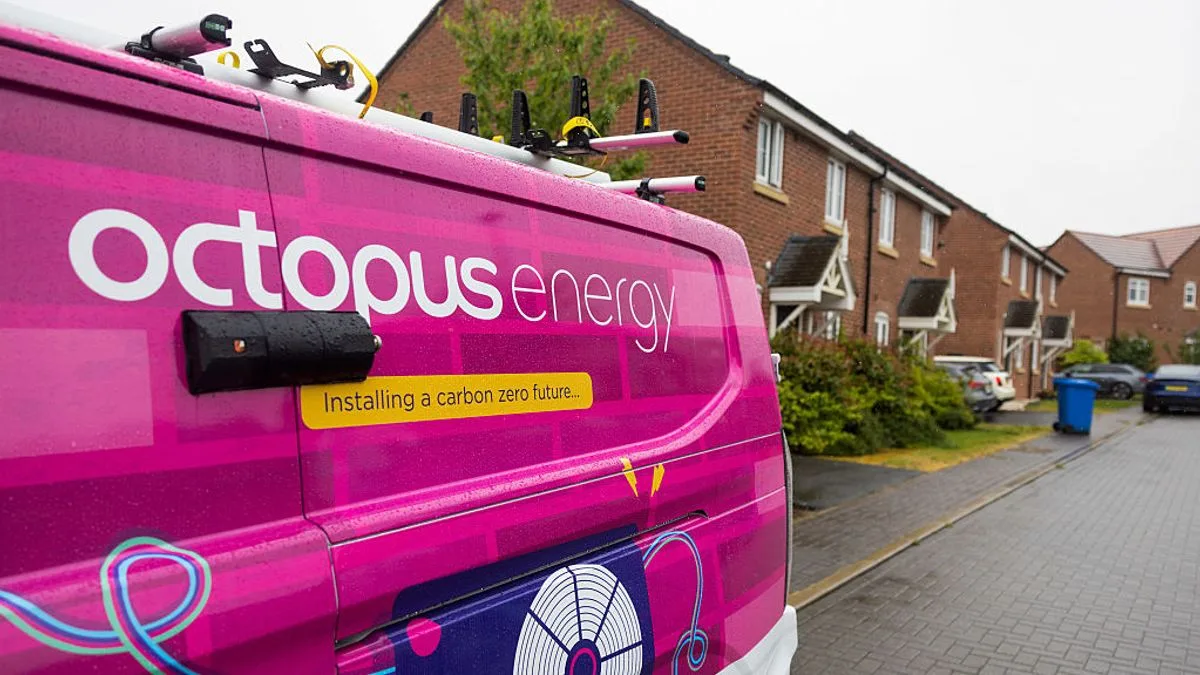
Octopus Energy is advising customers across the UK to adopt a specific daily habit in a bid to combat soaring utility costs. The energy supplier suggests that households keen on reducing their monthly outgoings should aim to use significant amounts of electricity between midnight and 4pm.
The Logic Behind the Time-Based 'Rule'
On its dedicated energy-saving webpage, which promises potential savings of over £500, Octopus explains the reasoning. The company stresses that "timing is key" for cost-conscious consumers. It highlights that during the overnight and daytime window from 12am to 4pm, a greater proportion of the UK's electricity is generated from renewable sources like wind and solar.
This period also aligns with times of lower general demand on the national grid. For customers on specific tariffs, this can translate directly into lower prices. "If you're on a day/night tariff, you can use the cheaper night-time rate for overnight washes or EV charging," Octopus notes, pointing to a direct financial perk.
Who Actually Benefits from This Advice?
It is crucial to understand that this guidance is not a one-size-fits-all solution. The potential savings hinge entirely on the type of energy plan a household is using.
Customers on a standard flat-rate tariff pay the same price for electricity at all hours, so shifting usage time won't affect their bill. The real savings are unlocked for those on time-of-use tariffs, such as Economy Seven or dynamic tariffs facilitated by a smart meter.
These plans feature cheaper off-peak hours, typically at night (e.g., midnight to 7am), when grid demand is lowest. Conversely, peak hours with higher rates usually occur in the mornings (7am-9am) and evenings (4pm-7pm) when everyone is home and using power.
Is Midnight to 4pm Always the Cheapest?
Octopus's suggested timeframe contains a mix of rate periods. While midnight to the early morning (e.g., 2am-5am) is often the absolute cheapest "super off-peak" period, the latter part of the window can be more complex.
Morning hours around 8am-10am are frequently peak times. By 4pm, when peak rates often begin, costs can rise significantly. Therefore, the advice is best interpreted as front-loading high-energy tasks into the early part of the day and overnight, rather than using electricity indiscriminately right up to 4pm.
Practical Steps to Maximise Your Savings
To effectively cut costs, households need a strategic approach. First, check your energy bill to confirm your tariff type and the exact off-peak hours assigned by your supplier.
Next, shift the use of high-energy appliances like washing machines, dishwashers, tumble dryers, and electric vehicle chargers to your confirmed off-peak times, using built-in timer functions where possible. Actively avoid running these during the expensive peak evening period.
Experts suggest that time-of-use tariffs only yield substantial savings if you can move at least 40% of your electricity consumption into cheaper periods. This requires a conscious change in habits, such as scheduling laundry overnight or using an air fryer at lunchtime instead of the evening.
For personalised advice and to compare different tariff options, consumers are encouraged to contact their energy supplier directly or use Ofgem-accredited comparison services.