Beyond Fuel: How Oil Shortages Threaten Plastics, Medicine and Food
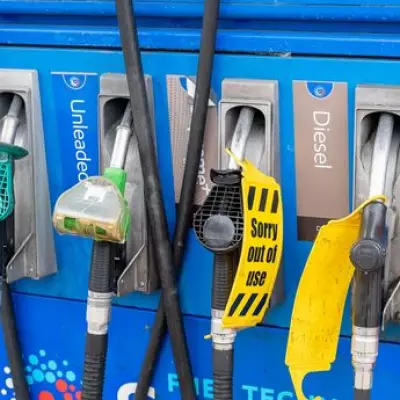
When tensions rise in the Middle East, most people immediately worry about gasoline prices at the pump. However, disruptions to global oil supplies could have far more extensive consequences than just higher transportation costs. Crude oil serves as the fundamental raw material for thousands of essential products that modern societies rely upon daily, from plastics and fertilizers to clothing fibers, medicines and electronic components.
The Chemical Foundation of Modern Society
As a complex mixture of hydrocarbons, crude oil undergoes refining processes that transform it into smaller chemical building blocks known as petrochemicals. These include critical compounds like ethylene, propylene and benzene, which manufacturers then convert into more complex forms. These materials become the foundation for plastics, solvents, synthetic rubber and countless other industrial materials that shape contemporary life.
While fuel production represents the majority of oil consumption, approximately 10% to 20% of crude oil is dedicated to creating petrochemical feedstocks. These feedstocks form the hidden foundation of modern economies, enabling large-scale agriculture, advanced healthcare systems and global manufacturing supply chains that most consumers rarely consider when filling their vehicles.

Plastics: The Invisible Backbone of Modern Life
One of the most visible uses of oil is plastic production. Scientists link individual petrochemical molecules to form polymers, creating materials like polyethylene, polypropylene and polystyrene. These plastics appear in countless essential products:
- Food packaging and water bottles
- Medical equipment including syringes and IV bags
- Electronics casings and household appliances
- Automotive parts and construction materials
- Wind turbines, solar panels and electric vehicle components
Even technologies designed to reduce carbon emissions depend on petrochemical-derived plastics, creating a complex interdependence between environmental solutions and the very fossil fuels they aim to replace.
Agriculture and Food Security Implications
Oil and natural gas play a critical role in global food production through fertilizer manufacturing. Modern fertilizers rely on nitrogen compounds like ammonia, produced through the Haber-Bosch process using hydrogen typically derived from natural gas or other fossil fuels. These fertilizers dramatically increase crop yields and replenish soil nutrients, without which global food production would be substantially lower.
Petrochemicals also contribute to agricultural systems through pesticide and herbicide production, as well as plastics used in irrigation systems and farming equipment. A disruption in oil supplies could therefore ripple through food supply chains, affecting both availability and pricing of essential commodities.
Everyday Consumer Goods and Healthcare
Beyond plastics and agriculture, petrochemicals permeate daily life through synthetic fabrics like polyester, nylon and acrylic used in clothing, carpets and furniture. Petroleum-derived ingredients stabilize formulas and extend shelf life in cosmetics and personal care products, including lotions, shampoos and lipsticks.
In healthcare, petroleum-derived chemical intermediates are essential for manufacturing pharmaceuticals, medical tubing, sterile packaging and disposable gloves. These materials help hospitals maintain sterility and safety standards, making them indispensable for modern medical practice.
The Strategic Importance of Shipping Routes
The Strait of Hormuz represents one of the world's most critical oil shipping corridors, with approximately one-fifth of global petroleum liquids passing through this narrow waterway between Iran and Oman daily. Energy analysts have long warned that disruptions here could send shockwaves through global markets.

If conflict or political tensions interrupt shipping through the Strait, oil prices would rise rapidly, affecting not only transportation fuels but also petrochemical industries that depend on steady supplies of crude oil and natural gas liquids as raw materials. Manufacturers could face higher production costs that would eventually translate to increased prices for consumers across multiple product categories.
Seeking Sustainable Alternatives
While the modern world remains deeply dependent on oil for both energy and materials, concerns about climate change and plastic pollution are driving research into alternatives. Scientists are developing bio-based plastics from plant materials, improving recycling technologies, and exploring new methods for producing fertilizers with lower carbon emissions.
For now, however, disruptions to oil supply chains threaten to affect far more than just gasoline prices. The consequences extend to the very products that underpin modern society, from the food we eat and medicines we rely on to the clothes we wear and technologies we use daily. When news headlines focus on Middle Eastern tensions, the real impact may be felt across global supply chains in ways most consumers never anticipated.