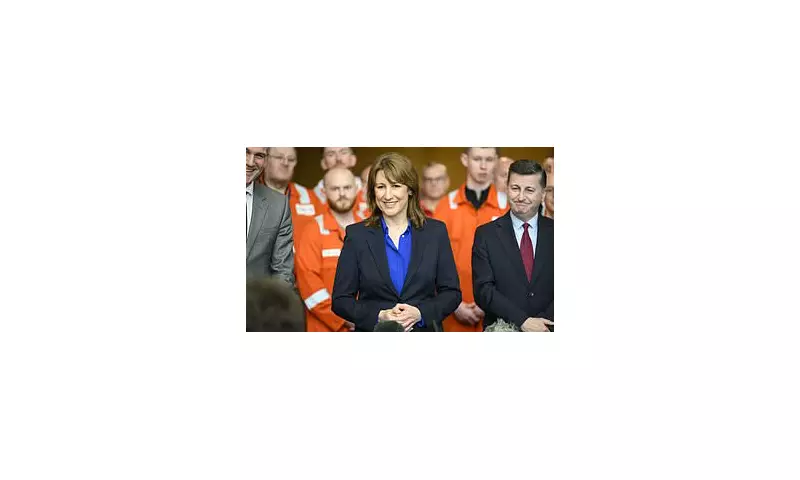
Chancellor Rachel Reeves has been accused of being 'in total denial' after she flatly rejected a report warning that Labour's energy policies are causing significant job losses in the North Sea.
Dismissal of Damning Report
During a visit to Grangemouth, Ms Reeves was asked if she believed recent findings from Robert Gordon University, which indicated that around 1,000 jobs per month were being lost from the UK's oil and gas sector. The report, highlighted by industry bodies, links the decline to the Energy Profits Levy (windfall tax) and the government's stance against new drilling.
Ms Reeves replied dismissively: "No, I don't." Her response was immediately supported by Scottish Secretary Douglas Alexander, who interjected to note the figures were "not a Government figure."

Industry Backlash and Accusations
The Chancellor's remarks triggered a furious reaction from sector representatives and political opponents. David Whitehouse, chief executive of Offshore Energies UK, stated that the job losses were painfully real for communities and were driven by government policy.
"The job losses are real – just ask my neighbours, friends and colleagues – but they are not inevitable," Whitehouse said. "Let's be clear, the North Sea's decline is policy-driven and reversing this trend is within the government's control." He urged Ms Reeves to meet with him to discuss the crisis.
Douglas Lumsden, the Scottish Conservative energy spokesman, accused the Chancellor of "destroying Scotland's oil and gas sector" and being detached from reality. "Workers will be furious that she cannot accept the damage being done by her reckless decision to keep the windfall tax in place," he said.
Budget Defence and Grangemouth Announcement
The confrontation occurred as Ms Reeves was in Grangemouth, near Falkirk, to announce a £120 million UK Government support package. The funding aims to keep Britain's last ethylene plant operational, safeguarding 500 direct jobs for five years.
When pressed repeatedly by journalists about the impact of the 78% Energy Profits Levy (EPL), which Labour plans to maintain until 2030, Ms Reeves initially snapped that the exchange was not a conversation. After being prompted three times, she eventually argued that 70% of the job losses occurred in the decade before the EPL was introduced by the previous government.
The ongoing dispute underscores the deep tension between the government's green transition goals, its fiscal policies, and the immediate economic concerns of the North Sea energy workforce.