Chancellor of the Exchequer Rachel Reeves has declared that a landmark contract to advance the UK's first mini nuclear reactors is "more important than ever" in light of the escalating Middle East crisis. The Chancellor emphasised that driving forward nuclear power was "always the right thing to do," but current global volatility underscores its critical importance.
Contract Signing and Immediate Start
The Government-owned firm Great British Energy – Nuclear (GBE-N) announced the deal with a company owned by engineering giant Rolls-Royce on Monday. This agreement allows work to commence immediately on creating three small modular reactors (SMRs). These compact nuclear power stations are designed to be installed on site as prefabricated modules, with the technology expected to be constructed more rapidly than traditional plants like Hinkley Point C.
Energy Security and Price Stability
The Government asserts that this project will bolster UK efforts to deploy clean power, which it argues will reduce prices and enhance energy sovereignty. This development comes as UK households and businesses grapple with surging costs, driven by the ongoing Iran conflict which has inflated global fossil fuel prices.

Speaking after the ceremonial contract signing at the Treasury on Monday, Rachel Reeves stated: "In the context which we are today, it shows how important a contract like this, technology like this, is. If we can produce more homegrown electricity here in the UK, that takes us off the rollercoaster of global oil and gas prices. If we have greater control over the energy that we need here at home, it makes us less vulnerable in the face of shocks like we're seeing at the moment. And so this was always the right thing to do but in the world in which we live today, where there is less security and there is more volatility, this deal is more important than ever."
Projected Impact and Job Creation
The Government has indicated that the three SMRs should generate sufficient low-carbon electricity to power approximately three million homes, with operations expected to begin by the mid-2030s. Additionally, the project is projected to support around 3,000 jobs at the peak of construction, along with thousands more across the supply chain.
Ceremonial Signing and Key Figures
Ms Reeves' remarks followed a ceremonial signing at the Treasury between Simon Roddy, chief executive of GBE-N, and Chris Cholerton, chief executive of Rolls-Royce SMR. Mr Roddy also inked a contract with Oliver Holbourn, chief executive of the National Wealth Fund, which plans to invest up to £599 million to support the subsequent design phases of the SMRs.
Shift from Underinvestment
This push for new nuclear capacity represents a significant departure from decades of underinvestment in the UK's nuclear sector, which has resulted in ageing infrastructure as older plants near the end of their operational lifespans.
Energy Secretary's Perspective
Energy Secretary Ed Miliband, who also attended the signing, stated that reducing the UK's exposure to volatile fossil fuel markets is the "unavoidable lesson of this war." He added: "That is why this Government is doubling down, not backing down, on our clean power mission, drive for renewables and nuclear. We're ending years of delay with the biggest nuclear building programme in half a century from Sizewell C to this first fleet of SMRs."
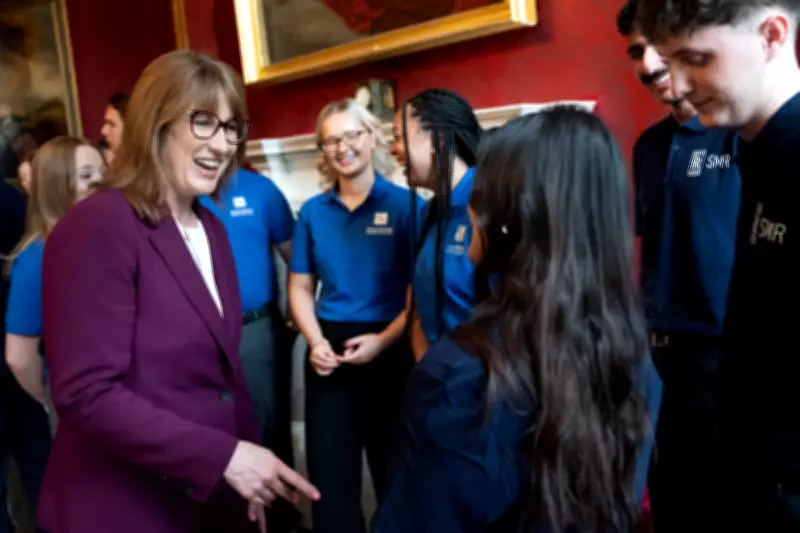
The Chancellor and Energy Secretary also met with apprentices from both GBE-N and Rolls-Royce SMR during the event. Mr Miliband remarked: "Hope for the future is what I think this project can provide. It brings hope to communities seeing investment to those areas. I can see the hope in the young apprentices that we have here. And building clean power meets the hopes of parents and grandparents who want to know we're doing the right thing for future generations."
Background and Future Steps
The Government selected Rolls-Royce SMR as the preferred partner for delivering modular reactor technology in June last year following a competitive process. Ministers allocated £2.6 billion for the programme and later announced that the first SMR nuclear power station would be constructed at Wylfa in North Wales by GBE-N.

Since June, Rolls-Royce has collaborated with GBE-N to finalise the contract, which mandates that both parties deliver the project against a series of key milestones. This process will initiate with site-specific design, regulatory engagement, and planning procedures, before a final decision is made to approve the capital investment required to proceed with construction.
Addressing Criticisms
Over the years, critics have highlighted nuclear power's high costs and protracted construction timelines, as well as concerns regarding the disposal of nuclear waste. However, the Government's current initiative aims to address these challenges through innovative SMR technology and strategic investment.