Hungary's New Leader Magyar Vows Reform After Landslide Victory Over Orbán
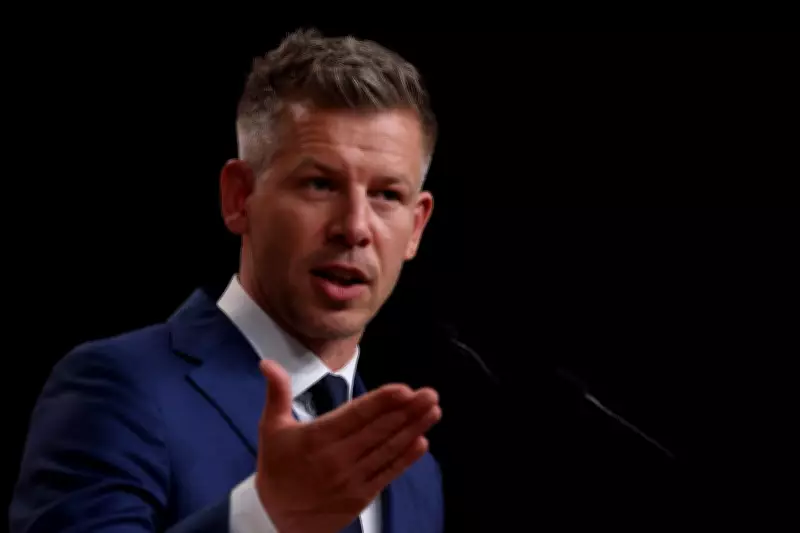
Hungarian voters have delivered a seismic shift in the nation's political landscape, overwhelmingly rejecting pro-Russian Prime Minister Viktor Orbán in a recent election. Péter Magyar, a pro-European reformer, achieved a decisive victory with his Tisza party, securing a commanding two-thirds parliamentary majority by winning 138 out of 199 seats. This outcome marks a dramatic departure from Orbán's 16-year tenure, which was characterised by autocratic governance and a gradual erosion of the rule of law.
A Pledge to Overhaul Political Culture
In his victory speech, Magyar pledged to fundamentally transform Hungary's political culture, steering the country away from its drift towards Russia and mending fractured relationships with European allies. His ambitious agenda focuses on restoring democratic norms and transparency, which he argues have been severely compromised under Orbán's leadership. Magyar emphasised that his administration will prioritise accountability and integrity in public office, aiming to rebuild trust both domestically and internationally.
Key Initiatives and Economic Reforms
Magyar's plans include a robust anti-corruption drive, with the establishment of an Office for the Recovery of National Assets to reclaim misappropriated funds. This move is expected to unlock billions in frozen European Union funding, which had been withheld due to concerns over democratic backsliding and corruption under Orbán. Additionally, Magyar has committed to introducing the euro as Hungary's currency by 2030, a significant step towards deeper integration with the European Union and stabilising the nation's economy.

Implications for Europe and Beyond
The election result signals a potential realignment in Central European politics, with Hungary poised to re-engage constructively with EU institutions and NATO allies. Magyar's victory could influence regional dynamics, encouraging other nations to reassess their ties with Russia and strengthen European unity. As Hungary embarks on this new chapter, the focus will be on implementing reforms that address long-standing issues of governance and economic stability, setting a precedent for democratic renewal in the region.