China and Pakistan Issue Nuclear Warning to Israel Over Iran Conflict
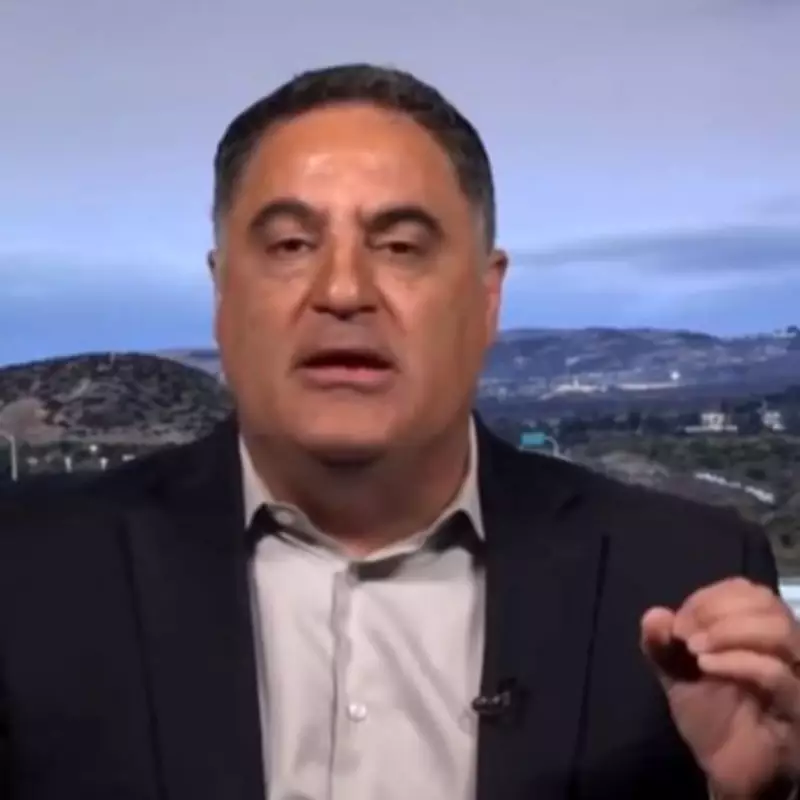
Political commentator Cenk Uygur has issued a stark warning that China and Pakistan have threatened to launch nuclear strikes against Israel if it carries out atomic attacks on Iran. This alarming development places the world on what Uygur describes as "the brink of a nuclear holocaust," highlighting the severe escalation in Middle Eastern tensions.
Ceasefire Agreement Amid Rising Nuclear Rhetoric
The threats emerged shortly after the United States and Iran accepted a Pakistani-mediated ceasefire agreement. This deal, announced last night, will see the Strait of Hormuz reopened and all attacks halted for a two-week period. It comes almost six weeks after initial US and Israeli strikes targeted Tehran, marking a fragile pause in hostilities.
Cenk Uygur stated during an appearance on Piers Morgan Uncensored: "China and Pakistan have said that if Israel nukes Iran, they will nuke Israel. So here we are on the precipice of a nuclear holocaust because this baboon [Trump] is in office." His comments underscore the dangerous geopolitical dynamics at play.

Shocking Israeli Television Exchange Fuels Concerns
The nuclear threats follow a disturbing panel discussion on Israel's Channel 14, which featured National Security Minister Itamar Ben‑Gvir. During the broadcast, journalist Shimon Riklin raised the possibility of using a neutron bomb against Iran, stating: "Why aren't we using what's called an atomic neutron bomb in Iran? It's a type of atomic bomb that doesn't damage buildings, it kills people in a limited way everywhere."
Ben‑Gvir, who has previously faced sanctions for inciting violence against Palestinian communities, responded by nodding and laughing, urging Riklin to continue speaking. The minister later remarked, "I'm a member of the inner cabinet, the responsibility on me is immense," as the discussion turned to reports of Israel using unconventional weapons near the Strait of Hormuz.
Diplomatic Efforts and Trump's Deadline
The two-week ceasefire was agreed just ninety minutes before former US President Donald Trump's deadline for Iran to reopen the Strait of Hormuz was set to expire. Pakistan's Prime Minister Shehbaz Sharif had urgently appealed to Trump, requesting an extension to allow diplomatic efforts to proceed.
In a post on X, Sharif wrote: "I earnestly request that President Trump extend the deadline for two weeks. Pakistan, in all sincerity, requests the Iranian brothers to open Strait of Hormuz for a corresponding period of two weeks as a goodwill gesture. We also urge all warring parties to observe a ceasefire everywhere for two weeks to allow diplomacy to achieve conclusive termination of war, in the interest of long-term peace and stability in the region."
Trump subsequently announced on Truth Social that he agreed to suspend bombing and attacks on Iran for two weeks, based on conversations with Pakistani leaders and Iran's commitment to reopening the strait. This diplomatic intervention has temporarily averted further military escalation, but the underlying nuclear threats from China and Pakistan continue to cast a shadow over regional stability.
The situation remains highly volatile, with global powers now entangled in a potential nuclear standoff. The international community watches closely as the ceasefire period unfolds, hoping for a peaceful resolution to prevent catastrophic conflict.