Shell Annual Profits Slump by More Than a Fifth Following Oil Price Collapse
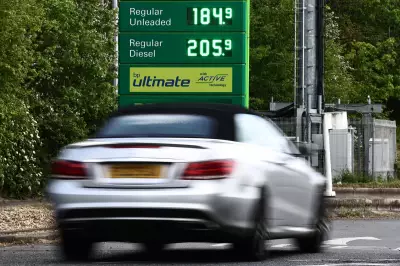
The oil and gas giant Shell has revealed a significant 22% decline in its full-year underlying earnings, dropping to 18.53 billion US dollars (£13.6 billion) for 2025. This substantial profit hit comes directly after the cost of crude oil tumbled by 19% throughout the year, marking a record-breaking third consecutive annual decline.
Quarterly Performance Hits Multi-Year Low
Shell's financial results showed particular weakness in the final quarter of 2025, with adjusted profits plunging 40% quarter-on-quarter to just 3.26 billion dollars (£2.39 billion). This figure not only fell below most analyst expectations but also represents the company's lowest quarterly profit performance in nearly five years, dating back to the first three months of 2021.
The energy multinational attributed the disappointing results to multiple factors beyond the weaker oil price environment. Unfavourable tax adjustments and difficult trading conditions within its troubled chemicals division further compounded the financial challenges faced by the FTSE 100 listed company.

Shareholder Returns Amid Market Disappointment
Despite the heavy profit decline, Shell announced another substantial 3.5 billion dollars (£2.7 billion) of share buybacks to be completed during the first quarter of the current year. This move comes alongside a 4% increase in the company's dividend, marking the seventeenth consecutive quarter of at least three billion dollars in buyback programmes.
However, these shareholder return initiatives failed to appease investors, with Shell's shares falling by more than 2% during morning trading following the announcement. Market analysts described the full-year profit outcome as a clear disappointment, reflecting the volatility currently affecting global energy markets.
Oil Market Dynamics and Price Recovery
The profit slump follows a year dominated by geopolitical conflict, higher tariffs, and rising supply from oil producers worldwide. Brent crude dropped below 60 dollars a barrel last month for the first time in almost five years, though prices have since recovered slightly to just over 68 dollars per barrel.
Shell's chief financial officer Sinead Gorman indicated that the group expects oil prices to stabilise within a range of 65 to 70 dollars per barrel moving forward. This forecast comes amid what Shell chief executive Wael Sawan described as "a softer macro environment" during the fourth quarter, though he emphasised that cash delivery remained solid despite lower earnings.
Global Energy Landscape and Strategic Positioning
The results emerge as oil majors worldwide reconsider ventures in Venezuela following political developments involving US President Donald Trump and Venezuelan leader Nicolas Maduro. Shell confirmed it maintains an interest in Venezuela through the Dragon gas field, in which it holds 46.5% ownership alongside Trinidad & Tobago's national gas company.
Ms Gorman stated that Shell continues to monitor the Venezuelan situation closely as a potential trading opportunity, while ensuring full compliance with regulations and US sanctions. Meanwhile, the company is adopting more conservative capital expenditure approaches, guiding for investment between 20 and 22 billion dollars this year to underpin shareholder returns.
Richard Hunter, head of markets at interactive investor, summarised the challenging environment: "The volatility of the oil price inevitably had an effect as tepid demand and oversupply put a dampener on any price progress." This sentiment reflects broader concerns within the energy sector as companies navigate fluctuating commodity prices and evolving global market conditions.