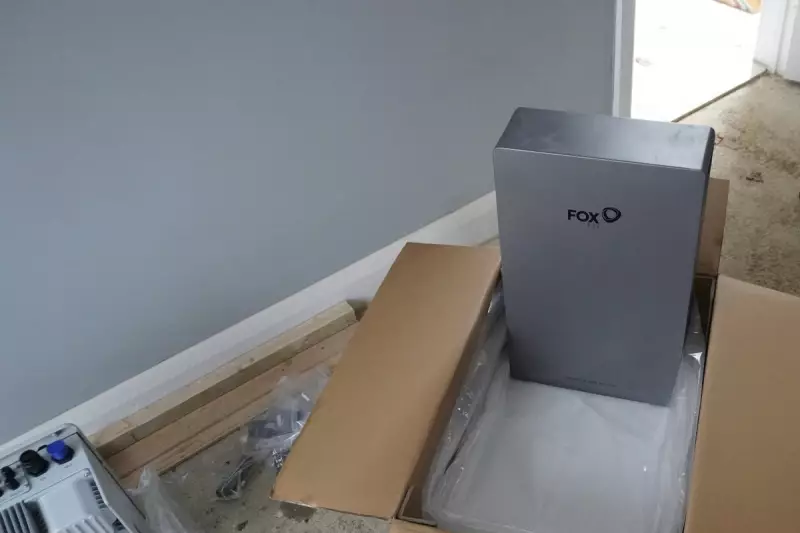
For UK homeowners considering solar panels, the question of adding battery storage is becoming increasingly common. These large lithium-ion units, which use technology similar to electric vehicles, allow you to store surplus solar energy generated during the day for use at night, charge from the grid during off-peak periods, and even provide backup power during outages.
Understanding Solar Battery Costs and Practicalities
The financial outlay is a primary consideration. Solar batteries typically cost between £2,500 and £6,000, with brand and capacity being key factors. Installation adds approximately £3,000 if done separately, though combining it with a new solar panel installation is often more economical.
Lloyd Greenfield, founder of solar panel installer Glow Green, notes the technology suits certain lifestyles: "Batteries are definitely suited to people who typically use their energy in the evening. So if you're a high daytime consumer, it might be a faster payback, actually, without the battery."

Functionally, a solar battery charges from your panels or the grid, with an inverter converting its power to the 230v used by your home. Available capacities typically range from 5 to 14 kilowatt-hours (kWh), and systems can be expanded. They usually come with a 10-year guarantee but can often last longer.
Is The Investment Worth It? Calculating The Maths
Determining value hinges on the cost per stored unit of energy over the battery's lifespan. This is complex, as batteries gradually lose capacity rather than failing abruptly. However, a practical calculation provides insight.
Taking the Duracell Dura5 system as an example, guaranteed for 10 years and 10,000 cycles, the maths works out. The 5.12kWh unit, usable to 90% capacity, costs £2,280 (excluding fitting). Over its guaranteed life, it can store 46,080kWh. This equates to a storage cost of roughly five pence per kWh.
This is compelling. It means stored solar energy—free to generate—costs just 5p/kWh, far below the current price cap. Furthermore, pairing a battery with a cheap overnight tariff (as low as 7.5p/kWh) means buying and storing power for just 12.5p/kWh, significantly under standard daytime rates.
Key Advantages and Important Considerations
The benefits of adding a battery are multifaceted:
- Maximised Self-Consumption: Store excess daytime solar power instead of exporting it, then use it during expensive peak evening hours.
- Reduced Bills & Carbon Footprint: Rely less on grid electricity, especially during peak pricing periods.
- Backup Power: Depending on setup, maintain essential power during outages.
- System Efficiency: Better management of energy flow can improve overall solar system performance.
- Smart Grid Participation: Potential to earn money by selling stored power back during high demand.
However, several caveats exist. The calculated 5p/kWh cost excludes installation, which could double the effective storage price. Warranties are typically time-based (e.g., 10 years), not cycle-based, so lower usage extends life but may not improve financial payback within the guarantee period.
Mr. Greenfield suggests a realistic lifespan is "circa 15 years, maybe 20, depending on quality." The average UK home uses about 2,700kWh annually, so over 10 years, usage is roughly half the battery's potential throughput in our example, affecting the per-unit cost if it fails after the guarantee.
Export tariffs also complicate the equation. If you can sell surplus solar energy for 15p/kWh and buy it back later at 27p, the 12p difference may not justify the battery's storage cost. High-usage households with electric vehicles or heat pumps will typically gain more value.
Installation, Sizing, and Choosing an Installer
Selecting the right size is crucial. Most homes use 8-10kWh daily, so a 4-10kWh usable capacity battery is often adequate. Larger homes or those with EVs may need 10-15kWh. Oversizing can be inefficient, as the battery may never fully charge.

Installation by a qualified professional is essential, usually taking a day. They will site the battery in a dry, ventilated area like a garage, connect it to your inverter (or install a hybrid model), and set up monitoring software. Always choose an MCS-certified installer and seek quotes from RECC or HIES members for added consumer protection.
The return on investment varies, but a battery can reduce electricity bills by 20-50%. Payback periods typically range from 8 to 12 years when paired with solar panels, potentially shortened by rising energy prices or smart export schemes. Beyond finances, the investment boosts energy resilience, cuts carbon emissions, and can increase property value.
In summary, a solar battery is a significant but increasingly viable investment. It is best suited to households with high evening consumption, larger solar arrays, or those wanting to maximise independence from the grid and lock in long-term energy savings.