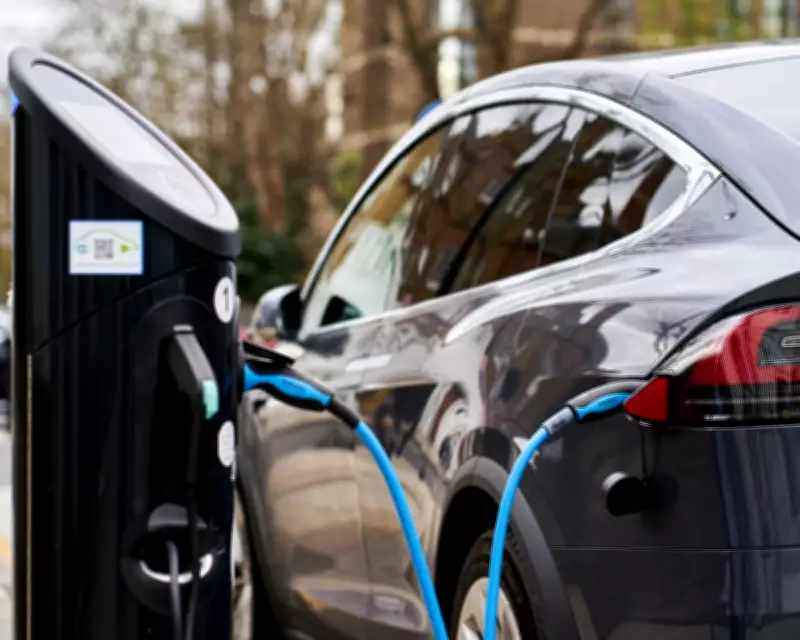
Superfast EV Charging Rollout Faces Significant Delays
The ambitious plans to deploy ultra-rapid electric vehicle (EV) charging stations across the United Kingdom have been put on hold, according to recent industry reports. This pause is primarily driven by two critical factors: severe constraints on the national electricity grid and the prohibitively high costs associated with installing the necessary infrastructure.
Grid Capacity Emerges as a Major Bottleneck
Experts highlight that the current electrical grid in many regions lacks the capacity to support the high-power demands of superfast chargers, which can deliver a full charge in under 30 minutes. Upgrading the grid to accommodate these needs involves extensive and time-consuming work, including new substations and reinforced power lines. This logistical challenge is slowing down the expansion of charging networks, particularly in rural and underserved areas where grid infrastructure is already strained.
Financial Hurdles Compound the Problem
In addition to grid issues, the financial burden of establishing ultra-rapid charging points is proving to be a significant barrier. The installation costs for these high-powered units are substantially higher than for standard chargers, often requiring substantial investment from both public and private sectors. With budget constraints and competing priorities, many stakeholders are reconsidering the pace of deployment, opting instead to focus on more cost-effective solutions in the short term.

Implications for the UK's Net-Zero Ambitions
This delay poses a serious threat to the UK's commitment to achieving net-zero carbon emissions by 2050. Widespread adoption of electric vehicles is a cornerstone of this strategy, and the availability of fast, reliable charging infrastructure is crucial to encouraging consumers to make the switch from petrol and diesel cars. Without rapid progress in this area, the transition to electric mobility could be hampered, potentially derailing environmental targets.
Industry and Government ResponsesKey players in the energy and automotive sectors are calling for coordinated action to address these challenges. Proposals include:
- Accelerating grid modernization projects to increase capacity.
- Introducing government subsidies or incentives to offset installation costs.
- Exploring alternative technologies, such as battery storage systems, to alleviate grid pressure.
Meanwhile, policymakers are under pressure to revise strategies and allocate resources more effectively to ensure that the EV charging network can meet future demand.
Looking Ahead: A Balanced ApproachWhile the pause in superfast charging rollout is a setback, it may prompt a more sustainable and scalable approach to EV infrastructure. By addressing grid limitations and cost concerns now, the UK could build a more resilient charging network that supports long-term growth in electric vehicle adoption. The focus is shifting towards integrating smart charging solutions and prioritizing investments in areas with the greatest need, ensuring that the transition to electric transport remains on track despite current obstacles.