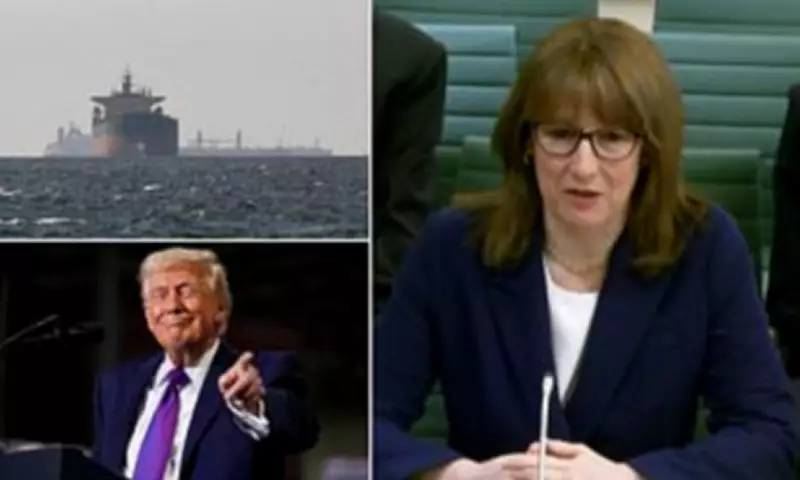
The UK government is actively preparing for a severe 'worst-case scenario' in which the ongoing Middle East crisis continues to escalate and rage on for several more months. According to confidential internal analysis, this prolonged turmoil could drive global oil prices as high as $150 per barrel if the intense fighting persists until at least May, with natural gas costs also expected to spike dramatically.
Contrasting Scenarios for Energy Markets
Bloomberg reports that ministers have been presented with a starkly different 'best case' scenario, where the conflict de-escalates and concludes within days. In this optimistic outlook, oil prices would stabilise below the $100 per barrel threshold. However, Iran has been openly boasting that its aggressive actions, including blockading the critical Strait of Hormuz and launching attacks on neighbouring nations, possess the potential to push costs toward a staggering $200 per barrel.
Immediate Financial Impact on Households
The Resolution Foundation has issued a stark warning that if oil prices remain at the elevated levels witnessed this week, the typical annual household energy bill could surge by approximately £500 when the price cap is adjusted in July. This increase would more than completely negate the effect of existing government subsidies, which are scheduled to reduce costs by £117 annually starting next month.

In response to these pressures, Shadow Chancellor Rachel Reeves is facing mounting calls to provide direct cash payments to struggling families if she proceeds with any bailout package, rather than channelling support through energy suppliers via subsidies.
Market Volatility and Government Response
Oil prices crept upwards again today, hovering around $100 per barrel, despite G7 nations announcing an unprecedented coordinated release of strategic reserves into the global market. Chancellor Rachel Reeves has emphasised that it is premature to make definitive decisions but has clearly stated her readiness to assist households if costs begin to significantly impact consumers.
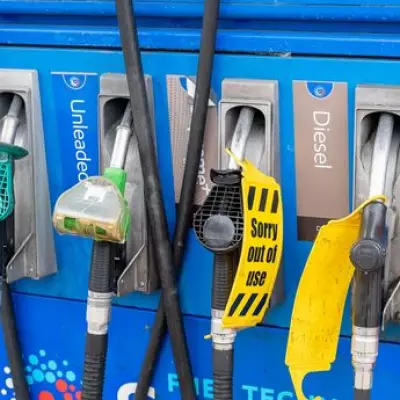
She is also confronting demands to abandon a planned fuel duty increase scheduled for September, given the recent spike in pump prices. The Resolution Foundation elaborated, stating, 'If the highs we observed on Tuesday were sustained, the energy price cap would increase by roughly £500, undoing and then some the £117 reduction arriving in April due to government policy.'
Think-Tank Analysis and Policy Recommendations
A research note from the Institute for Fiscal Studies (IFS) think-tank indicated that while a potential bailout would not need to match the scale of the estimated £48 billion package deployed during the Ukraine war in 2022, the UK's current borrowing situation is considerably more precarious.
The IFS paper highlighted that most previous support came in forms such as substantial energy price subsidies, fuel duty tax cuts, and a universal £400 rebate on energy bills. However, the IFS team argued this approach disproportionately benefited wealthier households and failed to provide adequate 'incentives to cut back on energy use.'
They advocated for the government to utilise detailed data on incomes and energy consumption to identify and assist those most urgently in need. 'More targeted cash payments, that do not distort energy prices, would help the government deliver support where it is needed in a more cost-effective manner,' the IFS concluded.
Political Tensions and Policy Uncertainty
During a heated Prime Minister's Questions session yesterday, Tory leader Kemi Badenoch repeatedly warned Labour leader Sir Keir Starmer that now is not the time to advance plans imposing higher costs on drivers. She asserted that spiralling pump prices, ignited by the Iran conflict, are already causing 'sleepless nights' for many motorists.
In what appears to be paving the way for another policy reversal, a visibly flustered Prime Minister stated, 'Fuel duty is frozen. It's going to remain frozen until September and we will keep the situation under review in light of what's happening in Iran.'

This followed Chancellor Reeves expressing reluctance to scrap the fuel duty hike when questioned by MPs on the Commons Treasury committee. Ms Reeves remarked, 'I'm very loath to spend government money on something that the market should be doing itself and that's why greater competition and greater transparency about pricing is so important.'
Nevertheless, she left room for a potential about-turn, adding broadly that the Iran conflict is 'certainly not good for the British economy to have trade disrupted' by the crisis. Despite former US President Donald Trump suggesting the war on Iran is 'very complete,' there is little indication the regional turmoil is abating. The IFS also pointed out that the oil price surge observed so far has been notably smaller than the dramatic spike experienced in 2022.