UK Motorists Face Surging Fuel Costs as Middle East Conflict Escalates
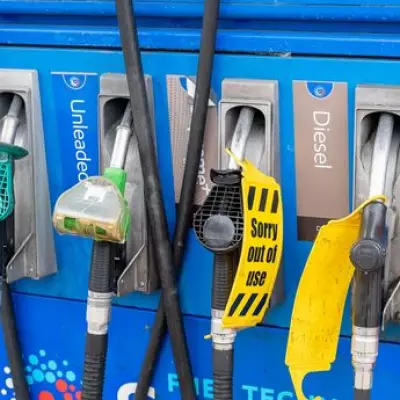
British drivers have witnessed a sharp increase in petrol prices over the past ten days, following the outbreak of war between the US-Israel alliance and Iran. This surge is directly linked to rising oil costs, which have sparked widespread concern among consumers and industry experts alike.
How Drivers Can Save Hundreds of Pounds Annually
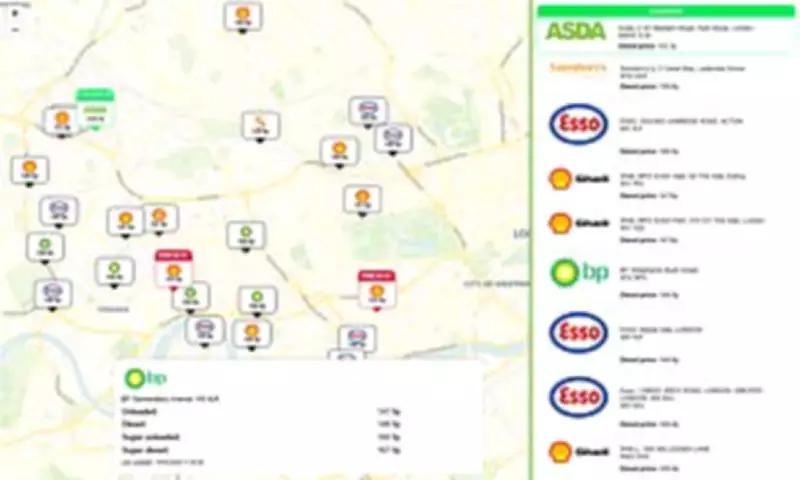
Despite the challenging economic climate, motorists can still achieve significant savings by utilising a real-time fuel price map. This innovative tool, developed with live data from 15 major fuel companies including Tesco, Asda, Sainsbury's, and BP, enables users to locate the cheapest petrol stations in their vicinity.
Research conducted since the tool's launch last year indicates that the average driver could save approximately £10 per fill-up. Over a year, this translates to nearly £200 in savings, simply by switching to a station offering fuel at 20p less per litre—a typical price differential between the cheapest and most expensive pumps in any given area.

Oil Price Volatility and Market Reactions
The conflict has propelled oil prices above $100 per barrel for the first time since 2022, significantly impacting wholesale fuel costs. Since February 28, the average price of petrol at UK forecourts has risen by 5p to 137.5p per litre, while diesel has increased by 9p to 151.0p per litre.
However, Brent crude prices experienced a notable decline this morning, dropping more than 8 percent to just under $91 per barrel. This shift followed comments from US President Donald Trump suggesting the war with Iran might conclude soon. Financial markets responded positively, with the FTSE 100 Index rising 1.6 percent shortly after opening.
Expert Analysis and Consumer Advice
Analysis by the Energy and Climate Intelligence Unit highlights the historical correlation between oil and fuel prices. According to their findings, oil trading at $100 per barrel typically results in petrol prices of 150p per litre, while $120 per barrel could push prices to 170p per litre.
AA president Edmund King has urged drivers to consider reducing non-essential journeys and adopting more fuel-efficient driving styles to conserve money. "The longer this conflict goes on, the more effect it will have on the cost of oil," King stated. "Our suggestion is that drivers should not change their refuelling habits but can consider cutting out some non-essential journeys and changing their driving style to conserve fuel."
RAC head of policy Simon Williams echoed these concerns, noting that average petrol and diesel prices have "rocketed" in recent days. "Unleaded is almost certainly going to reach an average of 140p in the next week or so, while diesel looks highly likely to climb to at least 160p a litre," Williams warned.
Government Response and Policy Considerations
Downing Street has clarified that the AA's advice regarding journey limitations is not linked to any fuel supply shortages. A spokesperson for the Prime Minister explained, "I understand those comments are more about consumer advice to save money rather than any suggestion that we are low on supply."
In response to the crisis, Chancellor Rachel Reeves faces mounting pressure to scrap a planned 5p increase in fuel duty scheduled for September. The government maintains that all taxes are under continuous review, with decisions made during budget announcements.
Market Outlook and Future Predictions
Financial experts caution that oil prices and markets will remain volatile despite today's improvements. Susannah Streeter, chief investment strategist at the Wealth Club, remarked, "Given that the fighting is continuing and the key Strait of Hormuz remains impassable, worry is still percolating."
Neil Wilson, a senior strategist at Saxo, added, "Volatility will persist and we now should note risks from escalatory shocks which would hit bonds and stocks and force up oil and gas prices once more." He also noted that the G7's readiness to release oil reserves has helped calm market nerves.
How to Utilise the Fuel Price Map Effectively
To maximise savings using the interactive map, follow these steps:

- Enter your postcode and click search to locate nearby petrol stations.
- Select either petrol or diesel to highlight prices for your preferred fuel type.
- Adjust the search radius using the blue slider, ranging from one to ten miles.
- Refresh results after adjusting the radius to see updated pricing.
- Identify the cheapest stations marked in green and the most expensive in red.
- Click on markers for detailed information, including addresses and premium fuel prices.
- Switch to list view for a ranked display of stations, with the cheapest at the top.
It is important to note that while the tool relies on data from 15 retailers participating in the Competition and Markets Authority's pricing scheme—covering approximately 40 percent of UK forecourts and 65 percent of fuel sold—prices are updated at varying intervals. Users are advised to verify prices at the forecourt before making a purchase.