UK Petrol Prices Soar to 20-Month High Amid US-Iran Conflict and Oil Spike
British motorists are confronting a sharp escalation in petrol and diesel costs at the pump, as ongoing hostilities in the Middle East ripple through global economies. Recent data reveals that fuel prices have reached their highest point in over twenty months this week, marking the most significant increase since Russia's invasion of Ukraine in 2022.
Steep Increases in Fuel Costs
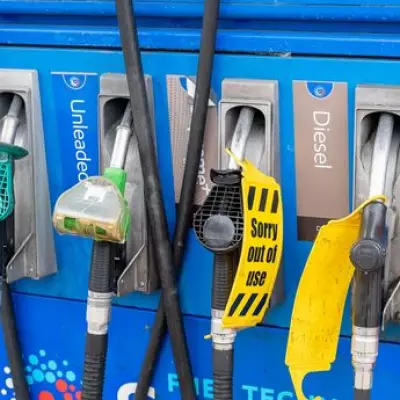
Since Saturday, 28 February, when the United States initiated strikes against Iran, petrol and diesel prices have surged by between 6.12p and 12.74p per litre. On average, drivers can now expect to pay 138.96p per litre for unleaded petrol and 155.12p per litre for diesel. This translates to an additional expense of up to £6.67 to fill a standard 55-litre family diesel car in just over a week, with further price hikes anticipated in the near future.
Oil Price Surge Fuels the Rise
The spike in fuel prices is directly linked to a dramatic increase in oil costs, which heavily influence wholesale fuel pricing. Brent crude, the global benchmark for oil, surpassed $100 per barrel on Monday for the first time since 2022. Prior to the conflict, the rate was at a seven-month high of $73 per barrel, but it has since climbed to $91 as of Wednesday.

The escalation follows US and Israeli strikes on Iran in February, which prompted retaliatory attacks by Iran on targets in the United Arab Emirates, Qatar, Bahrain, Jordan, and Iraq. Ongoing airstrikes and regional instability have led Iran to threaten to "set fire" to any vessels attempting to navigate the Strait of Hormuz.
This strategic waterway is critical for the oil industry, as approximately 20% of the world's gas and oil shipments pass through it. The Iranian threat poses a significant risk to global trade, exacerbating market volatility and contributing to the oil price surge.
Expert Warnings and Advice
AA president Edmund King has advised UK motorists to consider reducing non-essential journeys and adjusting their driving habits to conserve fuel amid the rising costs. He emphasised that prolonged conflict will continue to impact oil prices, noting that any time Brent crude exceeds $100 per barrel, it raises concerns across markets, particularly for the haulage industry and drivers.
King cautioned that while pump prices will increase gradually, they should not spike overnight, as fuel has been purchased at previous rates. He recommended that drivers maintain their refuelling routines but explore ways to cut back on unnecessary travel.
Analysis from the Energy and Climate Intelligence Unit highlights the historical correlation between oil and fuel prices, indicating that oil at $100 per barrel typically results in petrol prices around 150p per litre, while $120 per barrel could push petrol to approximately 170p per litre.
Political and Economic Responses
RAC head of policy Simon Williams warned that average petrol and diesel prices have skyrocketed in the past week and are likely to continue rising, painting a bleak picture for UK drivers. He predicted that unleaded petrol will likely reach an average of 140p per litre soon, with diesel climbing to at least 160p per litre. Williams encouraged drivers to shop around for the best prices while continuing to fill up as usual.
Chancellor Rachel Reeves has stated she will not tolerate price gouging by forecourt operators, some of whom have been recorded charging as much as 180p per litre for petrol. She plans to meet with petrol retailers to address the escalating prices.
Additionally, some experts have called for the chancellor to cancel Labour's planned increase in fuel duty, which aims to reverse the 5p-per-litre cut introduced in March 2022 in response to the Ukraine war. Reeves announced this reversal in November's Budget, with incremental increases set for September, December, and March 2027. While she has rejected calls to scrap the plan so far, she has indicated that the policy is under review.
As the conflict persists, UK drivers are urged to stay informed and adapt to the evolving economic landscape, with fuel prices expected to remain volatile in the coming weeks.