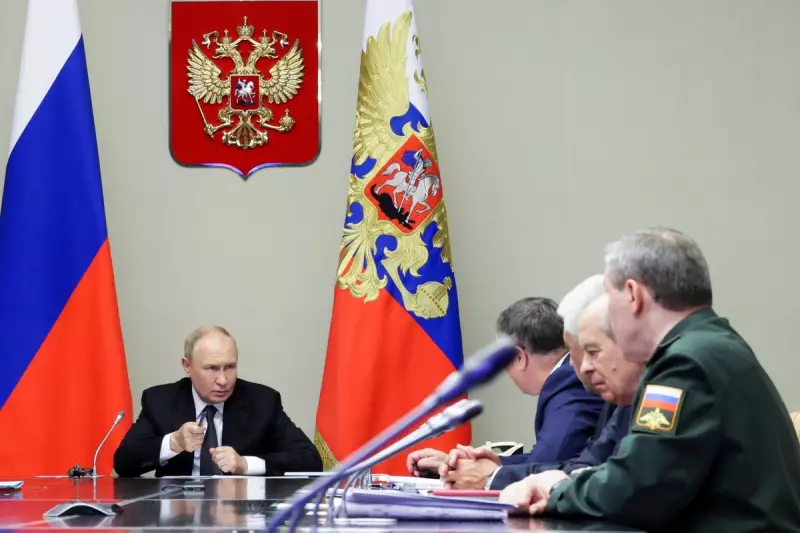
A deep and potentially disastrous split is emerging within the European Union over the fate of €210 billion in Russian state assets frozen since the 2022 invasion of Ukraine. With a critical EU summit underway, the bloc's once-solid unity on supporting Kyiv is cracking under the pressure of finding funds to keep the nation from economic collapse, potentially as early as February 2025.
The Growing Coalition of Objectors
While Hungary and Slovakia have long been sceptical of seizing Russian funds, their dissent is no longer isolated. Reports indicate that at least five other EU nations—Belgium, Italy, Malta, the Czech Republic, and Bulgaria—now oppose the move. France has also signalled serious misgivings about using the €18 billion in Russian assets frozen within its borders.
The core objection is not sympathy for Moscow but a profound fear of the legal and financial precedent. Critics argue that confiscating another sovereign state's deposits amounts to theft, jeopardising the fundamental principles of international finance. They warn it could destroy the EU's reputation as a safe guardian of capital and trigger a global free-for-all where no nation's overseas assets are secure.
Legal Quagmire and Financial Risk
The legal threat is stark. Russia has vowed to sue, and there is a credible risk it could win in international courts. This scenario would leave EU governments and their banks liable for the enormous bill. This risk is particularly acute for Belgium, where the financial clearing house Euroclear holds a staggering €150 billion of the frozen Russian assets.
"There is a view that Russia could sue in the courts – which it is threatening to do – and win, leaving the EU and its banks to pick up the enormous tab," a viewpoint captured in the debate highlights the precarious position. Belgium is consequently demanding all member states share the legal risk equally—a condition others are reluctant to accept.
From Reconstruction to Survival: The Shifting Use of Funds
The purpose of the potential asset seizure has evolved dramatically. Initially intended for post-war reconstruction, the funds are now seen as essential for immediate military aid and, critically, for keeping the Ukrainian state functioning. The proposal on the table suggests the money could pay soldiers, teachers, and doctors, and keep hospitals and power plants running for up to two more years.
With US support waning, the EU faces a brutal choice. Leaders like European Commission President Ursula von der Leyen and EU foreign policy chief Kaja Kallas have even suggested declaring an emergency to force the measure through, a move that itself highlights the legal and democratic dilemmas at play.
UK's Symbolic Gesture Amid Global Stakes
Although no longer an EU member, the UK is deeply implicated due to London's status as a global financial centre. While Prime Minister Keir Starmer has expressed willingness to use frozen Russian assets, the City's establishment is reportedly wary of the reputational damage.
In a telling move just hours before the EU summit, Foreign Secretary Yvette Cooper gave a series of interviews demanding former Chelsea FC owner Roman Abramovich transfer £2.5 billion from the club's forced sale to Ukraine within 90 days. Analysts see this as a largely symbolic gesture, potentially designed to deflect attention from the UK's broader hesitation on the larger pool of frozen Russian capital.
The outcome of the EU's internal struggle carries immense weight. It will determine Ukraine's immediate economic survival, test the EU's cohesion and commitment to the rule of law, and could escalate the financial war with Russia to a dangerous new level. The decision made in the coming days will resonate far beyond the summit room.