Oil Traders Placed Massive Bets Minutes Before Trump's Iran Talks Post
A significant surge in global betting on energy markets was recorded a mere 15 minutes before President Donald Trump announced on Truth Social that the United States and Iran had engaged in what he described as 'productive' talks. This unusual activity has ignited widespread claims of potential insider trading, with lawmakers and analysts scrutinising the timing and scale of the transactions.
Timing and Scale of the Trading Activity
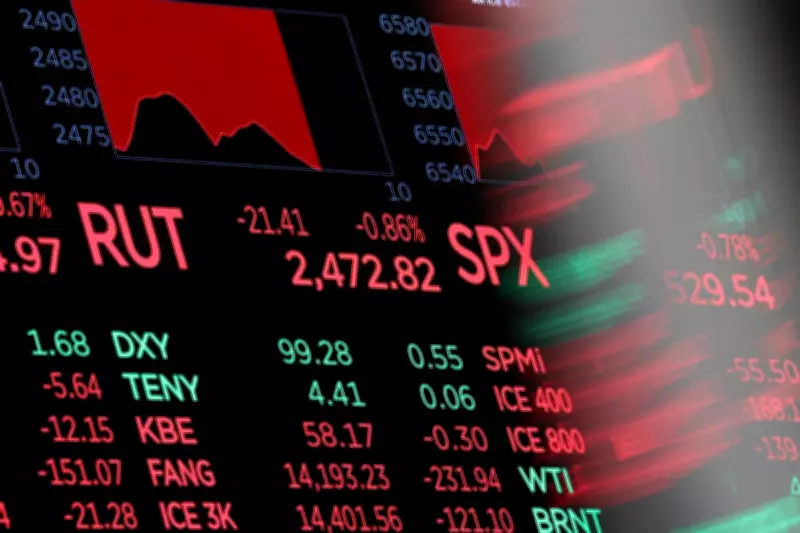
Between 6.49 a.m. and 6.51 a.m. on Monday, at least 6 million barrels of Brent and West Texas Intermediate oil were sold in a rapid and coordinated manner. This was accompanied by notable upticks in trading across other international markets, suggesting a premeditated move based on non-public information. The precision of the timing, just minutes before Trump's post, has raised red flags about the integrity of financial operations surrounding high-stakes political announcements.
Political and Market Reactions
Connecticut Democratic Senator Chris Murphy brought attention to specific transactions, including a $1.5 billion bet on S&P 500 futures and a $192 million sale of oil futures that occurred a mere five minutes prior to Trump's announcement. Murphy has publicly questioned the identity of the traders involved, emphasising the need for transparency and accountability in such cases to prevent market manipulation.

In response, Iran swiftly denied that any talks had taken place, with parliamentary speaker Mohammad Bagher Ghalibaf labelling Trump's announcement as 'fake news' designed to manipulate financial and oil markets. This denial adds a layer of complexity to the situation, as it challenges the veracity of the information that may have prompted the trading surge.
White House Denials and Historical Context
The White House has firmly denied any involvement in profiteering, stating that it does not tolerate officials illegally profiting from insider knowledge. However, this incident is not isolated; previous instances of suspicious betting on political events have been reported, highlighting ongoing concerns about the intersection of politics and financial markets. The recurrence of such patterns underscores the need for robust regulatory frameworks to safeguard against insider trading and ensure fair market practices.
As investigations continue, the focus remains on uncovering the identities of the traders and determining whether insider information was exploited for financial gain. The implications of this event extend beyond immediate market fluctuations, touching on broader issues of trust and ethics in global financial systems.