Bank of England Holds Interest Rates Steady at 3.75%
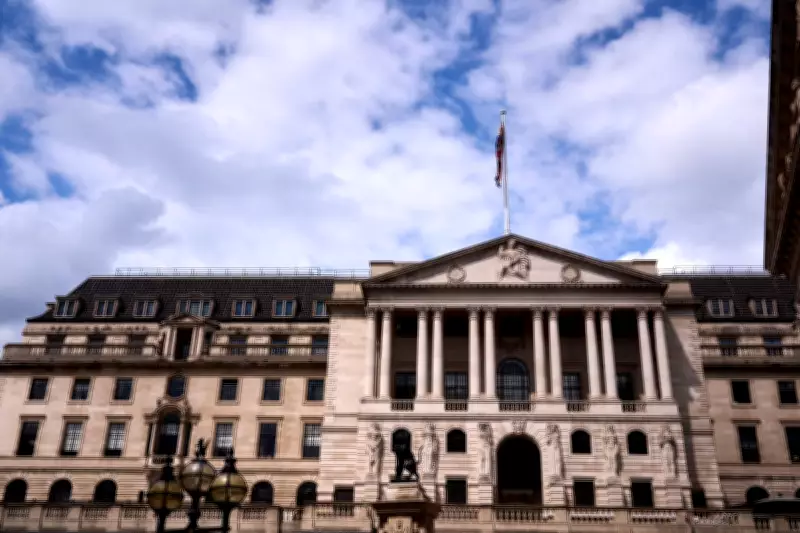
The Bank of England has decided to maintain the UK interest rate at 3.75%, following a unanimous vote by all nine members of its Monetary Policy Committee on Thursday, 19 March 2026. This marks the first time since September 2021 that every committee member has agreed on the decision, highlighting the significant economic pressures at play.
Inflation Forecasts Revised Upwards Due to Middle East Conflict
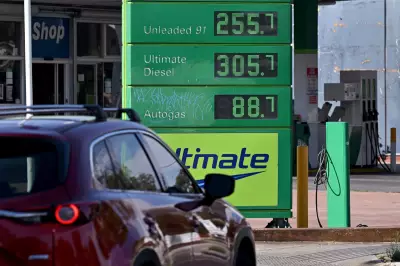
Policymakers have raised their forecasts for UK inflation, attributing the increase to the ongoing war in the Middle East, which is driving up global energy prices. Governor Andrew Bailey emphasised the direct impact on consumers, stating that higher costs are already visible at petrol pumps and could lead to increased household energy bills later in the year if the conflict persists.
Bailey asserted that the Bank is closely monitoring the situation and stands ready to act to ensure inflation returns to the 2% target level. He highlighted the importance of addressing the issue at its source by reopening energy supply lines to mitigate further economic disruption.

Delayed Return to Target Inflation
Previously, the Consumer Prices Index (CPI) inflation had fallen to 3% in January, with February forecasts predicting a drop towards 2% from April, largely due to government efforts to reduce household energy bills. However, the MPC now warns that recent spikes in wholesale energy costs will delay this return to target inflation.
The committee expects inflation to remain around 3% in the second quarter of 2026, up from the 2.1% forecast in February. This adjustment reflects the immediate effects of higher fuel prices resulting from the geopolitical tensions.
Potential Impact on Energy Price Cap and Consumer Costs
Higher wholesale gas prices could lead to an increase in the Ofgem energy price cap from July, potentially adding approximately 0.75 percentage points to inflation over the third quarter. Combined with businesses likely passing on elevated energy expenses to consumers, the MPC projects that CPI inflation could rise to as high as 3.5% in the third quarter, a significant jump from the previous 2% forecast.
This scenario underscores the broader economic risks posed by the Middle East conflict, with the Bank of England poised to implement further measures if necessary to stabilise the UK economy and control inflationary pressures.