Bank of England Maintains Interest Rates at 3.75% Amid Iran War Inflation Concerns
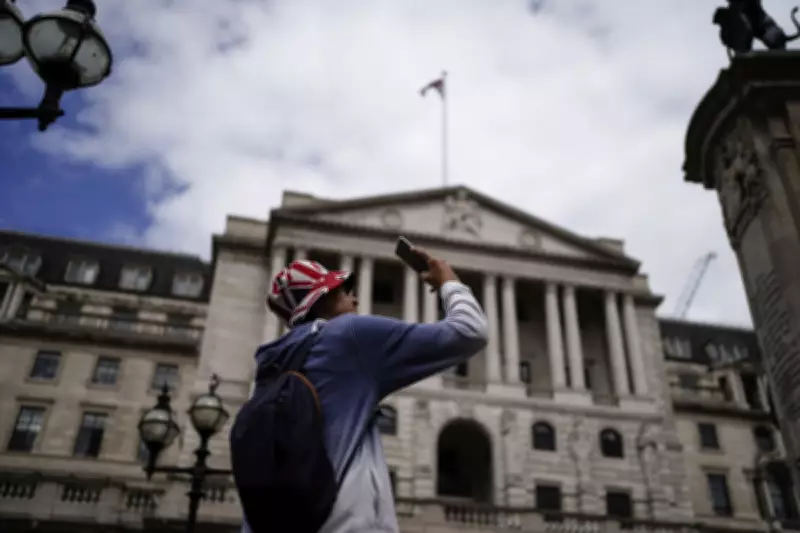
The Bank of England has opted to hold interest rates steady at 3.75 per cent, a decision driven by fears that the ongoing conflict in Iran could trigger inflationary pressures. This move, made unanimously by the Monetary Policy Committee, marks a departure from earlier City expectations that rates would be cut, given that inflation had been under control and unemployment was on the rise.
Impact of Iran Conflict on Energy Prices
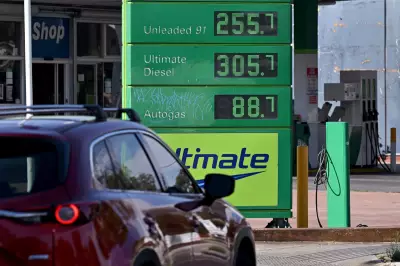
The war in Iran has led to significant disruptions in global energy markets, causing a sharp spike in oil and gas prices. In response, the Bank of England has adopted a cautious 'wait-and-see' approach, aiming to prevent inflation from escalating further. This strategy reflects concerns that higher energy costs could feed into broader price increases across the economy.
Contrast with Market Expectations
Prior to the announcement, many City analysts had anticipated interest rate reductions, citing controlled inflation and rising unemployment as factors that might prompt a cut. However, the Bank's decision to maintain rates highlights the heightened uncertainty surrounding the Iran conflict and its potential to destabilise economic conditions.

Future Outlook for Interest Rates
Despite the current hold, City analysts still predict that interest rate cuts are likely later in the year, possibly occurring two or three times. These reductions are expected only once the Iranian conflict subsides and energy prices stabilise, allowing the Bank to reassess inflationary risks more confidently.
Consequences for Consumers and Investors
The decision to keep rates unchanged is set to have immediate effects on consumers, particularly those with mortgages, as it may delay the availability of more affordable mortgage rates. Additionally, domestic investor spending could be impacted, as higher borrowing costs might discourage investment in the short term.
In summary, the Bank of England's cautious stance underscores the complex interplay between geopolitical events and economic policy, with the Iran conflict serving as a key driver in current monetary decisions.