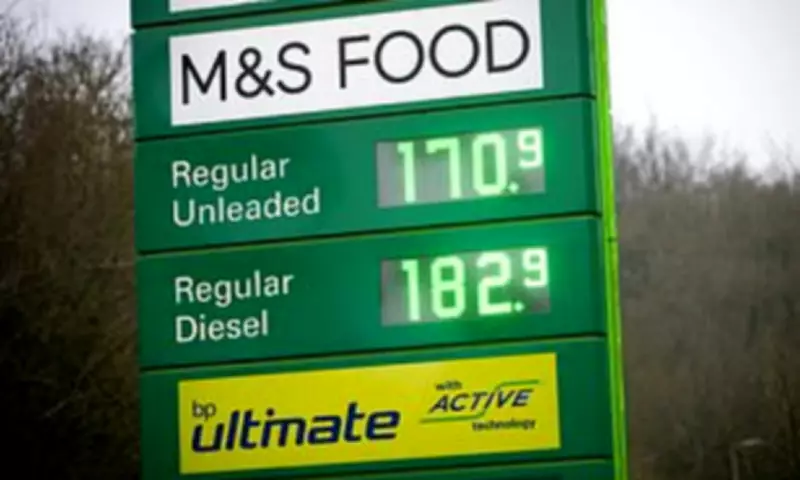
The Institute for Public Policy Research (IPPR), an influential Left-wing think-tank, has recommended that the Labour Party cut fuel duty by 10 pence per litre and reduce motorway speed limits to 60 miles per hour to prevent economic damage from the conflict with Iran. The IPPR also proposed capping typical energy bills at £2,000, funded by tax increases on energy firms, banks, and private air travel.
Fuel duty hike plans under scrutiny
The intervention on fuel duty is particularly significant as Chancellor Rachel Reeves is currently planning to increase the tax by 5 pence per litre later this year. Despite calls from opposition parties and industry to abandon the hike amid soaring oil prices, Reeves has resisted. The IPPR report adds pressure from the Left to ease the fuel duty burden.
Economic risks of Middle East stalemate
The think-tank found that without these measures, a prolonged stalemate in the Middle East could drive inflation to nearly 6 per cent and slow growth to 0.3 per cent. This would lead to higher borrowing costs and lower tax revenues, costing the Treasury £8 billion annually. The IPPR argues that its proposed measures, costing up to £5 billion a year, would effectively pay for themselves by preventing these outcomes.

William Ellis, senior economist at the IPPR, stated: 'The UK cannot afford to sit back and let another energy shock drive up inflation and damage the economy.'
Proposed timeline and impact
The think-tank suggested implementing the fuel duty cut and energy price cap from the start of July to the first quarter of next year. This could reduce inflation by two percentage points compared to what it would otherwise be, removing pressure on the Bank of England to raise interest rates aggressively. The Bank of England recently warned that interest rates might need to increase up to six times to 5.25 per cent if oil prices stay above $120 for an extended period due to a Middle East crisis.