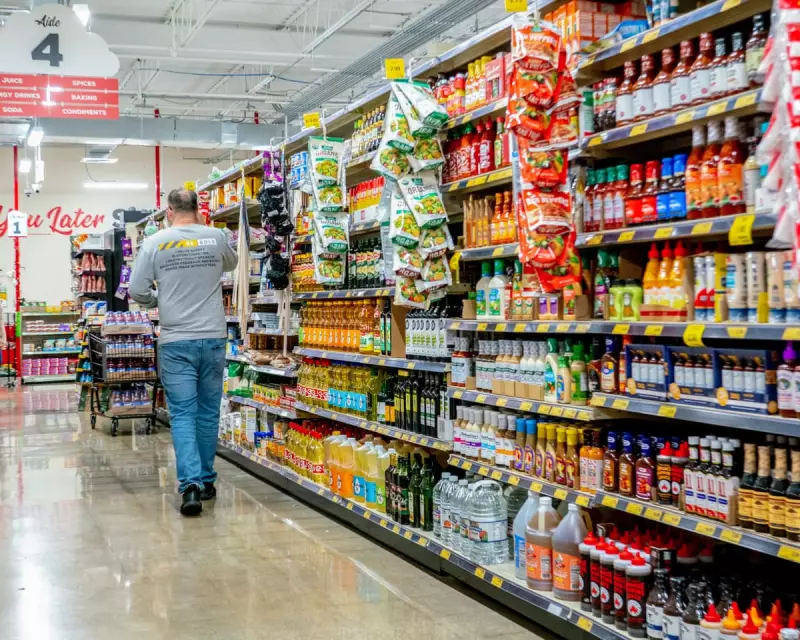
Inflation in the United States held firm in December, maintaining pressure on President Donald Trump over the rising cost of living for American households. The latest official data shows the consumer price index (CPI) rose by 2.7% in the year to December, matching the rate recorded in November.
Inflation Data Defies Expectations
The December figure, published on Tuesday morning, came in slightly ahead of the 2.6% forecast by economists. It remains notably above the Federal Reserve's long-term target of 2%. On a monthly basis, the CPI increased by 0.3% in December. The core inflation index, which excludes the more volatile costs of food and energy, rose by a more modest 0.2%.
This persistent inflation presents a significant political challenge for the Trump administration, which has repeatedly claimed prices are falling. The White House has sought to blame the lingering price pressures on the previous Biden administration, which left office nearly a year ago. However, recent polling indicates the public is increasingly holding the current president responsible for financial strains.

Political Fallout and Public Sentiment
A Harris Poll conducted for the Guardian last month revealed that twice as many Americans believe their financial security is deteriorating rather than improving. This growing public discontent comes as President Trump prepared to deliver a major speech on the economy in Detroit later on Tuesday.
In a bid to address affordability concerns, the president has recently announced a series of headline-grabbing policy measures. These include proposals for a cap on credit card interest rates and a ban on large institutional investors purchasing single-family homes.
A Battle for Control of the Federal Reserve
The inflation report lands amid an extraordinary confrontation over the independence of the US Federal Reserve. The central bank, which is tasked with steering the economy, cut interest rates three times last year. However, it resisted President Trump's calls for more aggressive cuts, drawing intense criticism from the Oval Office.
The conflict escalated over the weekend when Federal Reserve Chair Jerome Powell revealed that the Department of Justice had served the Fed with grand jury subpoenas on Friday. This move, which threatens a potential criminal indictment, has stoked serious fears about the Trump administration's attempts to exert control over the traditionally independent central bank.
The current inflationary period follows a peak of 9.1% in June 2022, a four-decade high driven by global economic distortions in the wake of the Covid-19 pandemic. While inflation has cooled significantly since then, December's firm reading suggests the path back to the Fed's 2% target may be slower than many hoped, ensuring the cost of living will remain a central political issue.