

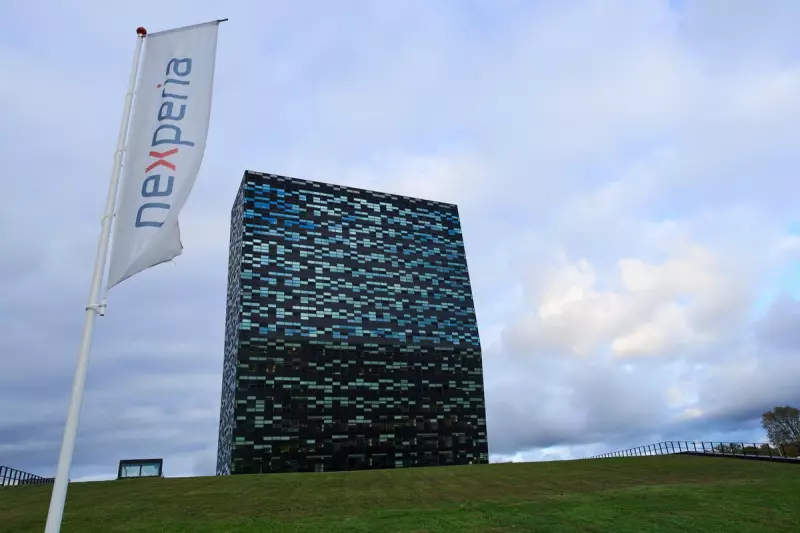
A high-stakes legal battle over the future of a critical semiconductor firm unfolded in an Amsterdam courtroom this week, with ramifications still being felt by car manufacturers worldwide.
Courtroom Clash Over Corporate Control
On Wednesday 14 January 2026, lawyers for Dutch-based chipmaker Nexperia and its Chinese parent company, Wingtech, presented opposing arguments before a panel of three judges at the Amsterdam Court of Appeal. The hearing at the court's enterprise chamber was convened to decide whether to launch a formal investigation into claims of corporate mismanagement at Nexperia. No immediate ruling was issued.
The legal confrontation is the latest chapter in a public power struggle that began in October, when the Dutch government revealed it had seized control of Nexperia in late September, citing national security concerns. This move led to the replacement of Nexperia's Chinese CEO, Zhang Xuezheng, who is also the founder of Wingtech. Authorities acted over fears of mismanagement and the potential transfer of intellectual property.

Representatives for Mr. Zhang and Wingtech portrayed him as a capable leader navigating complex geopolitical tensions and argued the Dutch government's intervention was unexpected. Zhang was not present in court for the proceedings.
Global Supply Chain Shockwaves
The fallout from the dispute quickly escalated into a global crisis. In October, Beijing temporarily blocked exports of Nexperia chips from its Chinese plant, sending major carmakers in North America, Japan, and South Korea scrambling for alternatives. Analysts confirmed Nexperia's components are widely used across the automotive sector.
The export ban was lifted after a meeting between U.S. President Donald Trump and Chinese leader Xi Jinping in late October. Subsequently, the Dutch government relinquished its control of Nexperia in November as a “show of goodwill.”
However, internal strife continued. Nexperia's Chinese unit accused its Dutch headquarters of halting wafer shipments, crippling core production. The headquarters countered, stating the Chinese arm had ignored direct instructions. This standoff prolonged severe chip supply chain disruptions, forcing manufacturers like Honda to halt some production lines and compelling others, including Mercedes-Benz, to urgently seek new suppliers.
Ongoing Tensions and Historical Context
The dispute has drawn in national governments. In late December, China's Ministry of Commerce demanded the Netherlands “correct its mistakes”, blaming Dutch actions for causing the global chip supply crisis.
Nexperia, originally spun off from Philips Semiconductors two decades ago, was purchased by Wingtech in 2018. The company has previously faced regulatory hurdles on national security grounds, notably in 2023 when the British government blocked its bid to acquire Wales-based Newport Wafer Fab.
The outcome of the Dutch court's decision on a potential mismanagement probe will be closely watched by an auto industry still vulnerable to semiconductor supply shocks, underscoring the fragile intersection of global commerce, technology, and geopolitics.






