

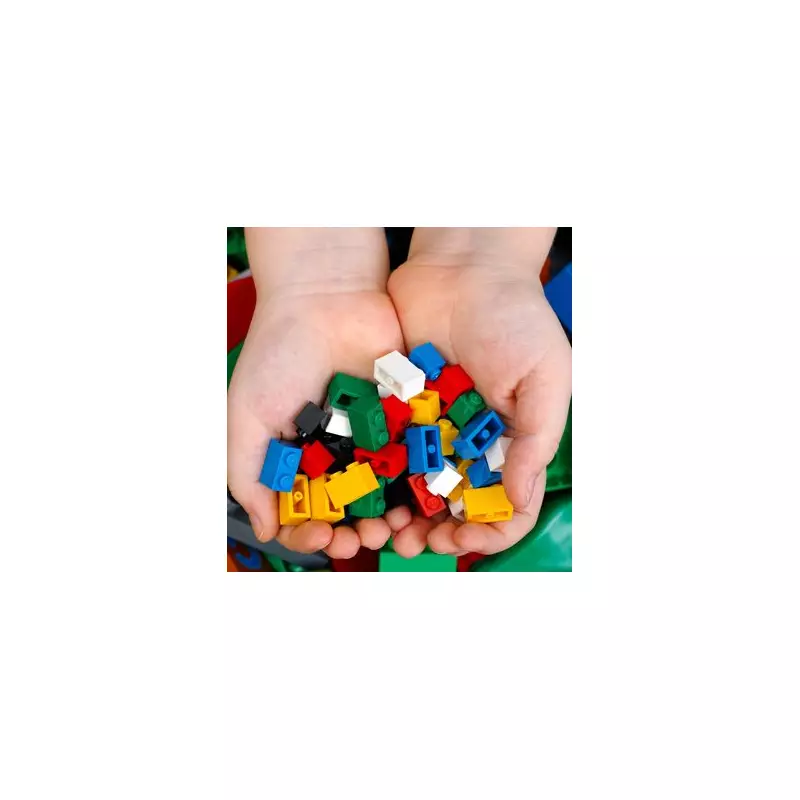
Generations of children and adults have cherished LEGO bricks, but the remarkable story behind the iconic name is only now capturing widespread attention. As the world celebrates International LEGO Day on January 28th, the fascinating linguistic origins and historical journey of this beloved toy brand are coming to light.
The Danish Roots of a Global Phenomenon
The LEGO story begins in 1932 when Danish carpenter Ole Kirk Kristiansen established his business in a humble woodworking workshop in Billund. Initially producing wooden toy bricks, Kristiansen devised the name "LEGO" four years later in 1936, drawing inspiration from his native language.
The name derives from the Danish phrase "Leg Godt," which directly translates to "Play Well" in English. According to company records, Ole Kirk Kristiansen selected this moniker for his venture, completely unaware that the term coincidentally means "I put together" in Latin.

A Name With Multiple Layers of Meaning
The company has revealed that Kristiansen considered alternative names including "Legio" (meaning legions), but ultimately chose the name that embodied his philosophy of high-quality play and commitment to children's development through creative activities.
This linguistic coincidence between the Danish and Latin meanings has delighted fans who are only just discovering the dual significance. As one enthusiast recently noted online: "TIL that the name of the company LEGO comes from the Danish phrase 'leg godt', which means 'play well'. Interestingly, the Latin word 'lego' means 'I put together', but this is just a coincidence."
From Wooden Workshop to Plastic Revolution
The LEGO journey faced significant challenges that ultimately shaped its destiny. A devastating fire at the woodworking premises in 1942 forced a major transformation for the business. Ole proceeded to purchase a plastic injection moulding machine from the United Kingdom, and three years later convinced his son Godtfred that plastic represented the future of toy manufacturing.
The company introduced "automatic binding bricks," which were later rebranded as "Lego Mursten" or "Lego Bricks" in English, with each brick bearing the stamped name. However, another catastrophic blaze in 1960 destroyed LEGO's wooden toy warehouse entirely, prompting the firm to commit exclusively to plastic for its brick production.
A Family Legacy and Global Success
The business transferred from father to son, remaining under family control through grandson Kjeld Kirk Kristiansen. The pivotal moment in LEGO history occurred on January 28, 1958, when Danish carpenter Godtfred Kirk Christiansen filed his patent application for the original brick design that would become iconic worldwide.
Today, LEGO stands as one of Europe's most formidable companies and holds the distinguished title of the world's largest toy manufacturer by sales. By July 2015, an astonishing 600 billion LEGO components had been manufactured, testament to the enduring appeal of these interlocking bricks.
The Enduring Legacy of Play Well
International LEGO Day commemorates not just a patent filing, but the philosophy embedded in the company's very name. From modest wooden beginnings to global plastic dominance, the LEGO story represents innovation, resilience, and an unwavering commitment to the power of play.
The brand continues to dominate sales charts worldwide, whether as birthday surprises, festive treats, or creative outlets for all ages. The secret meaning behind its name – "play well" – has guided nearly a century of development, proving that sometimes the most profound truths are hidden in plain sight, waiting to be discovered by new generations of enthusiasts.






