Blakeney's Housing Crisis: A Village Transformed by Tourism
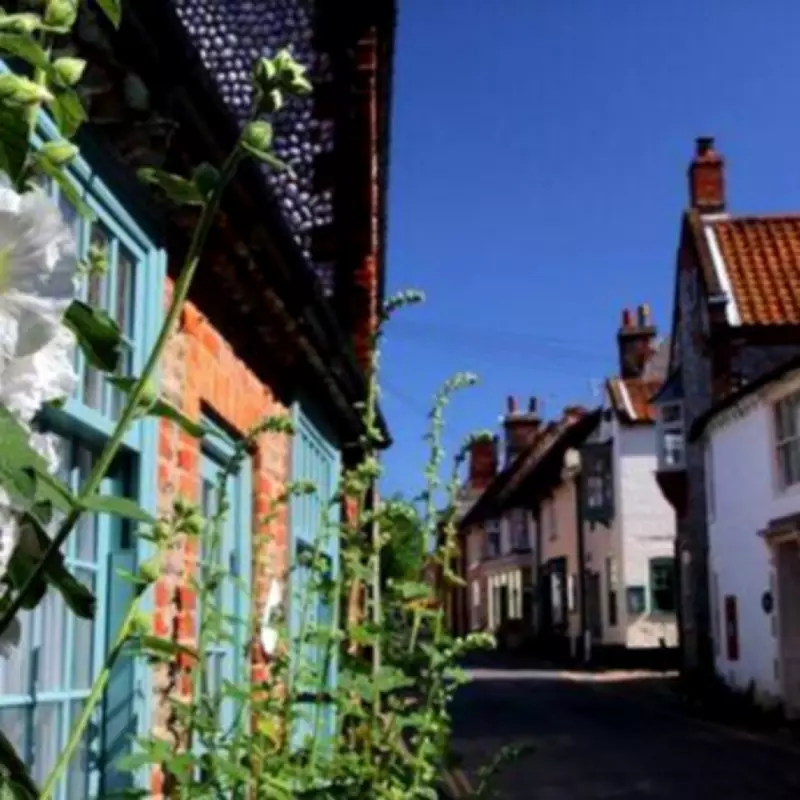
The charming coastal village of Blakeney in North Norfolk, renowned for its stunning natural beauty and historic stone dwellings, is grappling with a profound social and economic dilemma. What was once a thriving fishing community has been dramatically reshaped by tourism, leading to a situation where approximately half of all properties are now second homes. This transformation has created a stark divide between the bustling summer months and the quiet winter season, fundamentally altering the village's character and accessibility for local residents.
A Tale of Two Seasons: Summer Bustle vs Winter Silence
During the peak summer period, Blakeney becomes exceptionally hectic, attracting massive crowds drawn to its Area of Outstanding Natural Beauty, celebrated seal colonies, and acclaimed hospitality venues like the Manor Coastal Hotel and Inn. The village's two pubs and three hotels operate at maximum occupancy, with traffic congestion becoming a significant issue in the narrow lanes. However, the winter paints a completely different picture. Visitor numbers plummet drastically, and many of the old fishing properties stand empty, leaving streets dark and quiet as lights remain off in unoccupied dwellings.
The River Glaven, which winds through the National Nature Reserve just a stone's throw from the celebrated hotel, reflects the village's dual identity. While the natural beauty remains constant throughout the year, the human presence fluctuates dramatically between seasons. Blakeney Point has earned particular fame for its seal communities, with Beans Boat offering guided trips that continue to draw visitors even during quieter months.

The Stark Financial Reality Facing Local Residents
The statistics reveal a troubling economic disparity that makes village life increasingly unattainable for those born and bred in the area. According to recent market data, Blakeney properties fetched an average price of £714,000 in November 2025 – approximately treble the UK national average of £273,000. Meanwhile, Office for National Statistics figures show the median weekly wage in North Norfolk sits at just £571, creating an almost insurmountable gap between local earnings and housing costs.
This financial reality has forced many long-term residents to make difficult choices. As one local resident explained, "A lot of my friends who were born and bred here couldn't live here due to housing problems, so they moved away to somewhere cheaper." The situation represents a significant demographic shift for a community that values its traditional character and close-knit social fabric.
Community Responses and Housing Solutions
In response to the growing crisis, local authorities have implemented measures aimed at addressing the imbalance. North Norfolk District Council recently unveiled an additional 100% levy on Council Tax bills for second home owners, leaseholders, or tenants in the area, effectively doubling what they must pay for their extra properties. This policy represents a direct attempt to mitigate the financial pressures created by the proliferation of holiday homes.
Simultaneously, community-led initiatives have emerged to provide alternative housing solutions for local residents. The Blakeney Neighbourhood Housing Society, founded in 1946, represents one such effort to maintain community continuity. The society currently owns 39 houses and cottages in Blakeney or neighbouring villages, all let at affordable rents to tenants with local birth ties. As their website explains, "The price of housing has risen steeply as many properties have become second homes or places to retire to, and many local people can no longer afford to buy or rent them."
For residents like Tore, who returned to the area after time abroad, such initiatives have proven transformative. "It has changed my whole life," she explained regarding her affordable rental arrangement through the housing society. "It means I can be around my whole family... I'd never want to be anywhere else but here." She pays just £478 monthly for her family home – a fraction of what market rates would demand.

Balancing Tourism Benefits with Community Sustainability
Local leaders acknowledge the complex relationship between tourism and community sustainability. Blakeney Parish Council chairman Rosemary Thew emphasized that recent measures aren't designed to discourage visitors, noting that tourism represents a "big part of the village economy." However, she conceded the abundance of second and holiday properties in the area posed a major worry for the community's long-term viability.
"The volume of second homes is very high, around half," Thew observed. "It's pushing prices up quite considerably. It means that, as far as locals are concerned, they can't afford to live here. It's a lovely place to live but you've got people [taking up dwellings] who are not key workers."
This tension between economic opportunity and community preservation reflects broader challenges facing many picturesque rural communities across the United Kingdom. As Blakeney continues to navigate its transformation from working fishing village to tourist destination, the search for balance between welcoming visitors and sustaining local life remains an ongoing challenge with significant implications for the village's future character and social composition.