Pennsylvania Couple's Dream Home Shattered by Shocking Basement Discovery
A Pennsylvania couple's idyllic vision of homeownership has been shattered by a disturbing discovery in their basement, leading to a protracted legal battle that has raised profound questions about property disclosure laws and psychological stigmas in real estate transactions.
The $500,000 Purchase That Became a Nightmare
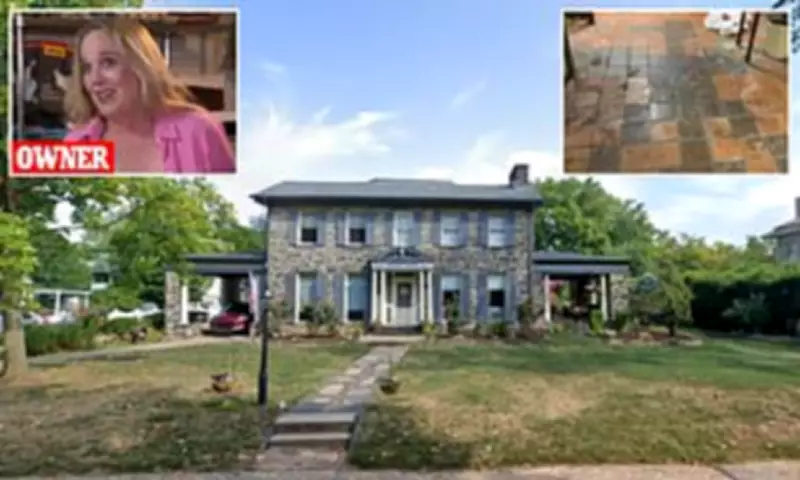
Daniel and Lynne Rae Wentworth purchased their five-bedroom property in the riverside borough of Beaver for $500,000 in 2023, initially enamored with its stone aesthetic and leafy neighbourhood surroundings. The couple bought the home from an 85-year-old German immigrant who had resided there for nearly five decades, believing they had found their perfect family residence.
However, soon after moving in, the Wentworths made a horrifying discovery in the basement: flooring tiles that unmistakably resembled a swastika and a Nazi eagle. The couple subsequently accused the former owner of deliberately covering these symbols with rugs during their initial tour of the property, leaving them feeling "mortified" by the designs they had unwittingly inherited.

A Legal Battle Over What Constitutes a "Material Defect"
The Wentworths' lawsuit has weaved through Pennsylvania's court system for more than two years, sparking significant debate about what truly represents a "material defect" in a home sale. In their complaint filed in Beaver County civil court, the couple alleged that the previous owner had violated the Pennsylvania Real Estate Seller Disclosure Law, asserting they would never have purchased the property had they known about the offensive tiling.
"This is just not something you'd ever expect to have to deal with," stated the couple's attorney, Daniel Stoner. "They could have actual economic harm from the potential reputational damage if people thought they put it in themselves or were aware of it." The attorney emphasised that his clients have been left heartbroken that their dream home has been ruined by what they consider an unacceptable eyesore.
The Seller's Defence and Historical Context
The German immigrant who previously owned the home pushed back vigorously in court, maintaining that he never lied about the presence of Nazi symbols and arguing they were not as offensive as the couple claimed. His attorney, Albert A. Torrence, contended that "purely psychological stigmas do not constitute material defects of property" and that his client had "no duty to disclose them."
Torrence revealed to the Philadelphia Inquirer that his client is not a Nazi supporter but admitted the homeowner did place the symbols in the property approximately forty years ago. According to the attorney's account, the owner was reading a book about how the swastika symbol had been co-opted by the Nazi Party and decided to include the emblem in a basement renovation project as a form of protest. He subsequently placed a rug over the symbol and reportedly forgot about it for decades.
"And of course it fits into the narrative, 'A Nazi lived in this house,'" Torrence remarked. "It's just not the narrative that people want it to be."
Legal Precedents and Judicial Rulings
Under Pennsylvania law, sellers are required to disclose a comprehensive list of potential property problems including structural issues, termite damage, or inadequate heating systems. However, hate symbols are conspicuously absent from this list, and the former owner maintained that the Nazi logos do not rise to the level of having an adverse impact on the property's market value.
The Beaver County Court initially dismissed the Wentworths' complaint, siding with arguments that a property's past history cannot legitimately impact its present value. When the couple appealed, the Pennsylvania Superior Court affirmed the initial ruling late last year, determining that the tiling was not required to be disclosed under existing state legislation.

In their written decision, the judges clarified: "A basement that floods, a roof that leaks, beams that were damaged by termites… these are the conditions our legislature requires sellers to disclose if they are known." They added: "We are not dismissive of the Wentworths' outrage, nor their concern that the existence of the images could taint them as Nazi supporters. With this lawsuit, however, they have made a public record to counter any supposition in that regard."
The Aftermath and Future Resolution
The couple's attorney confirmed they have decided against taking their case to the Pennsylvania Supreme Court, effectively ending their legal challenge. The Wentworths told the Pittsburgh Jewish Chronicle they plan to remove the offensive tiling once all legal matters have been fully resolved, though they estimate this will cost more than $30,000.
This extraordinary case highlights the complex intersection between property law, historical symbolism, and psychological impact in real estate transactions, raising questions about whether disclosure requirements should evolve to address non-structural defects that nevertheless cause significant distress to homeowners.