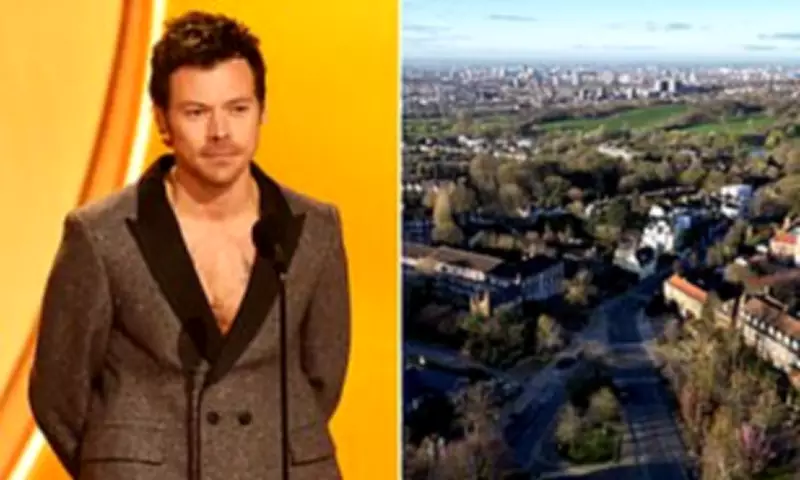
Renovation plans for Harry Styles' ambitious north London mega-mansion have encountered a significant and unexpected obstacle, with dangerous invasive weeds causing substantial delays to the building work. The global pop sensation, aged 32, is undertaking a major project to merge two historic Hampstead homes into a single, lavish residence, but the discovery of hazardous plant species has thrown the timeline into disarray.
Weed Discovery Halts Progress
The singer, who purchased one of the properties for £6.25 million in June 2024, had already commenced renovations aiming for completion by October 2027. However, experts identified four types of invasive weed at the site, which has remained vacant with an overgrown garden since acquisition. A new report details nearly 25 square metres of these problematic plants, known to cause structural damage to buildings, destroy gardens, release toxins, and even fatally poison animals.
Legislated Species Complicate Removal
The weeds identified include Buddleia, Horsetail, Montbretia, and Rhododendron ponticum. Critically, the latter two are legislated species under the Wildlife and Countryside Act, making their removal particularly complex and legally sensitive. The situation has escalated to the point where specialists must now excavate seven metres below the surface to eradicate the weeds and establish isolation zones, with disposal requiring specially licensed landfill facilities.

An Invasive Weeds Management Plan submitted to the council by Environment Controls firm outlines the severity: 'The vast majority of invasive weed's underground plant elements is present under and within 3m of the plants above ground visible growth area. However, some roots and seed banks can travel much further than this.' The seven-metre exclusion zone is deemed necessary to prevent encountering underground propagules during ground disturbance works.
Property Hazards and Legal Implications
Planting such weeds domestically or in the wild is illegal under the Wildlife and Countryside Act 1981, carrying potential fines and prison sentences. Each species presents distinct dangers: horsetail has been described by property websites as 'the deadly invasive plant that's currently infesting UK property and land' with toxicity lethal to livestock, while the Woodland Trust has warned that Rhododendron 'is destroying our native wildlife'.
Architectural Vision and Local Concerns
Styles' vision involves combining two properties to create a residence featuring four bedrooms, a gym, cinema, art gallery, and staff quarters, with an adjacent standalone pad converted into a guest house. All gardens and driveways will be amalgamated into one extensive compound. Although the plans faced some local objections regarding scale and light loss, these were dismissed by the planning officer.
The Hampstead location, renowned for its exclusivity and wildlife, presents additional considerations. Surveys detected a feral pigeons nest, bat emergence from buildings, and holes used by foxes and small mammals, requiring delicate covering. Should builders discover roosting bats, work must cease immediately, necessitating a bat licence application to Natural England from Styles.
This intricate combination of ecological hazards, legal protections for both weeds and wildlife, and complex removal procedures has substantially delayed what was anticipated as a two-year renovation project, leaving the pop star's dream of a Hampstead retreat in temporary limbo.